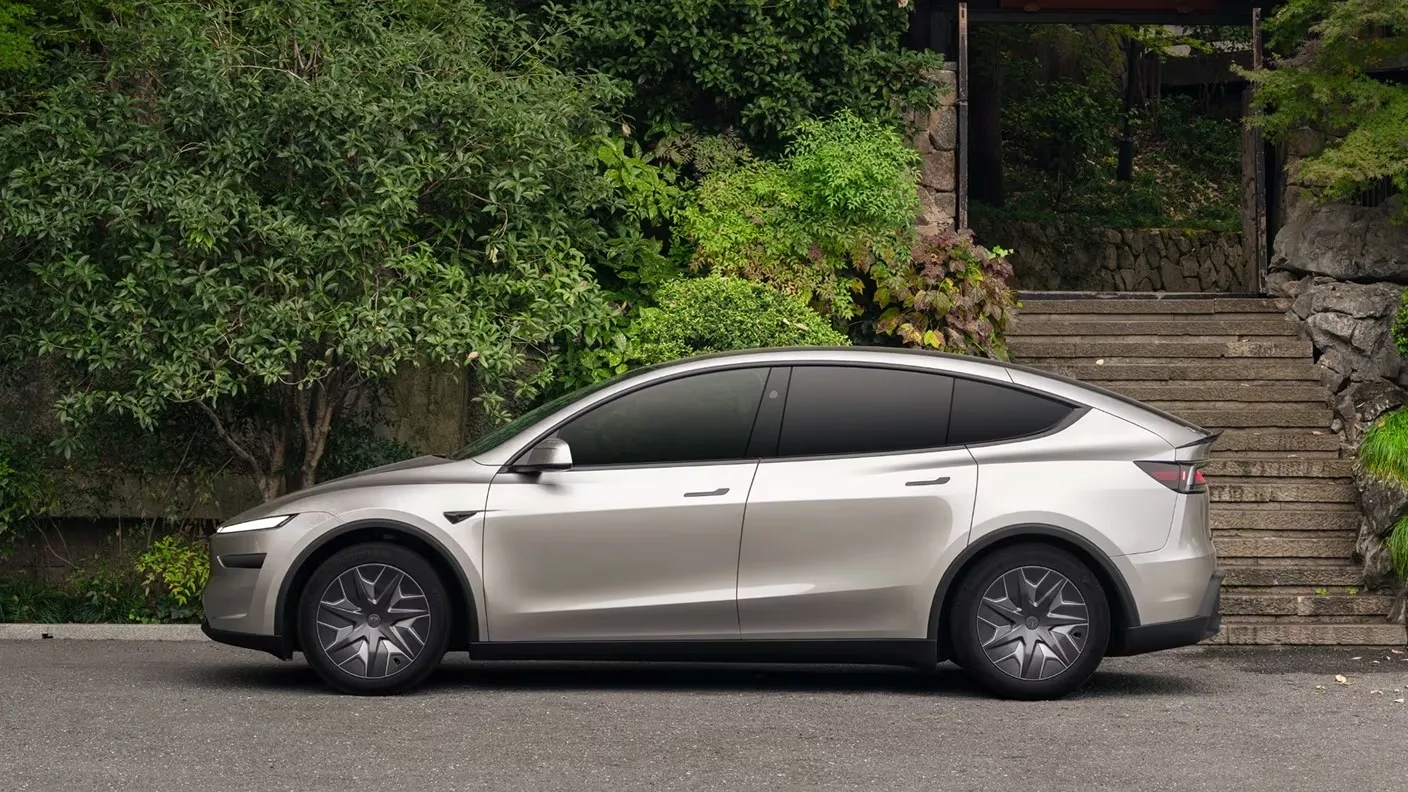
- XPeng reported 24,863 GX orders at launch but delivered only 270 GX units in May.
- Rival NIO’s ES9 delivered 3,108 units in its first month, underscoring GX’s softer start.
- XPeng’s recovery still relies on low-priced MONA M03, leaving premium upmarket progress uncertain.
XPeng delivered 32,158 vehicles in May, a 4% bump from April, according to CPCA data.
The MONA M03 carried the bulk of the volume with 14,160 deliveries. For the rest of the lineup, the P7+ brought in 3,677 units, while the G6 and P7 contributed 2,164 and 1,896 units respectively. The G7 saw 1,672 deliveries, the X9 came in at 1,557, and the G9 rounded out the month with 259 units.

The GX, whose deliveries began on May 25, recorded only 270 deliveries during the month.
Given that customer deliveries started less than one week before month-end, the figure does not fully reflect underlying demand. Even so, the initial delivery scale remains relatively modest.
The comparison becomes more striking when viewed against rival models.
NIO’s ES9, another flagship “9-series” SUV, launched on May 27, two days after the GX. Despite entering the market later, the ES9 delivered 3,108 units in May.
The two models followed broadly similar launch timelines. ES9 opened pre-sales on April 9; GX followed on April 15. Both spent roughly the same period between pre-sale launch and market introduction. Against that backdrop, GX’s initial delivery performance appears more subdued.
The gap has prompted renewed scrutiny of the order figures released before launch.

XPeng previously stated that GX secured 24,863 firm orders within 12 hours of launch. After deliveries began, the company said the first batch of vehicles had been prepared for nationwide shipment.
On June 3, XPeng Chairman He Xiaopeng said during a factory livestream that GX orders two weeks after launch had substantially exceeded internal expectations.
Across China’s EV industry, metrics such as firm orders, locked orders have become key indicators of launch momentum. Consumers, media outlets, investors frequently use those figures to gauge a vehicle’s market potential.
Yet order momentum does not always translate directly into sales.
May delivery data show a clear gap between GX’s reported demand, actual deliveries. Several factors could explain the discrepancy, including production ramp-up, supply-chain readiness, logistics capacity, delivery scheduling.
As a result, a single month of data remains insufficient to determine the model’s long-term market trajectory.
For investors, the key question now is whether GX can convert early enthusiasm into sustained monthly sales over the coming quarters.
XPeng has encountered a similar situation before.
The X9 MPV generated strong expectations ahead of launch in January 2024. One day before the official debut, XPeng announced pre-sale orders had exceeded 30K units.

He Xiaopeng later joked on social media that he was ready to “tighten screws at the factory” himself after receiving numerous customer requests for faster deliveries.
Public data, however, showed X9 delivered 7,872 units during its first three months on sale. Six-month cumulative deliveries reached 13,143 units.
The X9 eventually became one of China’s major premium electric MPVs. Even so, actual sales fell short of the blockbuster expectations created before launch.
For XPeng, GX carries significance far beyond a single product launch.
Over the past year, much of the company’s sales recovery has been driven by the MONA M03. The model has consistently contributed more than 40% of XPeng’s monthly deliveries, becoming the company’s core sales pillar.
Priced around RMB 120K ($17,400), the mass-market sedan helped return XPeng to a growth trajectory. It also created a new challenge.
As lower-priced models account for a larger share of sales, market perception of the brand has begun to shift. More consumers increasingly view XPeng as a value-focused automaker rather than the technology-led EV startup image it cultivated in earlier years.

Meanwhile, higher-priced products such as the P7, G7, G9, X9 have all struggled to match MONA M03’s commercial success.
First-quarter earnings reflected the pressure.
XPeng delivered 62,682 vehicles during the quarter, down 33.3% year-on-year, down 46.1% sequentially. Vehicle gross margin stood at 12.1%; overall gross margin reached 20.6%.
Despite a sharp decline in deliveries, margins remained relatively stable, suggesting improvements in cost control and product mix. Such margin resilience is not solely driven by per-vehicle manufacturing cost cuts; instead, its core pillar is revenue from technology research and development services provided to Volkswagen Group, which contributed RMB 2.03 billion ($294 million) in the first quarter, representing a 41.2% year-on-year increase.
Net loss, however, widened to RMB 1.78 billion ($258 million). Research and development spending climbed 46.8% year-on-year to RMB 2.91 billion ($422 million).
Whether GX can help XPeng reduce its dependence on entry-level volume products, establish a stronger foothold in the premium market remains uncertain.
The company’s latest financial results highlight the urgency. Rising losses, elevated R&D spending have increased pressure on XPeng’s push upmarket.
Discover more from ChinaEVHome
Subscribe to get the latest posts sent to your email.