Zeekr and Lynk & Co will each take full responsibility for vehicle R&D, while the Geely Group centralizes platform technology development to boost efficiency and shorten product cycles.
According to domestic media reports, Geely Group recently issued an internal notice announcing the establishment of the Zeekr Vehicle Institute and the Lynk & Co Vehicle Institute. This means that future model development for Zeekr and Lynk & Co will be handled by their respective institutes, further aligning R&D functions with each brand.
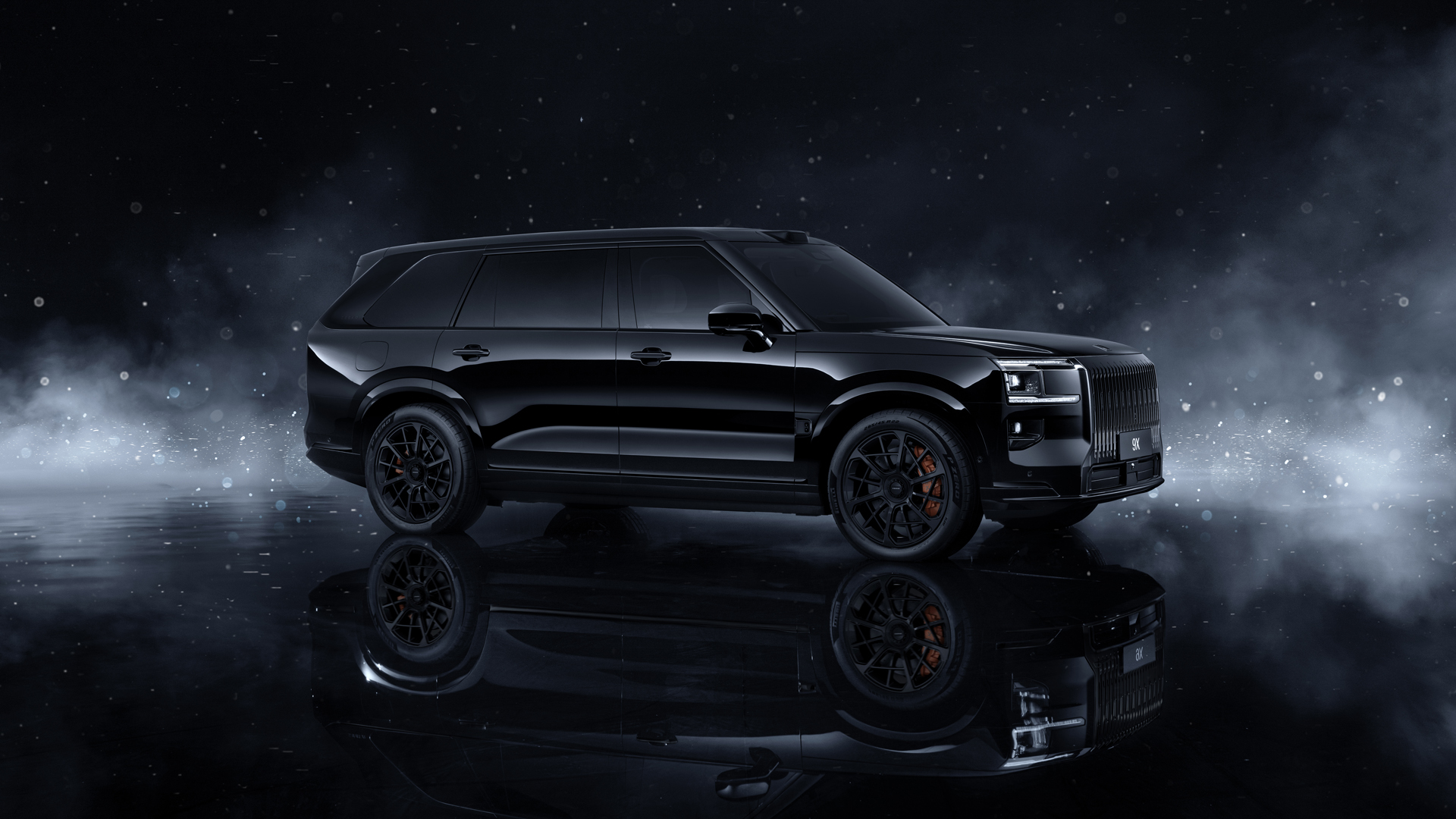
Public information shows that the Zeekr Vehicle Institute will oversee the Z, C, and M product lines, covering models such as the Zeekr 9X, MIX, and 007. The Lynk & Co Vehicle Institute will focus on the L and K product lines, covering models such as the Lynk & Co 900 and 08.

The Galaxy Vehicle Institute remains unchanged, continuing to cover Geely’s Geometry and Galaxy NEV brands.
Meanwhile, Geely’s Central Research Institute will continue to focus on platform architecture, intelligent cockpit, and other shared technologies, while ADAS development is handled by Qianli Technology. Centralizing these core R&D functions avoids duplicated investment and enables scaling of common modules.
For Zeekr and Lynk & Co, this could mean a faster product cadence. Zeekr has already launched new models such as the 9X this year, while Lynk & Co is rolling out updates for the 08 and 07 EM-P. Independent vehicle institutes will help each brand sharpen its design identity and shorten development cycles.

Geely’s recent “fast-follower” strategy has already shown results, with most recent launches positioned directly against popular models from BYD and other market leaders. To stay competitive, Geely must continue to roll out new products quickly and consistently.
The establishment of these two vehicle institutes marks further implementation of the “One Geely” strategy: the group focuses on core technologies, while brands concentrate on product definition and pace. This not only reduces resource waste but also accelerates time-to-market, keeping Geely competitive.

From January to the end of August, Geely Group delivered 1.897 million vehicles, raising its full-year target to 3 million units with a completion rate of 63.2%.
Whether Geely can achieve its goal of 5 million annual sales by 2027 will be the real test of the “One Geely” strategy — and will determine whether the group can continue to expand its market share in the next stage of competition.
Discover more from ChinaEVHome
Subscribe to get the latest posts sent to your email.