The new unit is an AI organization oriented toward “automotive plus robotics,” and will be structured around base models, infrastructure foundations, platformized delivery, and product and project quality.
On February 3, according to LatePost citing sources familiar with the matter, XPeng has merged its previously independent autonomous driving center and intelligent cockpit center into a newly established General Intelligence Center.
The new unit is led by former head of autonomous driving Liu Xianming and reports directly to chairman and CEO He Xiaopeng.
Sources said the General Intelligence Center is a new AI organization oriented toward “automotive plus robotics,” and will be structured around base models, infrastructure foundations, platformized delivery, and product and project quality, with multiple secondary teams organized around these core layers.

Under the previous structure, the intelligent cockpit and intelligent driving units operated as two separate first-level departments.
Several XPeng employees noted that the two R&D tracks were not fully aligned in terms of pace and objectives, and that over-the-air updates sometimes felt fragmented.
As AI technologies evolved rapidly, this separation increasingly struggled to meet the demands of an integrated vehicle intelligence experience.
With large-model capabilities maturing, the integration of cockpit and driving intelligence is becoming an industry-wide consensus, and similar organizational adjustments have already appeared at multiple companies.

Tesla has announced a $20 billion investment in Elon Musk’s AI company xAI and plans to halt production of the Model S and Model X, converting the lines to produce the humanoid robot Optimus.
Li Auto has also consolidated teams related to foundation models and, last week, placed both automotive and robotics projects under a unified “hardware body” organization.
In fact, even before the formal creation of the new department, XPeng had already integrated its internal AI and large-model R&D resources, laying the groundwork for the organizational shift.
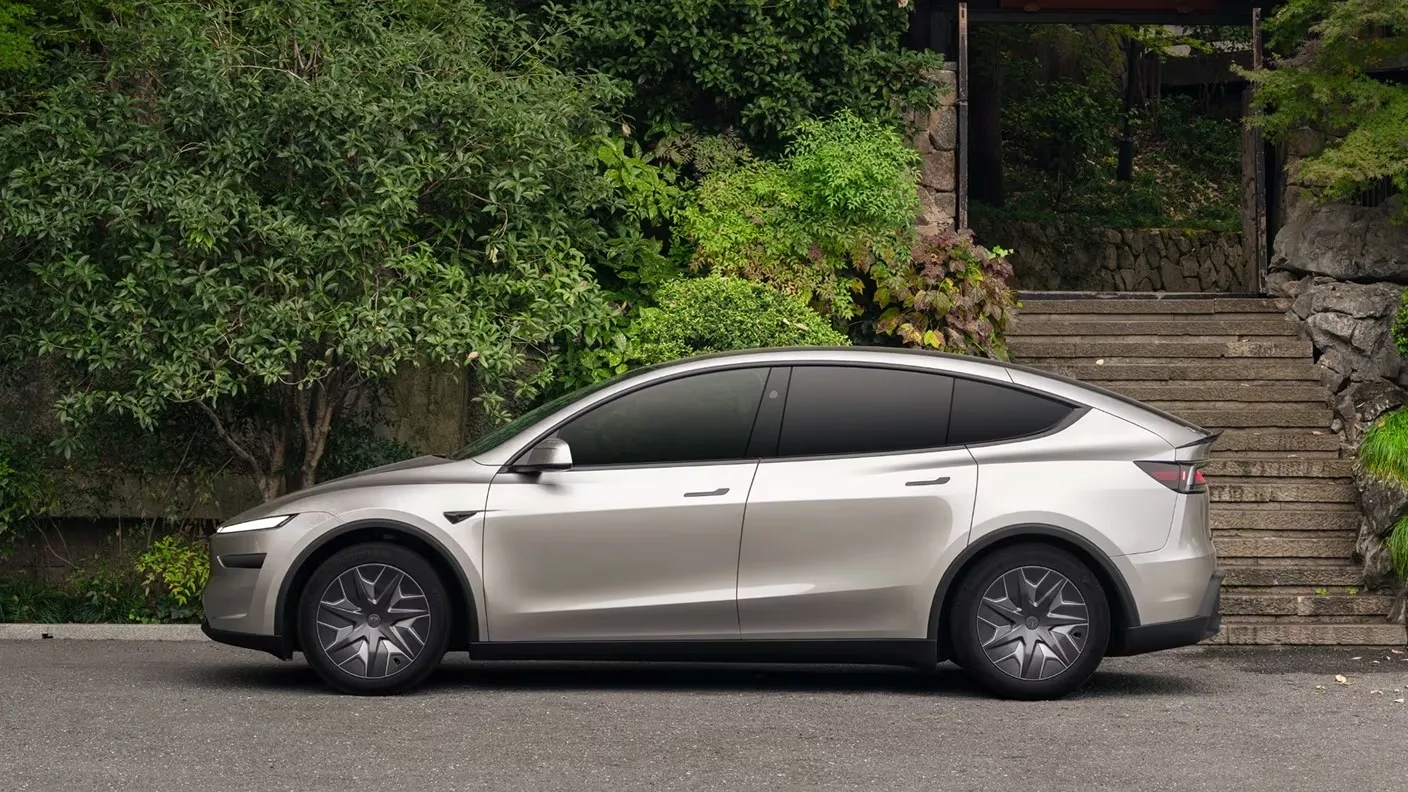
On January 8, XPeng unveiled four new models. The top-tier Ultra variants are equipped with three Turing chips, two dedicated to intelligent driving and one to the intelligent cockpit.
XPeng’s smart driving system uses its self-developed second-generation VLA vision–action large model, which is scheduled to be rolled out to users starting in March.

The model is designed to operate across domains, powering cars, robotaxis, robots and flying vehicles. The cockpit-side Turing chip is used to run a VLM large model.
He Xiaopeng has recently reiterated the company’s AI vehicle strategy, stating that cars and AI are entering an era of cross-domain integration, with intelligent cockpits and intelligent driving converging into a single “super intelligent agent.”
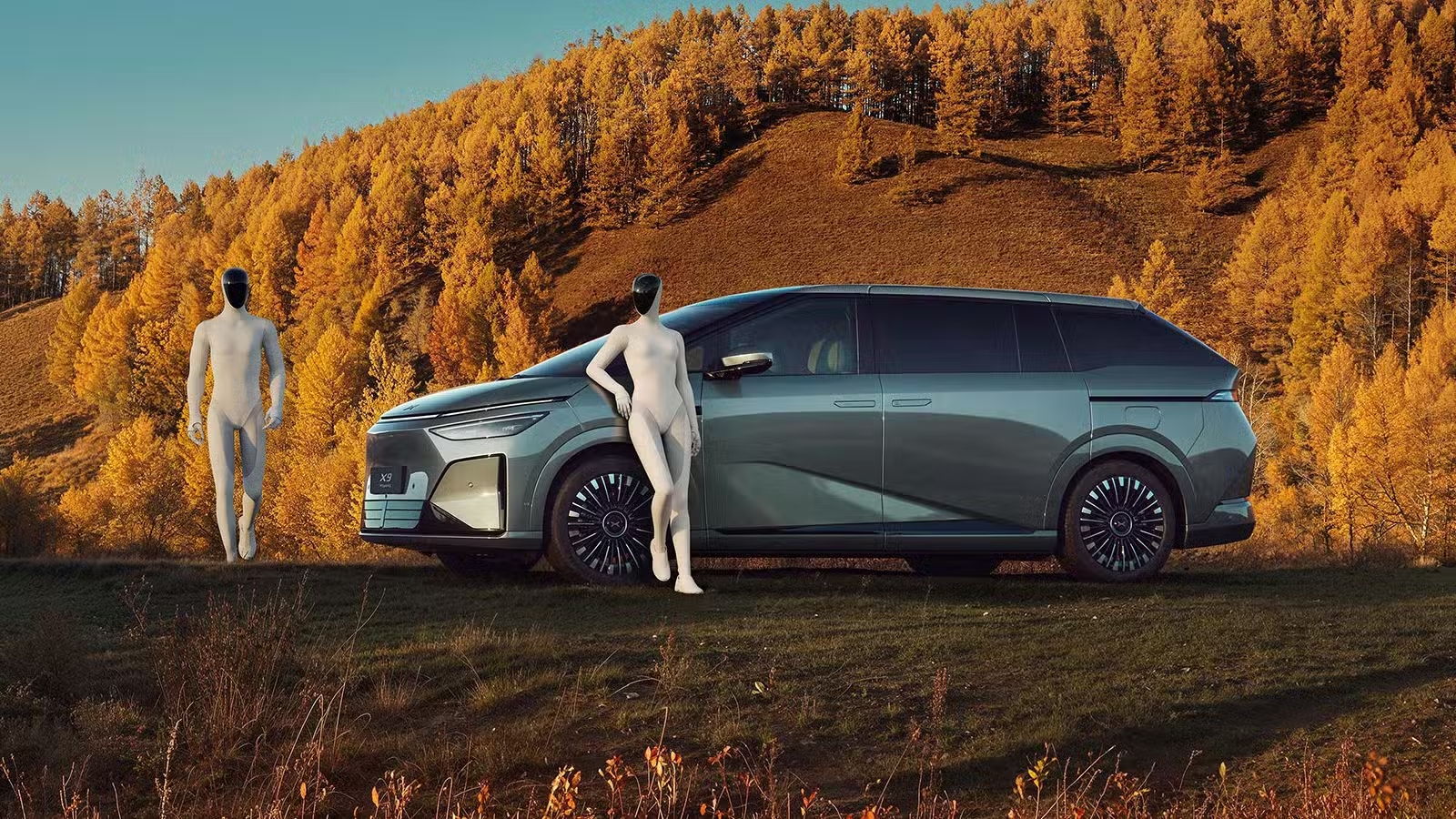
Under his vision, XPeng aims to use a unified AI technology stack to support different product forms, including vehicles, humanoid robots and flying cars, evolving into a global physical AI technology company.
XPeng delivered 429,000 vehicles last year, up 126% year-on-year, providing a practical foundation for this transformation.
Discover more from ChinaEVHome
Subscribe to get the latest posts sent to your email.