As price advantages narrow, Chinese brands holding 22% of Thailand’s market are shifting away from subsidy-driven competition.
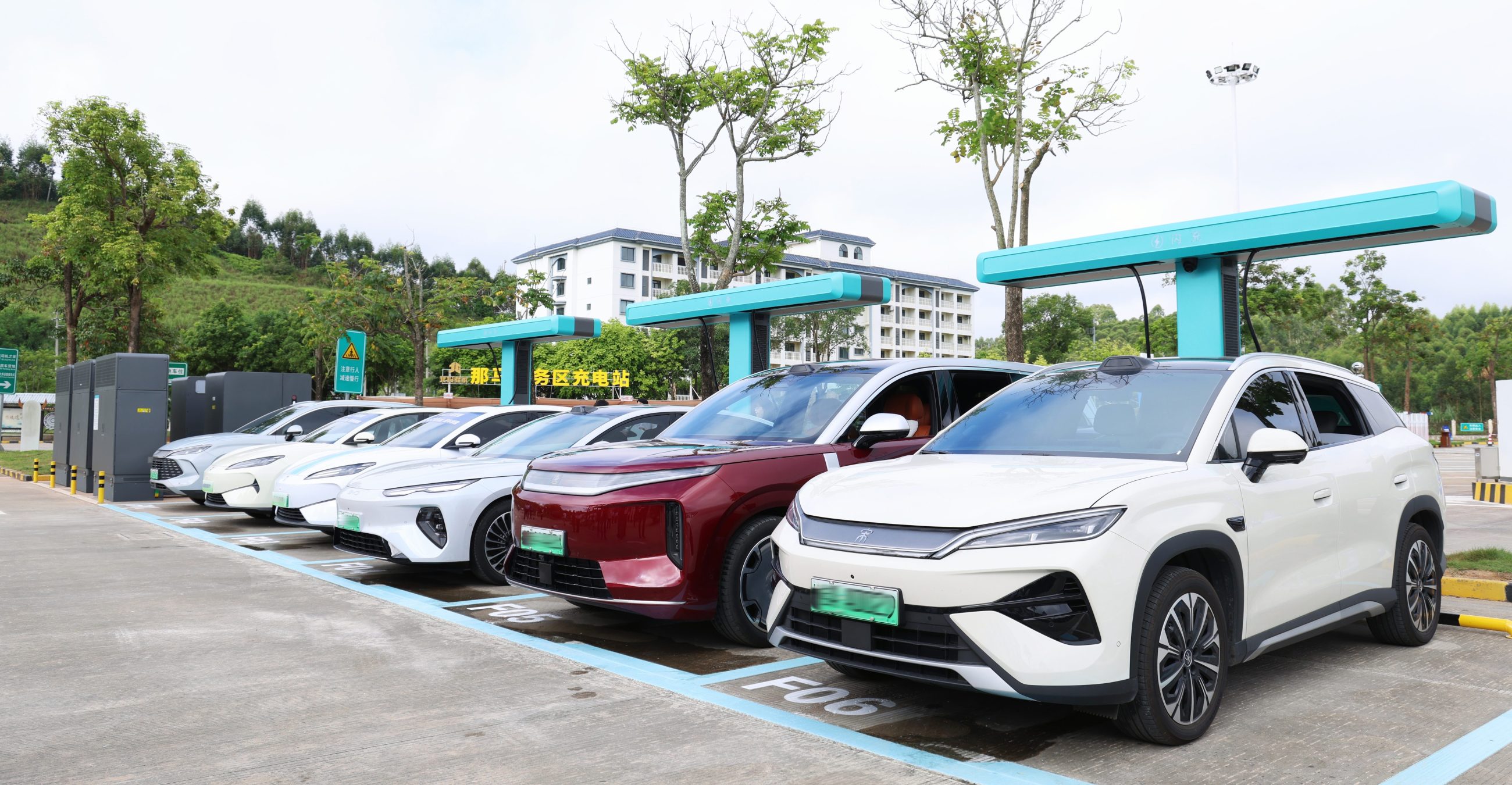
Several Chinese electric vehicle manufacturers have raised vehicle prices in Thailand, according to a report by Nikkei China on March 3.
BYD, which holds the largest market share among EV brands in Thailand, increased prices on certain models by more than 30%, marking its first price hike since entering the Thai market in 2022.
For example, the locally popular Dolphin standard version was priced at THB 599,900 ($16,800) as of February 24, representing a 33% increase from its lowest price in 2025.
The current Atto 3 model saw its price rise 21% to THB 849,900 ($23,800).

Sales staff at a BYD dealership on the outskirts of Bangkok said that following the price adjustment, some customers have adopted a wait-and-see approach, with reservations in early 2026 significantly lower than at the end of 2025.
The direct trigger for the price adjustments was the formal expiration of Thailand’s EV purchase subsidy at the end of 2025.
Previously, to attract investment and accelerate electrification, the Thai government provided subsidies of up to THB 150,000 ($4,740) per vehicle to automakers committing to local production.

The lower retail prices rapidly expanded market penetration.
According to Autolife Thailand data, EV sales in Thailand rose 74% year on year in 2025 to 122,128 units, accounting for 24% of total new vehicle sales, a record high.
As subsidies were gradually reduced and ultimately eliminated, the pricing advantage has begun to erode.
In addition to BYD, SAIC’s MG increased the price of the MG4 Electric by THB 30,000 baht ($948), while the Maxus 9 Plus rose by THB 50,000 ($1,580).

GAC, Chery and Geely have also followed with adjustments.
Over the past two years, strong EV demand has significantly raised the presence of Chinese brands in Thailand’s overall vehicle market.
Data from MarkLines show that in 2025, Chinese automakers accounted for 22% of Thailand’s new vehicle market, approximately four times their share in 2022.
With the subsidy dividend fading, pricing structures are returning to market-driven levels, and Chinese brands appear to be reducing reliance on low-price competition in Thailand.
Discover more from ChinaEVHome
Subscribe to get the latest posts sent to your email.