- BYD profit plunged 55% in Q1 to RMB 4.085 billion as revenue fell nearly 12%.
- BYD ramped R&D to RMB 11.3 billion, outspending net profit by RMB 7.2 billion to push battery and flash‑charging tech.
- Overseas sales surged ~50% to ~320,000 units, prompting a boosted 2026 export target of 1.5 million.
BYD reported its first-quarter 2026 results on April 28, posting revenue of RMB 150.225 billion ($21.97 billion), down 11.82% year-on-year, and net profit attributable to shareholders of RMB 4.085 billion ($597 million), a decline of 55.38%.
Cash flow also came under pressure. Net cash flow from operating activities totaled RMB 2.79 billion ($408 million), down 67.48% year-on-year.

The company attributed the decline to slower sales collections, broadly in line with weaker demand momentum across the industry in the first quarter.
Despite falling profits, BYD continued to increase investment. R&D spending reached RMB 11.3 billion ($1.65 billion) in the quarter, exceeding net profit by RMB 7.2 billion ($1.05 billion).
This “R&D above profit” structure has persisted, reflecting BYD’s strategy of maintaining technological and cost advantages through sustained investment.
In early March, the company unveiled its second-generation Blade Battery and flash charging technology, aiming to further differentiate itself in charging efficiency and battery safety.

On the sales side, BYD delivered approximately 700,000 vehicles in the first quarter, down 33% year-on-year.
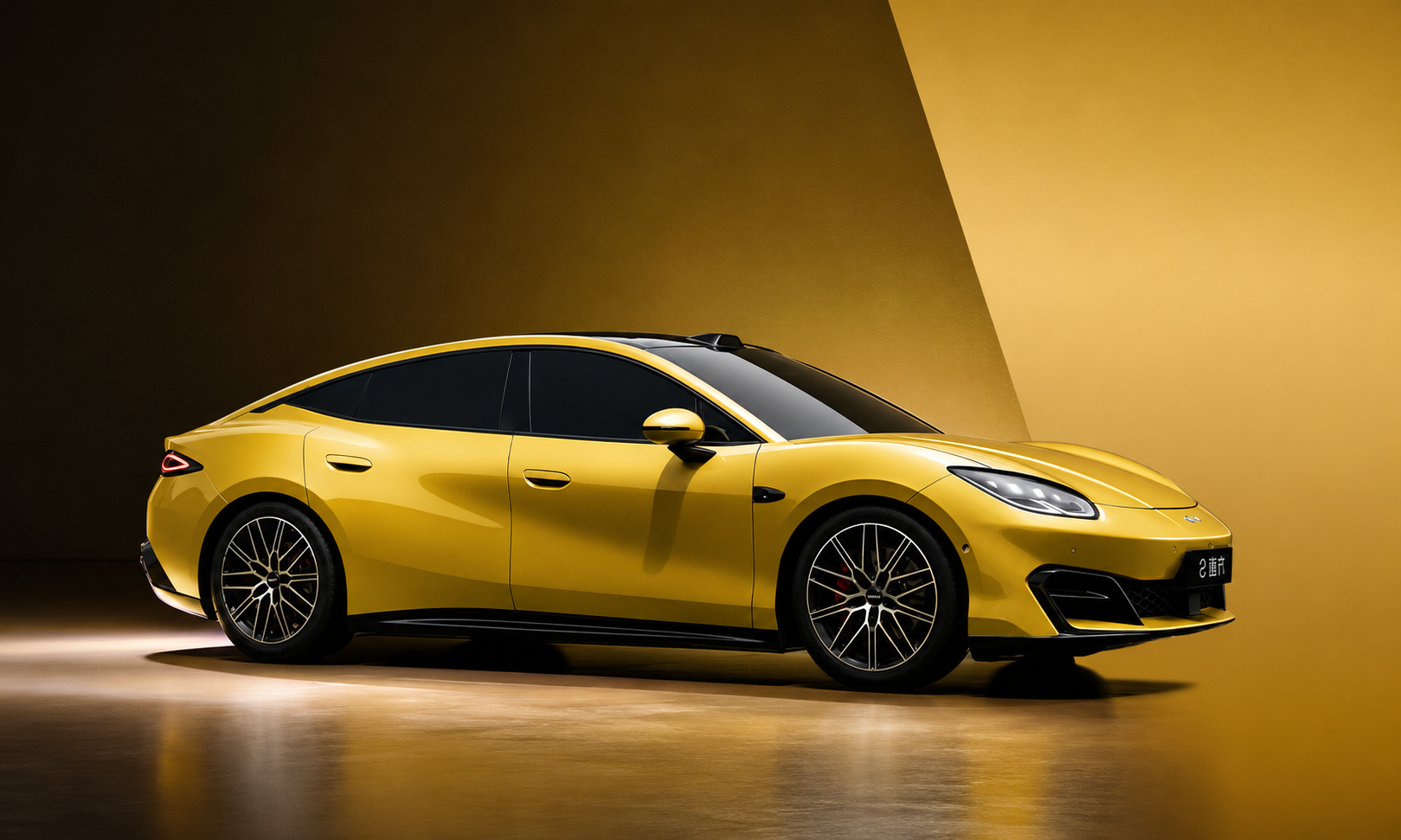
Among them, its premium brands Fangchengbao, Denza and Yangwang sold a combined 84,131 units, up 60%, indicating growing contribution from higher-end segments.
In April, BYD also rolled out its 16 millionth NEV, with the milestone unit being the world’s first second-generation Denza D9.
Overseas markets have become the key factor reshaping its earnings structure. BYD disclosed that first-quarter overseas sales approached 320,000 units, up 50% year-on-year.

Supported by this growth, overall gross margin improved to 18.8%, up 1.4 percentage points from the fourth quarter of 2025, reaching a near one-year high.
From a global footprint perspective, BYD has established production bases in Thailand, Uzbekistan, Brazil and Hungary, covering key regions across Asia, South America and Europe.
To date, BYD’s new energy vehicles have entered more than 120 countries and regions worldwide, with cumulative exports exceeding 2.08 million units.
At the end of March, the company raised its 2026 vehicle export target to 1.5 million units from 1.3 million, an increase of 15%.
Meanwhile, BYD continues to expand its fast-charging network. As of April 28, it had built over 5,500 flash charging stations across 311 cities, with a target of reaching 20,000 stations by the end of 2026.
Discover more from ChinaEVHome
Subscribe to get the latest posts sent to your email.