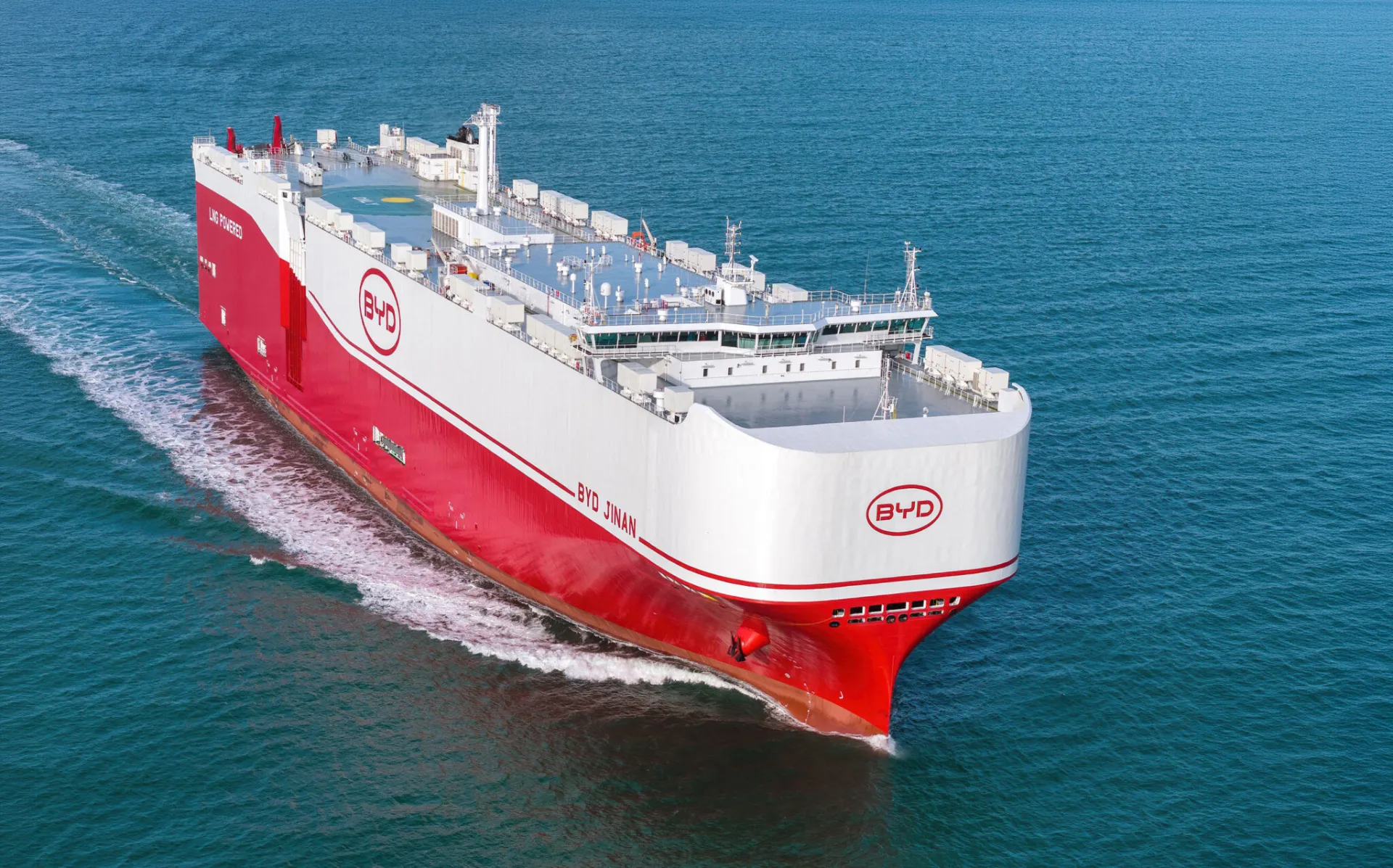
- BYD-powered Chinese imports hit 2,023 April registrations, overtaking Japan by 49 units.
- Chinese vehicles captured about 6.0% market share in April, led solely by BYD.
- BYD’s rapid rollout and other Chinese brands threaten a long-term contraction of Japanese automakers.
Per the latest KAIDA data, Chinese-made cars notched 2,023 new registrations to take the third spot in South Korea’s April imported vehicle market, ahead of Japan’s 1,974 units.
This marks the first time Chinese automobiles have overtaken Japanese brands in the Korean import market on a monthly basis.
The overall market structure showed European-made vehicles maintaining first place with 16,835 units, followed by American models at 13,611 units.
China and Japan ranked third and fourth respectively, with a marginal gap of just 49 units between them.

In terms of market share, Chinese vehicles accounted for approximately 6.0%, slightly higher than Japan’s 5.8%.
Notably, the Chinese figure in this statistical framework is represented by a single brand, BYD, while the Japanese segment includes multiple established marques such as Lexus, Toyota, and Honda.
Despite this asymmetry, Chinese vehicles still achieved a higher overall position.
KAIDA data further shows BYD’s cumulative sales in South Korea reached 3,968 units in the first quarter of this year, representing an increase of nearly 400 times year-on-year.
Monthly performance showed a rising trajectory, with 1,347 units delivered in January, 957 units in February, and 1,664 units in March, indicating sustained momentum.

BYD officially entered the South Korean market in January 2025 and became a formal member of KAIDA in March of the same year.
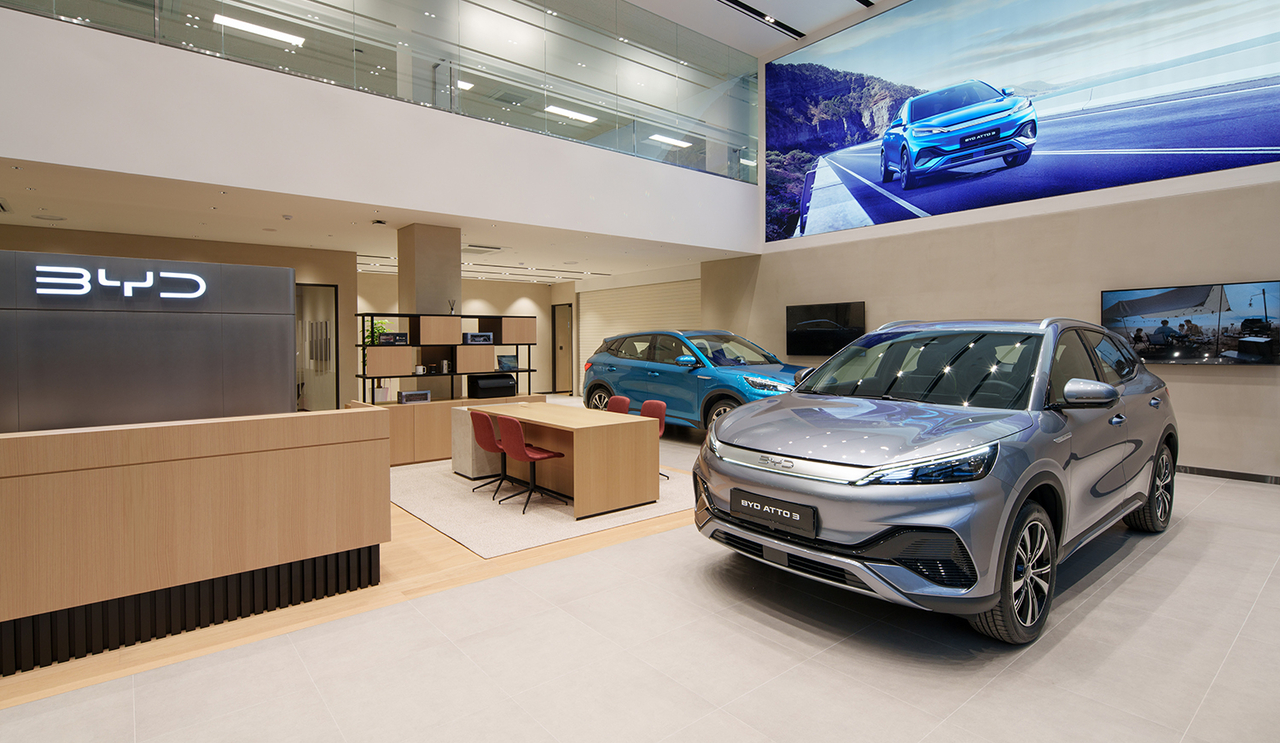
The company currently offers four models in South Korea: Atto 3 (Yuan PLUS in China), Seal, Sealion 7, and Dolphin. It also plans to launch two additional DM-i hybrid models within the year.
Under its current roadmap, BYD aims to sell 10,000 vehicles in South Korea in 2026, marking a 64% increase from the 6,107 units sold in 2025.
Based on its current growth trajectory, the brand is now on track to exceed 20,000 units for the full year.
Beyond BYD, other Chinese automakers are accelerating their expansion in the Korean market.

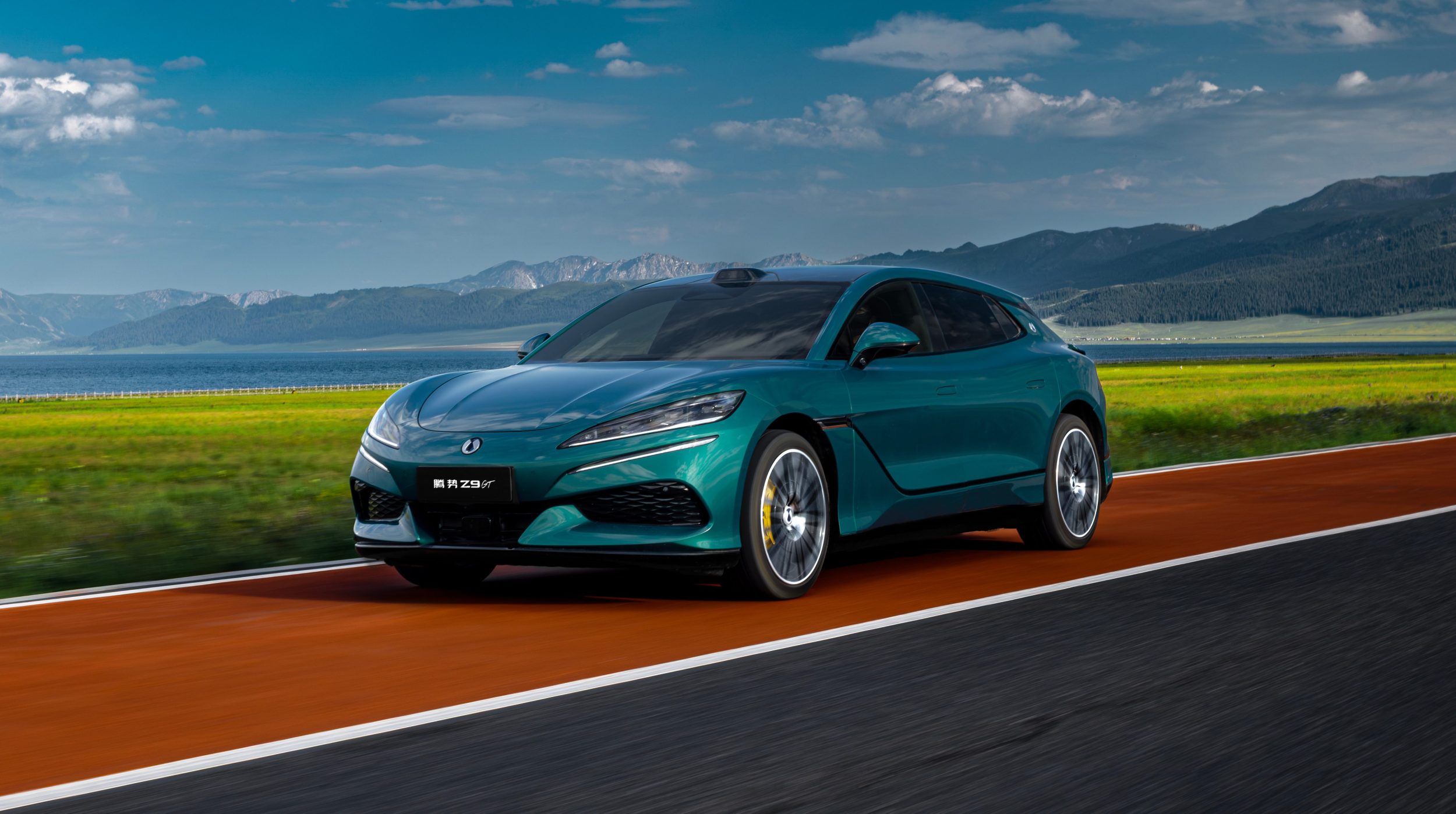
Zeekr opened its first brand gallery in Seoul in May and plans to launch the Zeekr 7X in June, targeting competitors such as the Hyundai Ioniq 5 and Kia EV6.
XPeng plans to introduce its mid-size SUV G6 in South Korea in 2026, while brands such as Changan and Xiaomi are also accelerating local entity establishment and distribution network development.
In parallel, Japanese brands are showing signs of contraction in the Korean market.
Honda announced in April that it will cease automobile sales in South Korea by the end of the year, becoming the second Japanese automaker to withdraw after Nissan.
Historical data shows Honda once peaked at approximately 12,000 annual sales in 2008, before entering a prolonged decline.
If the current trend continues, after 2027 the Japanese presence in South Korea’s imported passenger vehicle market may be limited to Toyota and Lexus.
Discover more from ChinaEVHome
Subscribe to get the latest posts sent to your email.