A battery-related warning appearing on low-mileage BMW electric vehicles has sparked widespread discussion across Chinese social media, reviving concerns over the reliability of the brand’s EV electrical systems.

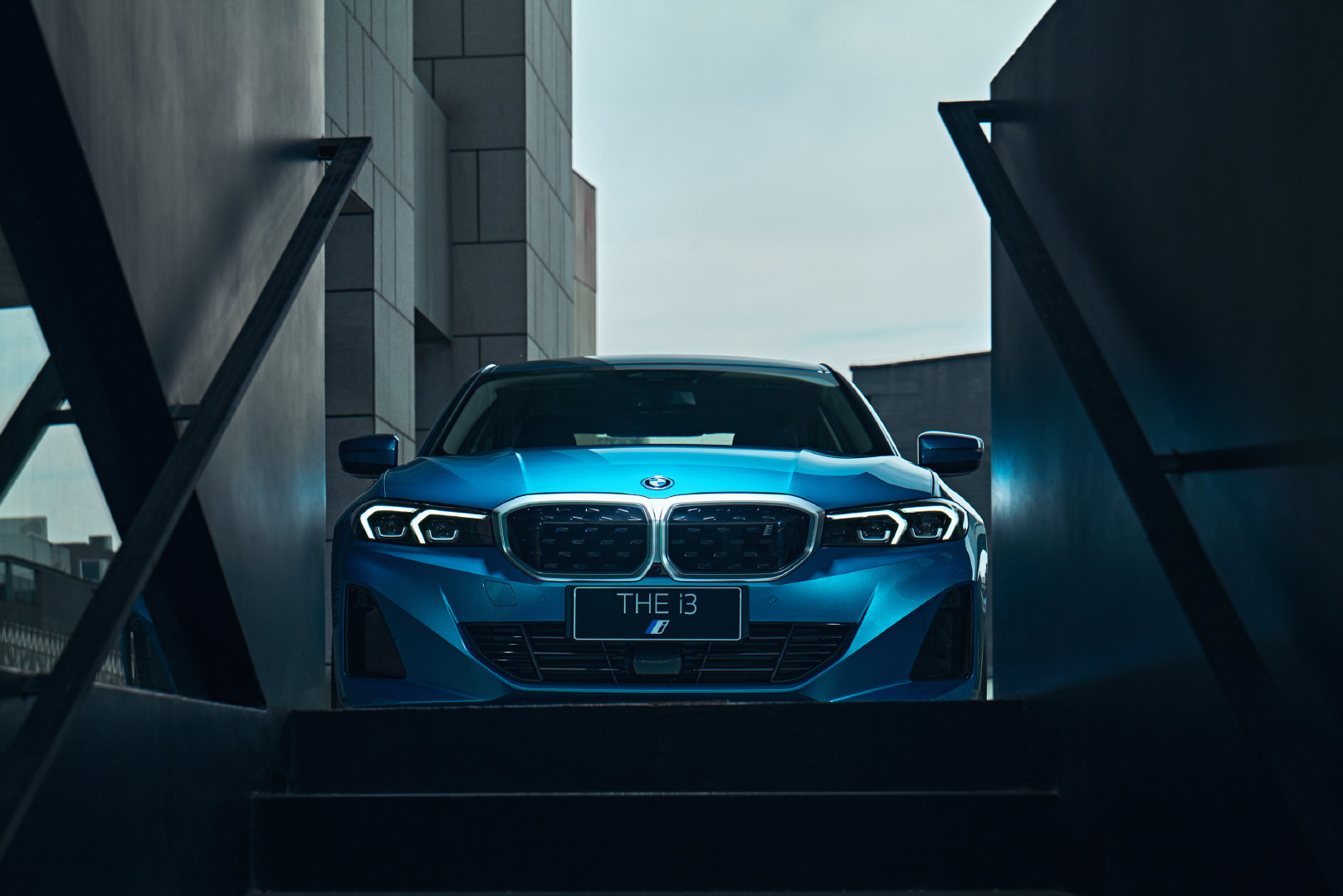
The controversy began after multiple BMW i3 and i4 owners reported receiving an in-vehicle notification stating: “You May Continue Driving. Please Replace The Battery.”
One owner said the warning appeared on an i3 with fewer than 8K kilometers on the odometer.
Images shared online show nearly identical warning messages across different vehicles. The system simultaneously indicates the car remains safe to drive.
The number of reported cases, combined with varying vehicle ages and mileages, has led some owners to question whether the issue could involve a broader quality concern rather than isolated incidents.
Many owners initially contacted dealership sales representatives for clarification. Early responses reportedly advised customers to bring vehicles to authorized service centers for inspection.
As additional cases emerged, the explanation shifted. Several owners later posted that dealership staff informed them the notification had been mistakenly pushed by BMW’s backend system. The vehicles themselves were reportedly unaffected. Owners were told the alert would eventually disappear without repair.

Despite those explanations, many customers continue to seek a formal response from BMW China regarding the root cause of the warning, along with a clear technical solution.
BMW China has not publicly commented on the matter.
The incident has drawn additional attention because of BMW’s existing battery warranty policy. For BMW i3 models produced after May 2022, BMW i4 models produced after November 2021, the high-voltage battery carries an eight-year or 160K-kilometer warranty. If an authorized dealer confirms battery capacity has fallen below 70%, BMW will repair or replace the pack at no cost. Restored capacity must reach at least 70%.
Whether the current warning is related to battery degradation remains unclear.
The latest controversy is not the first battery-related issue involving BMW’s electric vehicles in China. In August 2025, China’s market regulator announced a recall covering 213,432 BMW i-series EVs. The campaign included 95,753 locally produced i3 sedans, 106K domestically built iX3 SUVs.
BMW said a flaw in the high-voltage insulation monitoring logic could cause the high-voltage system to shut down unexpectedly while driving, resulting in a loss of power.
Three months later, BMW expanded the recall by another 7,638 EVs. The campaign included 5,014 locally produced i3 vehicles. The additional action addressed incomplete remediation linked to the same electrical-control defect.

Multiple large-scale recalls, combined with the latest battery-warning incident, have weighed on consumer confidence in BMW’s EV electrical systems.
Market performance has already reflected those challenges. The BMW i3 remains a niche player within China’s highly competitive new-energy vehicle market. The model sold 23,369 units in 2025. Sales reached only 5,306 units during the first five months of 2026, trailing many mainstream rivals in the segment.
The current model is also approaching the end of its lifecycle. Production of the locally built BMW i3 at BMW Brilliance’s Lida plant in Shenyang is scheduled to end in August 2026.

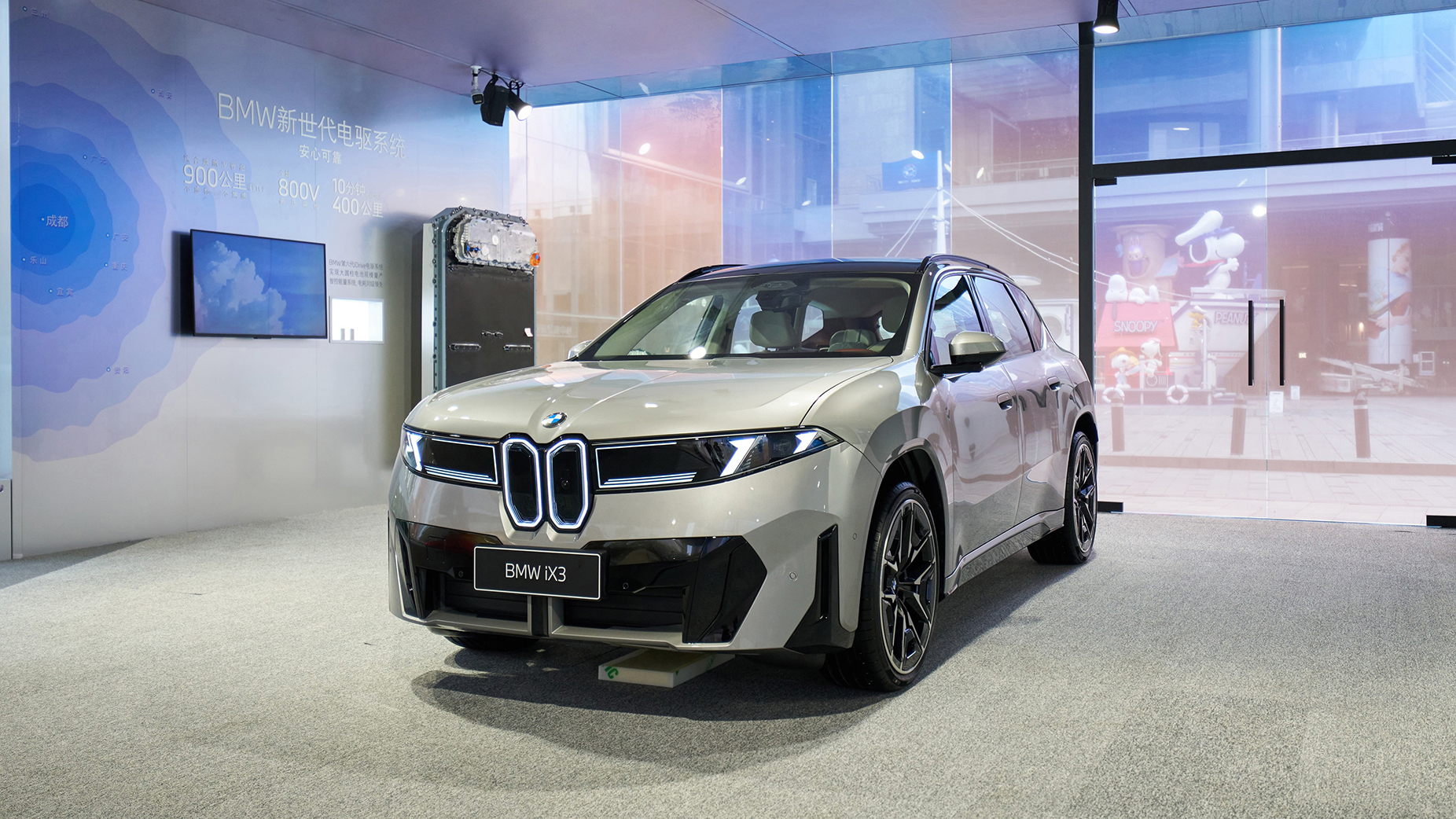
Its successor is already waiting in the wings. BMW unveiled the next-generation long-wheelbase i3 based on the Neue Klasse platform during the Beijing Auto Show in April 2026. Customer deliveries are expected to begin in 2027.
Discover more from ChinaEVHome
Subscribe to get the latest posts sent to your email.