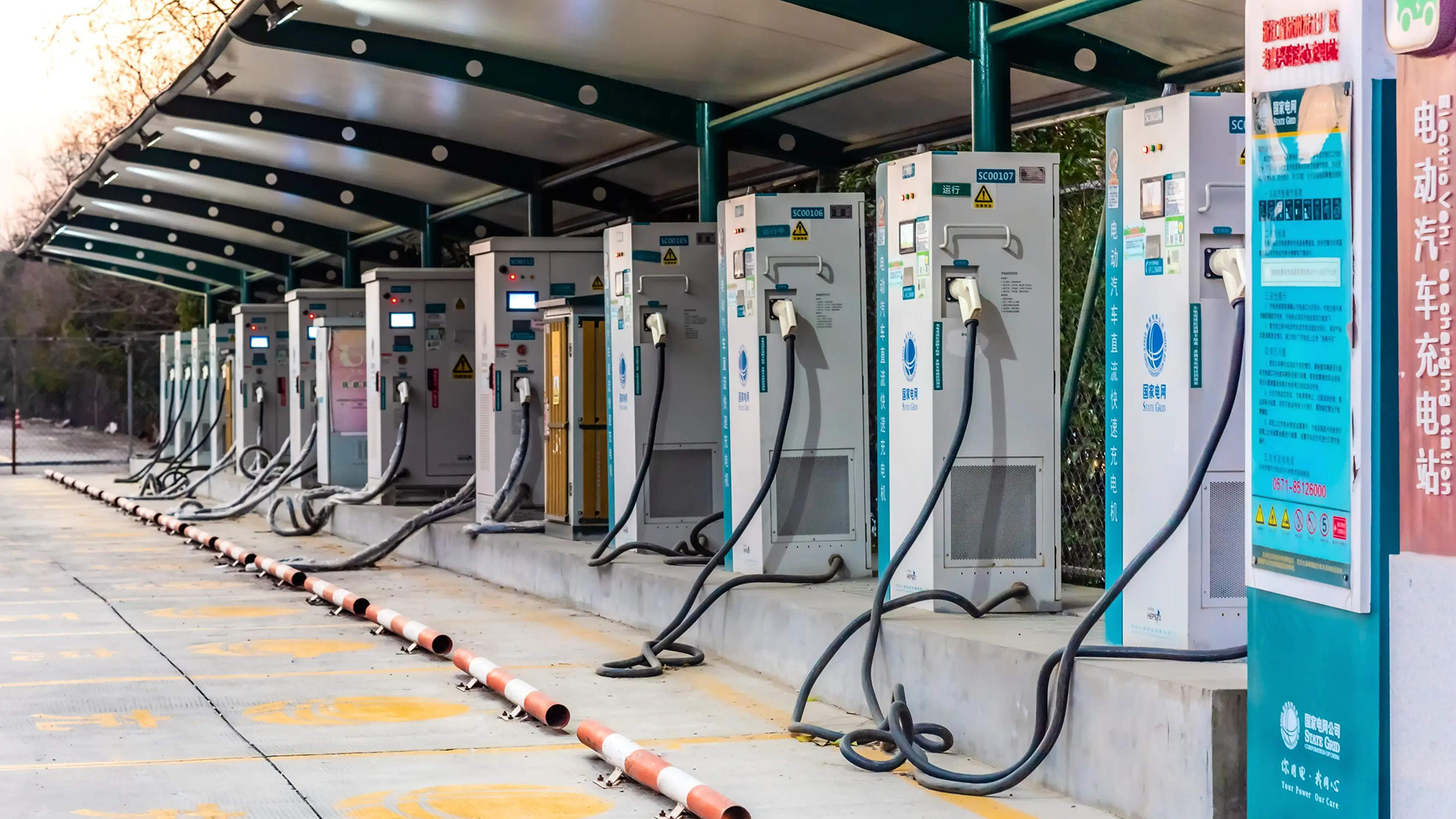
- China’s EV charging network reached 22.497 million connectors by end-May, up 44.9% year‑on‑year.
- Private/home chargers dominate with 17.546 million units, accounting for 78% and growing 51.4% year‑on‑year.
- Public charging capacity rises to 242 MW with average charger power at 48.89 kW as fast‑charging rollouts accelerate.
On June 24, China’s National Energy Administration (NEA) released nationwide electric vehicle charging infrastructure data for May 2026.
Data from the National Charging Infrastructure Monitoring and Service Platform showed that the country’s total EV charging infrastructure expanded 44.9% year-on-year to 22.497 million connectors by the end of May.
Growth remained strong during the month. China added 542,000 charging connectors in May alone, up 14.3% from April, with private charging facilities continuing to account for the majority of new installations.

Data showed that 498,000 new private charging connectors were added in April, representing 92% of total additions, while public charging infrastructure increased by 44,000 units during the same period.
As new-energy vehicles increasingly penetrate beyond major metropolitan areas and into household ownership, home charging scenarios have become a key driver of industry growth.
By the end of May, China’s private charging infrastructure totaled 17.546 million connectors, up 51.4% year-on-year and accounting for 78% of all charging facilities nationwide.
In comparison, public charging infrastructure reached 4.951 million connectors, up 25.9% from a year earlier.
Beyond the increase in quantity, charging capability has also continued to improve.

As of the end of May, the rated total power capacity of China’s public charging infrastructure reached 242 million kW, with average power output per charger rising to approximately 48.89 kW, up 8.9% year-on-year.
Private charging infrastructure construction has likewise maintained strong momentum. Total installed electricity capacity for residential charging facilities has reached approximately 151 million kVA.
Since the beginning of the year, year-on-year growth in private charging infrastructure has consistently remained above 50%, supported by sustained demand for new-energy vehicles.
Automakers are also accelerating investment in charging and energy replenishment networks.
As of June 24, NIO had built 9,007 charging and battery-swapping stations across China, including 5,079 charging stations and 29,265 charging piles.
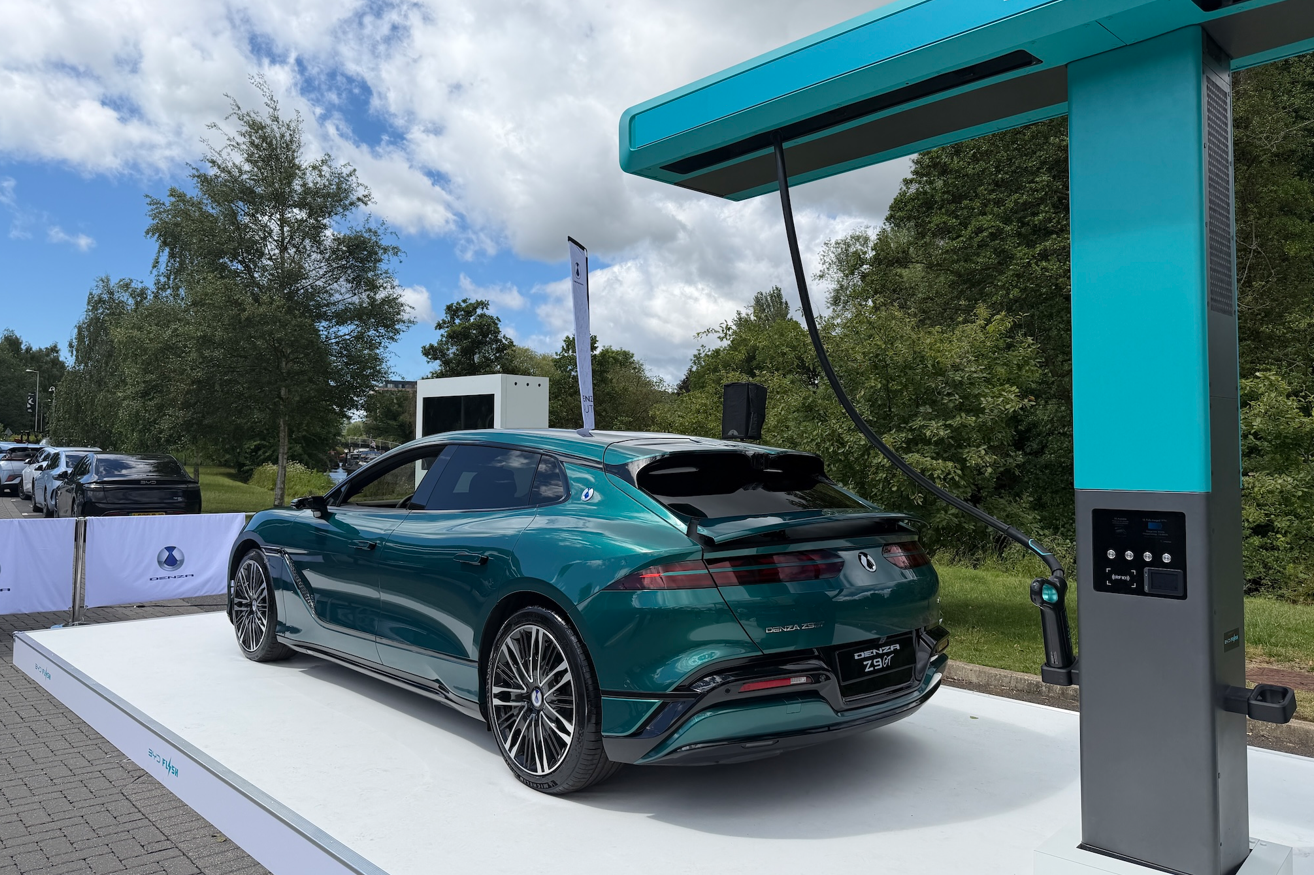
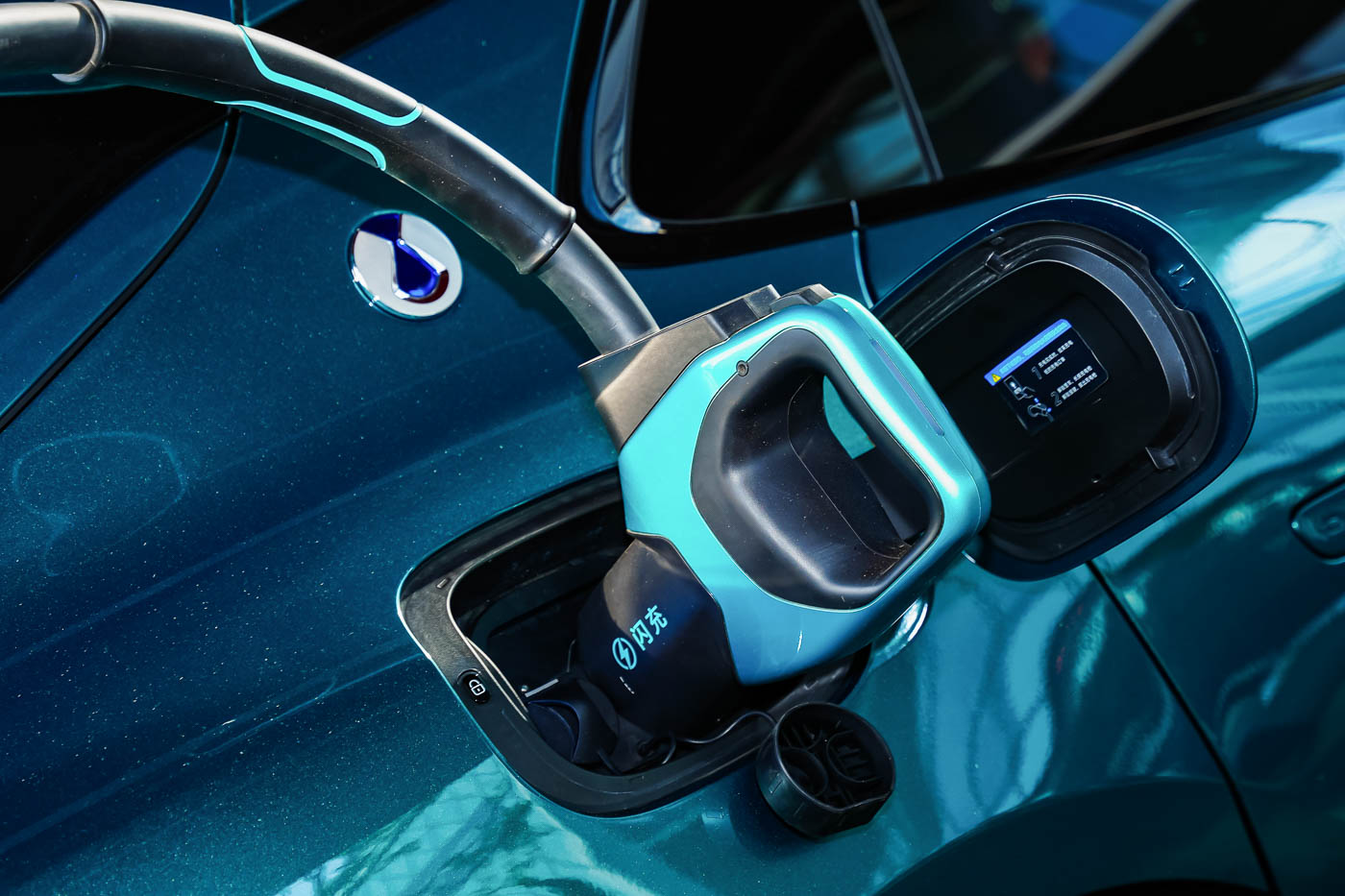
BYD has been expanding aggressively in the ultra-fast charging segment. As of June 17, the company had deployed 6,682 megawatt flash-charging stations across 321 cities nationwide.

Under its current plan, BYD aims to increase the number of flash-charging stations to 20,000 by the end of the year.
The rapid expansion of charging infrastructure is being supported by continued strength in new-energy vehicle sales.
According to data from CAAM, China sold 5.802 million NEVs during the first five months of the year, with NEVs accounting for 47.5% of total new vehicle sales.
Discover more from ChinaEVHome
Subscribe to get the latest posts sent to your email.