- China built 22.5 million EV charging points, creating the world’s largest vehicle energy replenishment network.
- NEV fleet surged to 43.97 million with 2025 registrations at 12.9 million, hitting 62.9% passenger-car penetration.
- Home charging supplies over 70% of demand while public chargers (4.95M) shift toward ultra-fast capability.
China has built the world’s largest, most fully connected power supply network. Its electricity system now shifts from basic supply assurance to a broader service model that supports green mobility and high-quality energy consumption.
The assessment came from the China Power Development Report 2026, published by the National Energy Administration on June 30. China’s power grid has completed a structural upgrade. It evolved from a basic electricity supply system into an integrated service network covering residential demand, new energy mobility needs.
The transformation comes amid rapid expansion of China’s new energy vehicle market. By the end of 2025, the country’s NEV fleet reached 43.97M units. New registrations in 2025 totaled 12.9M units, accounting for 49.38% of all new vehicle registrations. In May 2026, NEV penetration in the passenger car market reached 62.9%, underscoring continued demand expansion.

The report showed that China’s total electricity consumption exceeded 10T kWh in 2025. Total electricity users approached 800M, ranking first globally. The country has built 99K standardized power service stations, supported by more than 560K industry workers, covering both urban and rural regions.
Digitalization of electricity services has also become widespread. China has deployed 65.9K “scan-and-connect” public power access points. Online service platforms have reached 570M registered users. More than 97% of electricity-related services are now handled online, sharply reducing the need for in-person applications.
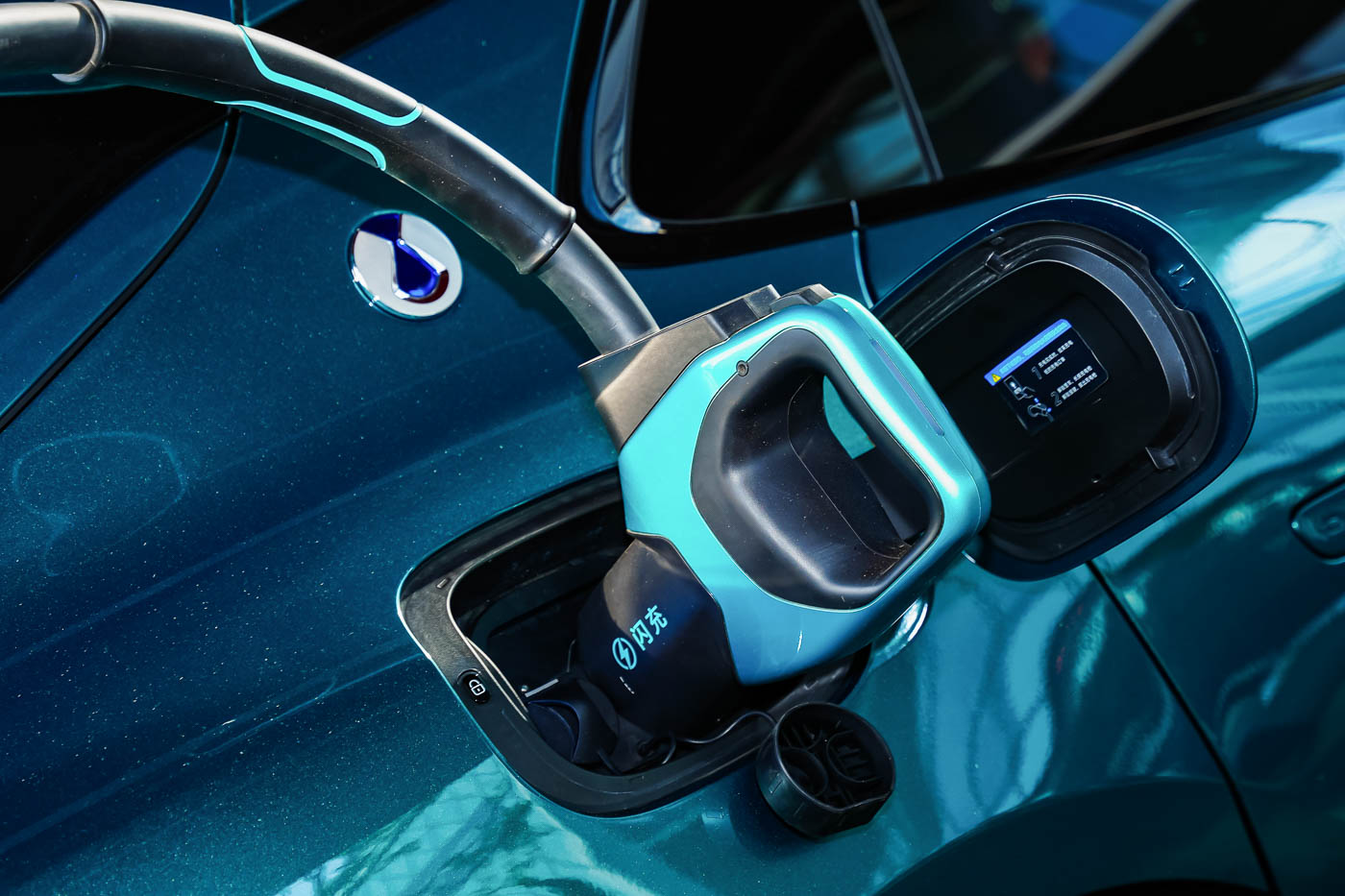
Parallel to the grid upgrade, charging infrastructure has expanded at high speed. By the end of May 2026, China had built 22.5M electric vehicle charging points. The country’s overall vehicle-to-charger ratio stands at roughly 2:1, forming the world’s largest EV energy replenishment network.
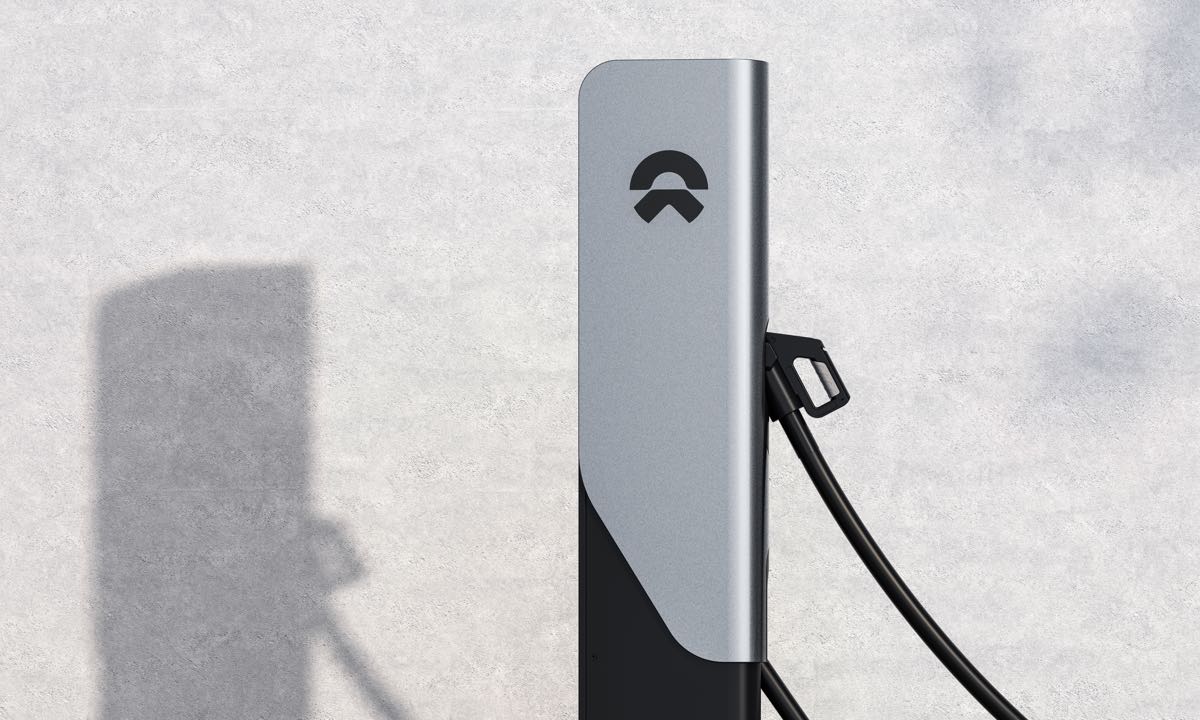
Structurally, the charging system is multi-layered. Home charging remains dominant, accounting for more than 70% of usage, mainly supporting daily commuting needs. Public charging continues to expand, with highway service areas now broadly covered nationwide. Public charging points reached 4.95M units and are gradually upgrading toward ultra-fast charging capability.

The development path reflects synchronized growth between infrastructure and vehicle demand. Charging deployment has not lagged behind EV adoption. Instead, it expanded in parallel with vehicle penetration, preventing large-scale structural bottlenecks in energy replenishment.
Hao Ruifeng, director general of the market regulation department at the National Energy Administration, said under the 15th Five-Year Plan, China’s charging infrastructure is expected to double in scale. The system will be capable of supporting daily charging demand for more than 110M electric vehicles.
Discover more from ChinaEVHome
Subscribe to get the latest posts sent to your email.