- NIO will delay ET5 and EC6 refreshes until after 2027 while confirming third-generation ET5T and ES6 deliveries in H1 2027, reflecting product prioritization tied to sales strength and lineup focus.
- ET5T and ES6 are spied with longer profiles, possible NT3 LiDAR and >5m length estimates; Jan–Oct 2026 sales: ET5T 17,869 units, ES6 12,179 units.
- NIO will open its ONVO-standard battery swap network to other automakers in 2027 using 60 kWh and 85 kWh packs and standardizing 46-series cells, risking partner timing, supply and scaling execution.
NIO founder, chairman and CEO William Li outlined several key plans for the company’s future at a recent face-to-face meeting with users in Changzhou, Jiangsu province.
On the product front, Li confirmed that deliveries of the third-generation ET5T and ES6 will begin in the first half of 2027. NIO will not update the ET5 or EC6 next year.
Heavily camouflaged test vehicles of both upcoming models have already been spotted on public roads.

Spy shots suggest the third-generation ET5T will have a longer, sleeker profile. Some observers estimate that its overall length could approach 5 meters. A partially visible LiDAR sensor on the front fender also hints that the model may adopt NIO’s NT3-generation standard driver-assistance hardware.
Images of the next-generation ES6 suggest that it may borrow several design cues from the new ES8. Its side mirrors appear to be mounted on the front doors rather than at the base of the A-pillars, as on the current model. The SUV is also expected to feature hidden window trim for a cleaner side profile.

The new ES6 is likely to retain its positioning as a mid-to-large all-electric SUV, potentially with a spacious five-seat layout. Based on the spy shots, some observers have speculated that it could exceed 5 meters in length and have a wheelbase longer than 3 meters.
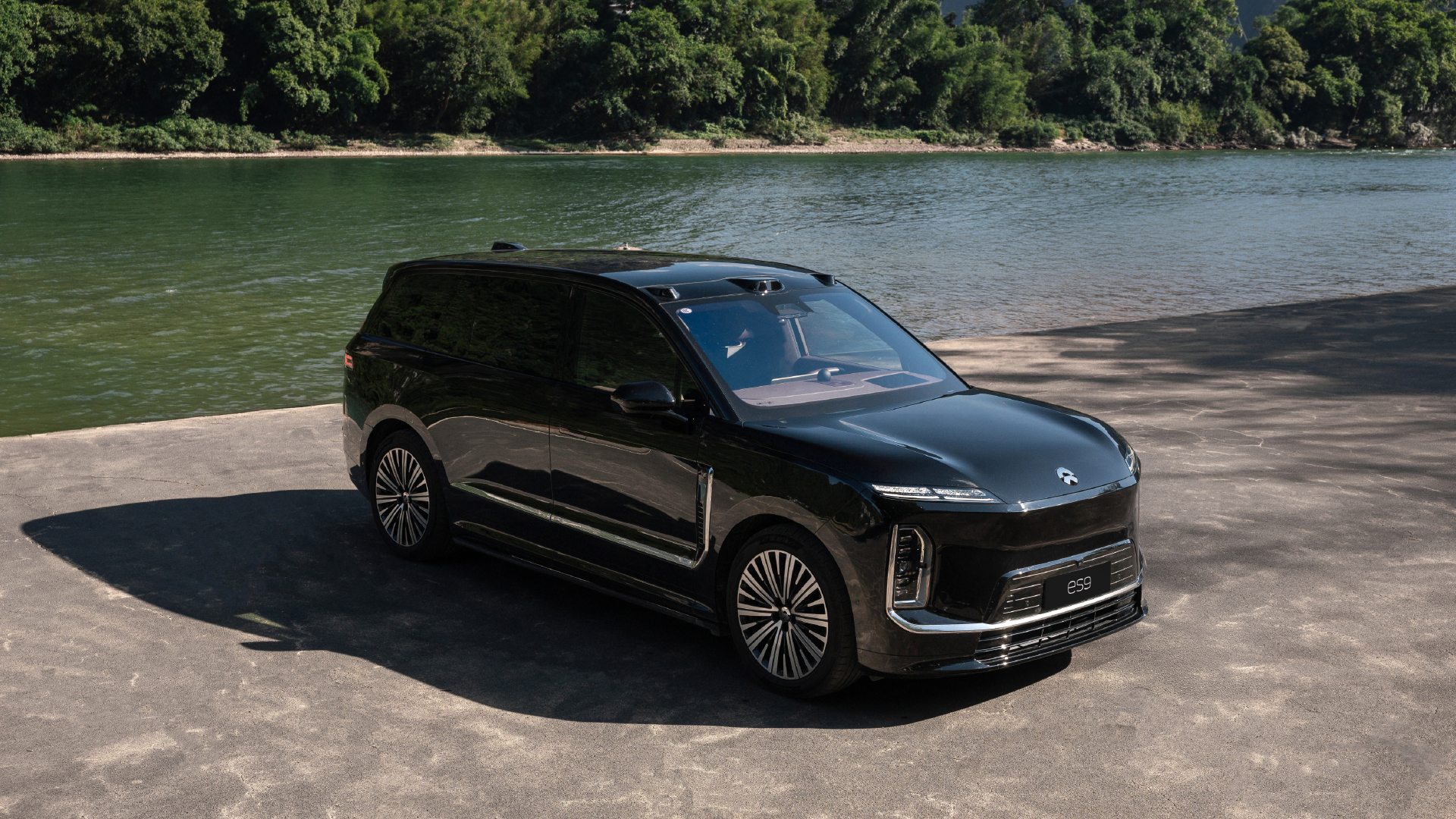
NIO’s decision to update only the ET5T and ES6 next year may partly reflect differences in sales performance. ChinaEV Home notes that the two models have been the NIO marque’s best-selling vehicles after the ES8 and ES9.
From January to October 2026, the ET5T sold 17,869 units, while the ES6 recorded 12,179. By comparison, the ET5 sold 6,017 units and the EC6 4,458 during the same period.
Beyond its product plans, Li revealed that vehicles from other automakers will join NIO’s battery-swapping network in 2027, using standard battery packs developed for the ONVO brand. He did not disclose the partner companies, vehicle models or specific launch dates.

ONVO currently offers two standard battery packs, with capacities of 60 kWh and 85 kWh. Since the planned partnership will use ONVO’s battery standards, some observers have speculated that a Geely brand could be among the partners. Neither NIO nor Geely has confirmed this.
The speculation follows a broader partnership between the two companies. In September 2026, NIO and Geely Holding announced a comprehensive strategic agreement covering charging and battery swapping.
Li also outlined NIO’s next steps in battery technology. Over the next one to two years, the company plans to standardize on 46-series large cylindrical battery cells across both NIO and ONVO models. The two brands will also share production lines for battery cells and packs.

Li previously said that adopting large cylindrical cells could increase the capacity of NIO’s existing 102-kWh battery pack to 120 kWh with high-nickel materials. ONVO’s 85-kWh pack could also grow to 100 kWh, representing an increase of approximately 18% to 20%.
Standardizing cell specifications would also allow the two brands to share cell and battery-pack manufacturing equipment, reducing the need to switch production lines between different products and improving manufacturing efficiency.
Discover more from ChinaEVHome
Subscribe to get the latest posts sent to your email.