Industrial chain maturation and policy support are the key drivers behind falling NEV prices.
On October 18, Cui Dongshu, Secretary-General of the Passenger Car Association, stated that the passenger car market performed strongly in September 2025, achieving robust growth of 6% despite a high base from the previous year. The sub-150,000 yuan market segment was relatively active, with small electric vehicles performing notably well, while high-end extended-range and plug-in hybrid series showed weaker performance.
Data shows that the average price of passenger vehicles from January to September 2025 was 170,000 yuan, a decrease of 7,000 yuan compared to the average price in 2024. Specifically, the average price in September 2025 was 168,000 yuan, down 4,000 yuan year-on-year.
Notably, the average price of new energy vehicles (NEVs) has continued to decline, dropping from 184,000 yuan in 2023 to 171,000 yuan in 2024, and further to 160,000 yuan in 2025. As of September 2025, the average price stood at 158,000 yuan. Compared to the same period last year, the price threshold for NEVs has further lowered, stimulating more active consumption in the NEV market.

Driven by these price reductions, the penetration rate of new energy vehicles continues to climb.
In September 2025, the NEV penetration rate reached 57.8%, nearly 10 percentage points higher than the 48% recorded for the full year of 2024. By vehicle segment, the penetration rate for micro cars reached 100% in September, A0-class small cars achieved 80%, and the penetration rate for A-class cars increased to 44%.

Industry chain maturation and policy support are the two main factors driving the price reduction of new energy vehicles.
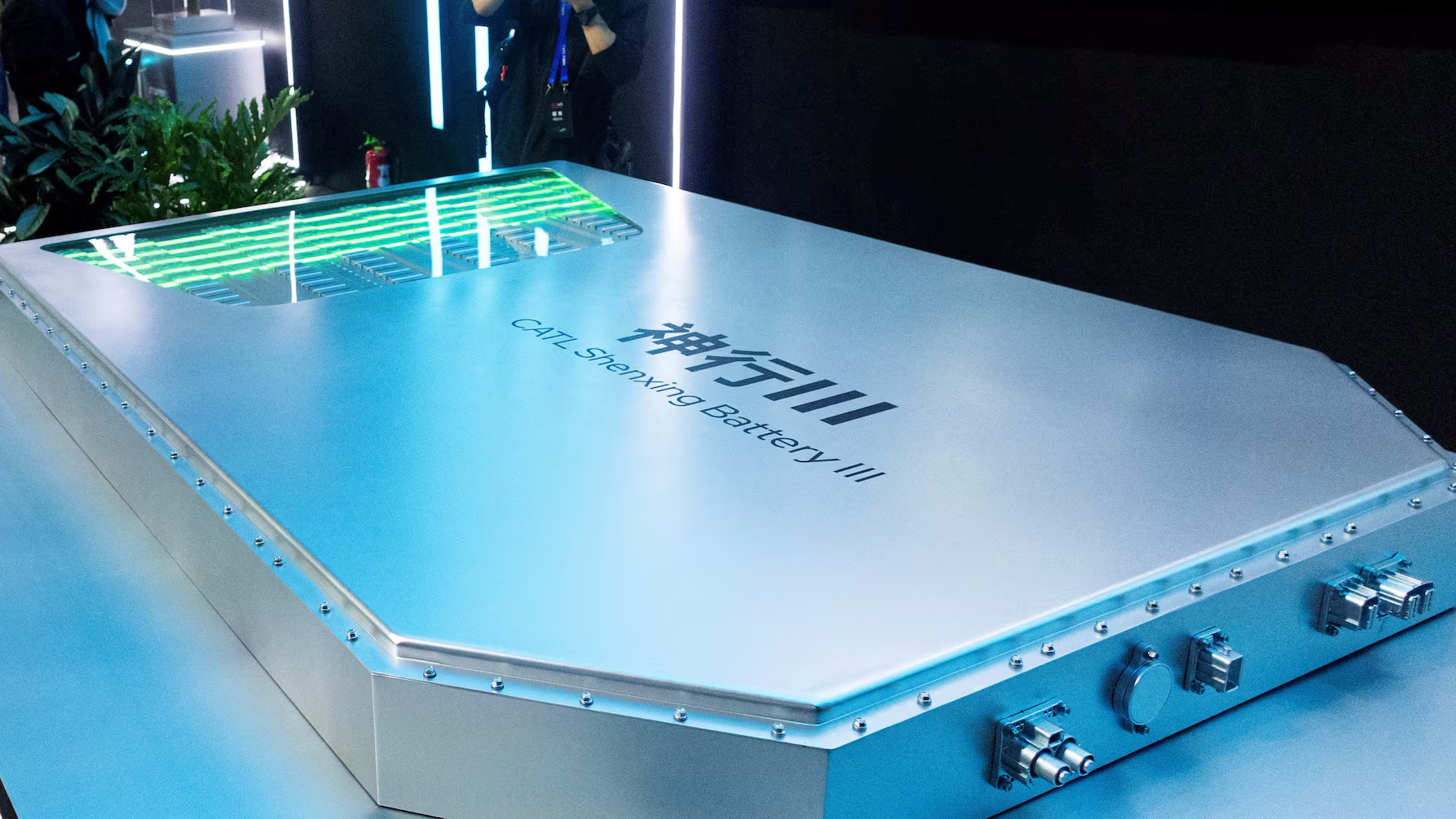
Public information indicates that current battery costs have decreased by approximately 15% compared to 2022. Combined with cost dilution achieved through automakers’ large-scale production, this has created room for price reductions. Meanwhile, continuous policy support from local governments, such as NEV consumption subsidies and purchase tax exemptions, has further reduced consumer purchasing costs.
Since the second half of 2024, subsidy policies for vehicle scrappage, renewal, and trade-ins have boosted sales in the mid-to-low-end market, consequently contributing to the decline in the overall average price.

In contrast to the declining prices of new energy vehicles, traditional internal combustion engine vehicle prices have generally shown an upward trend in recent years.
The average price of fuel vehicles rose consistently from 150,000 yuan in 2019 to 183,000 yuan in 2023. For the period of January to September 2025, the average price fell back to 181,000 yuan but rebounded to 183,000 yuan in September alone, indicating that the fuel vehicle buyer demographic is gradually stabilizing.
Discover more from ChinaEVHome
Subscribe to get the latest posts sent to your email.