- China’s GB1589-2026 frees up physical space by excluding LiDAR, cameras and V2X antennas from vehicle length and width limits, enabling easier L3 hardware installation.
- GB7258-2026 mandates AEB, ESC, EBS and enhanced EV safety functions for new vehicles, raising the baseline for operational and collision safety.
- GB44721-2026 forces L3/L4 systems to withstand single-point failures, maintain long-range perception and implement lifecycle safety management, accelerating commercial autonomous deployment.
Two new mandatory national standards will take effect on July 1 next year.
China’s State Administration for Market Regulation (SAMR) recently released updated versions of the mandatory national standards “Limits of Dimensions, Axle Load and Mass for Automobiles, Trailers and Combination Vehicles” (GB1589-2026) and “Safety Technical Conditions for Motor Vehicle Operation” (GB7258-2026).

The two standards take different approaches — one loosens restrictions while the other introduces stricter requirements.
GB1589-2026 relaxes dimensional restrictions on perception and communication hardware used in intelligent connected vehicles.

GB7258-2026 requires newly produced medium- and heavy-duty passenger and commercial vehicles to be equipped with functions including automatic emergency braking (AEB), electronic stability control (ESC) and electronic braking systems (EBS).
It also introduces more detailed safety requirements for new energy vehicles and intelligent driving technologies.
One month earlier, on July 30, the “Intelligent and Connected Vehicle-Safety Requirements for Automated Driving System” (GB44721-2026) had already been approved.
The standard requires L3 and L4 autonomous driving systems to maintain steering, braking and parking capabilities even under single-point failures, while also requiring compensation strategies when perception performance deteriorates.
Whether these mandatory standards tighten restrictions or remove barriers, they are all designed to prepare the market for L3 autonomous driving.
Meanwhile, the growing influence of national regulations may also signal a tougher future landscape for the automotive industry.
New Rules Redefine Hardware Limits and Safety Requirements
Here’s a closer look at the sections related to new energy vehicles in the mandatory national standard “Limits of Dimensions, Axle Load and Mass for Automobiles, Trailers and Combination Vehicles.”
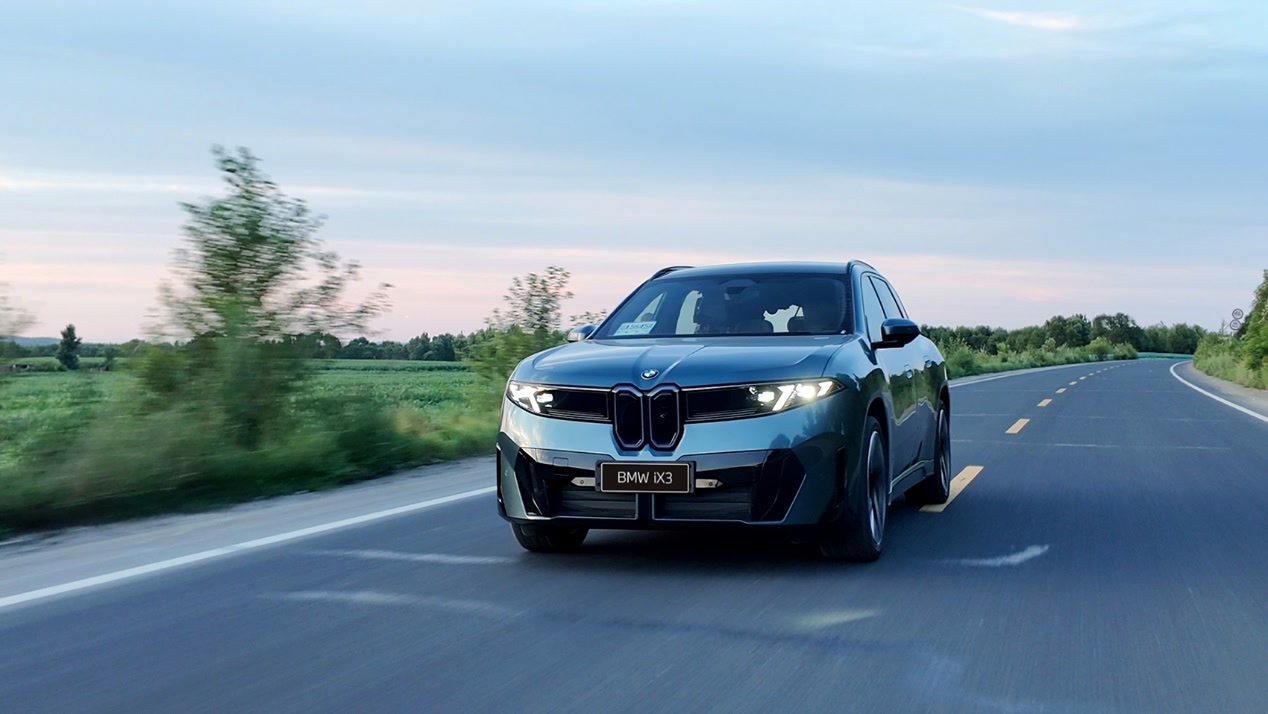
Once implemented, perception and communication components such as LiDAR, cameras and V2X antennas will no longer be included in vehicle length and width measurements.
The draft proposal had already outlined specific conditions and requirements for this exemption.
In addition, the maximum allowable axle load for new energy commercial vehicles equipped with single tires on each side of an axle will increase from 7,000kg to 8,000kg.
The adjustment addresses the issue where battery weight causes axle overload despite the vehicle’s total weight remaining within regulatory limits.
Although perception and communication hardware such as LiDAR, cameras and V2X antennas will no longer count toward vehicle dimensions, industry interpretations from China’s Ministry of Industry and Information Technology (MIIT), commercial vehicle media and professional institutions suggest that the impact of the regulation will be far greater for new energy commercial vehicles than for passenger EVs.
Commercial vehicles, which prioritize maximum size and space utilization, often push length and width limits to the maximum allowed levels.
Adding even several dozen millimeters of LiDAR or camera hardware, or installing additional V2X antennas, can easily exceed existing dimensional restrictions, leaving insufficient room for intelligent hardware deployment.
The revision of “Limits of Dimensions, Axle Load and Mass for Automobiles, Trailers and Combination Vehicles” creates additional physical space for commercial vehicles to install perception and communication hardware and improve safety capabilities.
With physical constraints being eased, the next step is for automakers to advance further in software capabilities.
The mandatory national standard “Safety Technical Conditions for Motor Vehicle Operation” (GB7258-2026) addresses this area.

The standard requires medium- and heavy-duty passenger and commercial vehicles to “expand the application scope of automatic emergency braking, electronic stability control and electronic braking systems.
It also adds requirements for tire pressure monitoring systems and lane departure warning systems,” improving baseline safety equipment levels.
Beyond new energy commercial vehicles, however, new energy passenger vehicles are the main focus of this mandatory standard.
Although the final official document has not yet been released, the previous draft consultation version indicated that the regulation would require single-pedal driving modes to no longer automatically replace braking functions.
It would also mandate safety features for EVs including acceleration suppression after unintended pedal input, automatic power disconnection after collisions and battery thermal event warnings.
These functions, which are currently often highlighted separately in automakers’ marketing materials and configuration lists, would become standardized safety requirements.
As a standard focused on vehicle operational safety, “Safety Technical Conditions for Motor Vehicle Operation” mainly evaluates safety outcomes after accidents occur — such as whether vehicles provide sufficient escape space for occupants after collisions or thermal runaway events — rather than regulating design approaches themselves, as seen in standards covering door handles or battery safety.
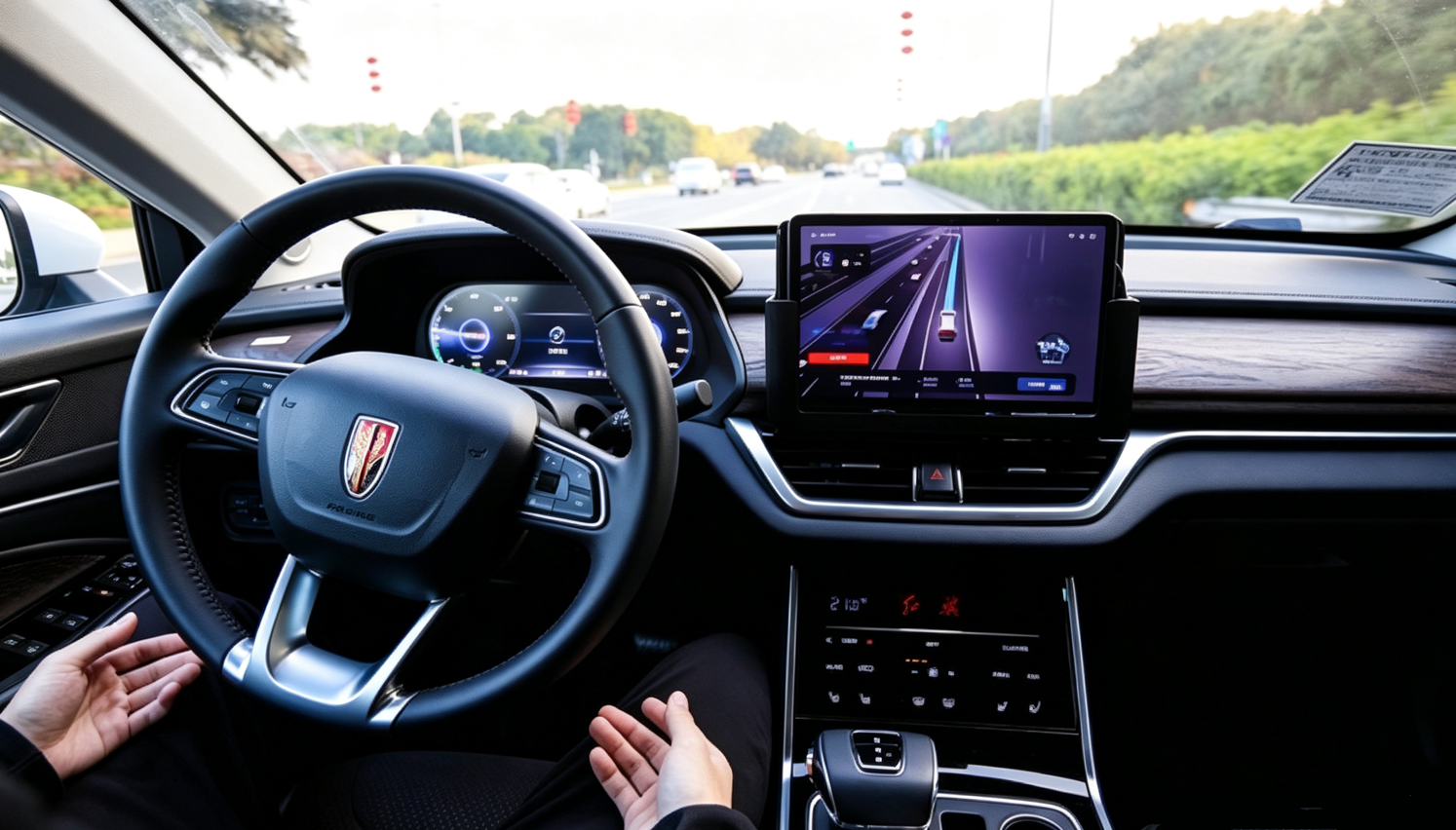
Ultimately, the direction of these two standards points toward the commercial deployment of L3 and L4 autonomous driving.
The “Safety Requirements for Automated Driving Systems of Intelligent Connected Vehicles,” released one month earlier, has already established the minimum safety requirements for passenger and commercial vehicles equipped with L3 and L4 autonomous driving systems.
For example, the standard requires vehicles to retain steering, braking and parking functions under single-point failures; maintain a forward detection distance of at least 130 meters at speeds below 120km/h; equip L3 systems with takeover capability monitoring; provide a 17-page onboard safety document; and establish a full lifecycle safety management system.
Industry Enters a New Phase of Regulation-Driven Competition
The new regulations surrounding China’s new energy vehicle industry over the past two days extend beyond these three mandatory national standards.
On September 1, lithium batteries ended an 11-year consumption tax exemption period and began facing a 2% consumption tax.

One year later, on September 1, 2028, the rate will further increase to 4%. Policy support once provided to new energy vehicles is gradually being reduced.
The release of these standards and changes in policy mark not only the maturation of the industry but also another round of market reshuffling.
Since 2023, China’s new energy vehicle sector has experienced successive waves of price wars. Low profit margins and even selling vehicles at losses have become common talking points among automakers.
Traditional automakers that were previously stronger in internal combustion engine vehicles have also been drawn into the competition, with few able to avoid the pressure.
The result has been average profitability among EV manufacturers remaining below other industrial sectors.
In the first half of 2026, the average profit margin of the industry stood at only 1.5%. Even as vehicle prices have stabilized or some models have seen price increases, profitable automakers remain a minority.
Price wars can be viewed as a market-driven response to excess capacity and slowing demand.
They have indeed eliminated some companies unable to keep pace with industry development.
However, the slow adjustment process and increasingly aggressive competition have begun to create obstacles for overseas expansion and weaken consumer confidence in new energy vehicles, making government intervention increasingly necessary.
From safety management systems to regulations covering door handles, single-pedal driving, battery safety and autonomous driving, a series of requirements closely related to EV development are being introduced.
Through standards and regulation, the industry is shifting from a price-war-driven restructuring process based on financial pressure toward a standards-based restructuring process driven by technological and operational capabilities.
Consumers hope that this wave of regulatory updates will guide the industry back toward healthier development.
Few people want automobiles — a major consumer product — to repeatedly face quality and design controversies.
Both the market and the industry are calling for a safer and more standardized environment.
This is also a prerequisite for EVs to continue expanding domestically and compete globally.
The era of uncontrolled growth in the new energy vehicle industry is coming to an end.
Discover more from ChinaEVHome
Subscribe to get the latest posts sent to your email.