- China mandates first national L3/L4 AV safety standard (GB 44721—2026), effective July 1, 2027.
- Standard forces lifecycle safety controls, mandatory testing, and clear OEM user disclosures for L3/L4 systems.
- Verification framework ties simulation, proving-ground, and public-road validation to future certification and market access.
On Aug. 4, China officially approved and released the mandatory national standard Intelligent and Connected Vehicles—Safety Requirements for Automated Driving Systems (GB 44721—2026), formulated and administered by MIIT. The standard is scheduled to take effect on July 1, 2027.
It is China’s first mandatory national standard covering Level 3 (L3) conditional automated driving and Level 4 (L4) highly automated driving systems, establishing a unified national safety baseline for the market entry of autonomous driving products.
The newly released GB 44721—2026 upgrades the recommended national standard Intelligent and Connected Vehicle—General Technical Requirements for Autonomous Driving Systems (GB/T 44721—2024), issued in 2024, by converting it into a mandatory standard.
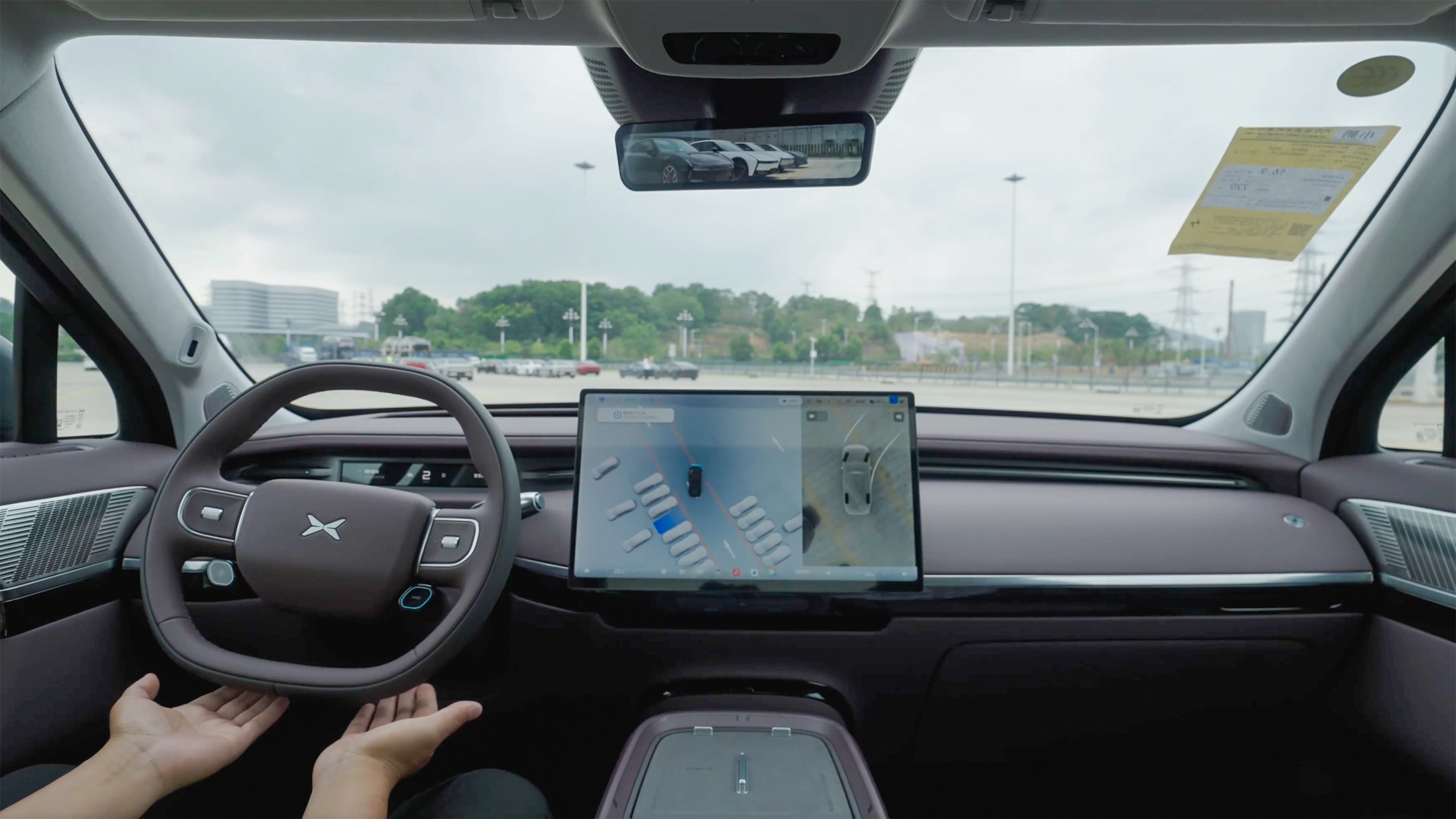
The standard applies to M-category passenger vehicles and N-category commercial vehicles equipped with L3 or L4 automated driving systems. It does not apply to automated parking systems.

Compared with the previous recommended standard, the new regulation introduces more comprehensive lifecycle safety requirements covering research and development, testing, production and post-deployment operations.
It requires automakers to establish safety assurance mechanisms spanning product design, development, manufacturing and operational maintenance.
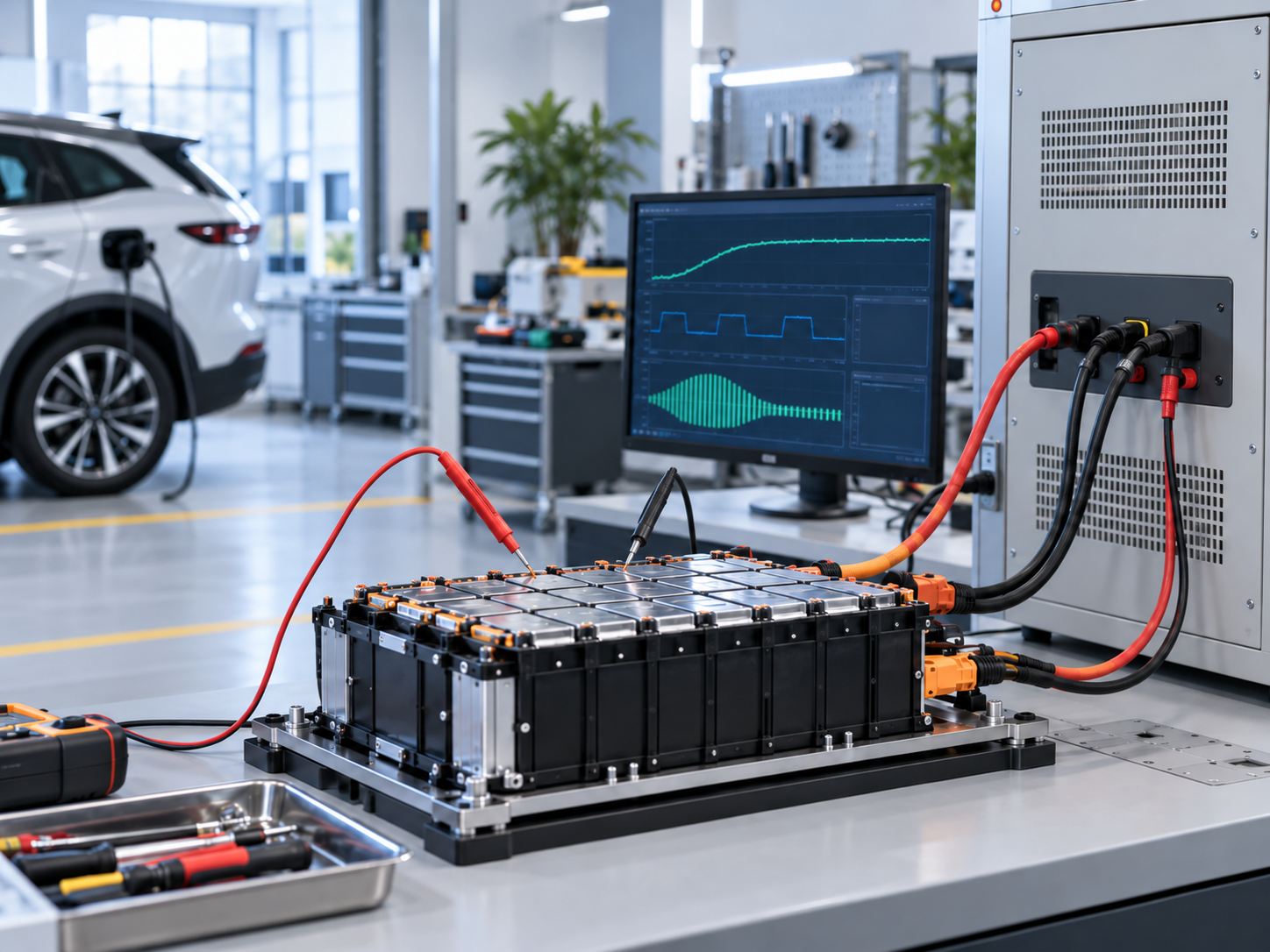
During the development and validation phase, companies must conduct simulation testing, closed-course testing and public road testing.
The standard also sets explicit requirements for automated driving systems covering dynamic driving task execution, minimum risk maneuvers, human-machine interaction, driver takeover capability monitoring and user information disclosure.
For L3 systems in particular, driver takeover capability monitoring is mandatory.
Automakers are also required to clearly inform users of the system’s automation level, operational design domain and usage limitations.
To ensure enforceability, the standard establishes a verification framework consisting of corporate safety assurance capabilities, safety documentation and conformity testing.
The framework combines simulation, proving-ground testing and public road validation to assess the real-world performance of automated driving systems, providing a unified basis for future product certification and market access.

Notably, in June this year, the United Nations Global Technical Regulation for Automated Driving Systems (ADS GTR), led by China, was officially adopted.
Compared with the international regulation, China’s newly released mandatory national standard provides more detailed technical requirements for L3 and L4 automated driving systems.
While remaining aligned with international regulatory frameworks, it is more closely tailored to China’s road traffic environment and regulatory requirements.
China’s autonomous driving industry has entered a phase of accelerated commercialization and mass production in recent years.
Multiple automakers have introduced new models with L2+ and L3 capabilities, while L4 Robotaxi pilot programs continue to expand across multiple cities.
As the industry moves toward higher levels of driving automation, a unified mandatory safety standard is expected to provide a critical foundation for large-scale commercial deployment.
Discover more from ChinaEVHome
Subscribe to get the latest posts sent to your email.