- NIO and Geely formalized a battery charging and swapping equity swap to jointly build 10,000 swapping stations by 2030, reflecting automakers consolidating resources amid intensifying market pressure.
- Geely will contribute Yiyi Internet equity plus RMB 640 million ($95.4 million) for a 30% stake in NIO Power, while NIO will take 10% of Haohan Energy, targeting network integration and deployment.
- Moves target mass-market EVs and joint-venture segments including Toyota partners, but execution risks include slow alliance delivery, JV regulatory complexity, and scaling network and product consolidation on schedule.
Over the past 48 hours, Chinese automakers have seemingly hit the accelerator on industry consolidation.
On one side, NIO and Geely signed a transaction agreement and formed a partnership covering battery charging and swapping.
FAW and GAC signed a strategic cooperation framework agreement, potentially reshaping the “Toyota South-North” structure.
Changan’s long-planned “AD synergy” initiative involving Avatr and Deepal is nearing implementation.
On the other, automakers appear intent on shortening their battle lines and reducing internal resource drain.
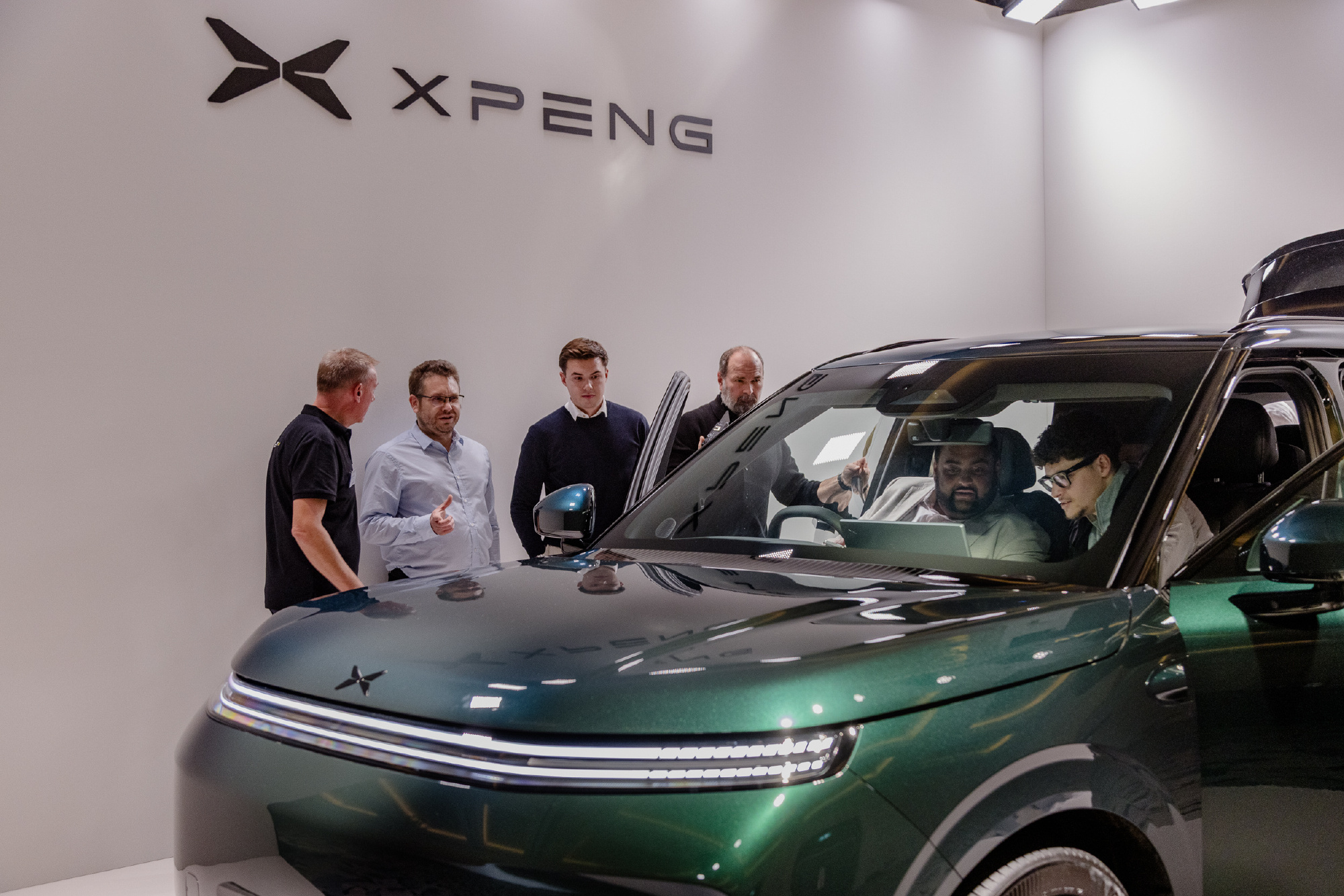
According to a September 28 report by 36Kr, XPeng plans to consolidate its four product lines into two.

The increasingly concentrated wave of moves appears to signal that, as competition and profit pressure intensify, the era of “having more children to fight more battles” — with automakers flooding the market with ever more models — is coming to an end.
Instead, companies are shifting toward greater focus and resource sharing, putting more effort into a smaller number of potential volume sellers.
Why have so many moves converged at this particular moment? And where will automakers go after concentrating resources on a smaller number of priorities?
To answer those questions, it is worth looking more closely at what several automakers are doing.
Cutting Back to Concentrate Fire
Let’s start with the latest moves.
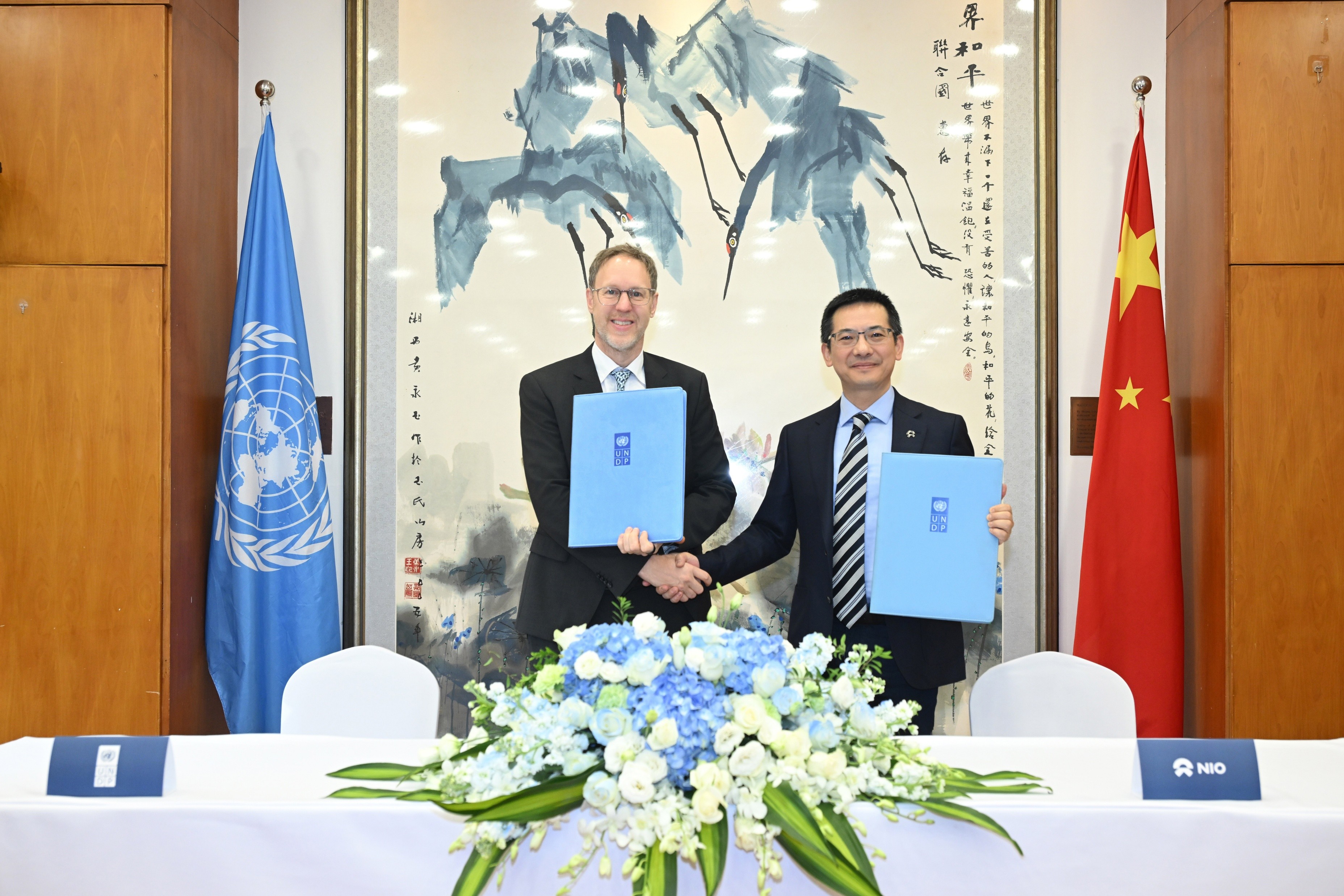
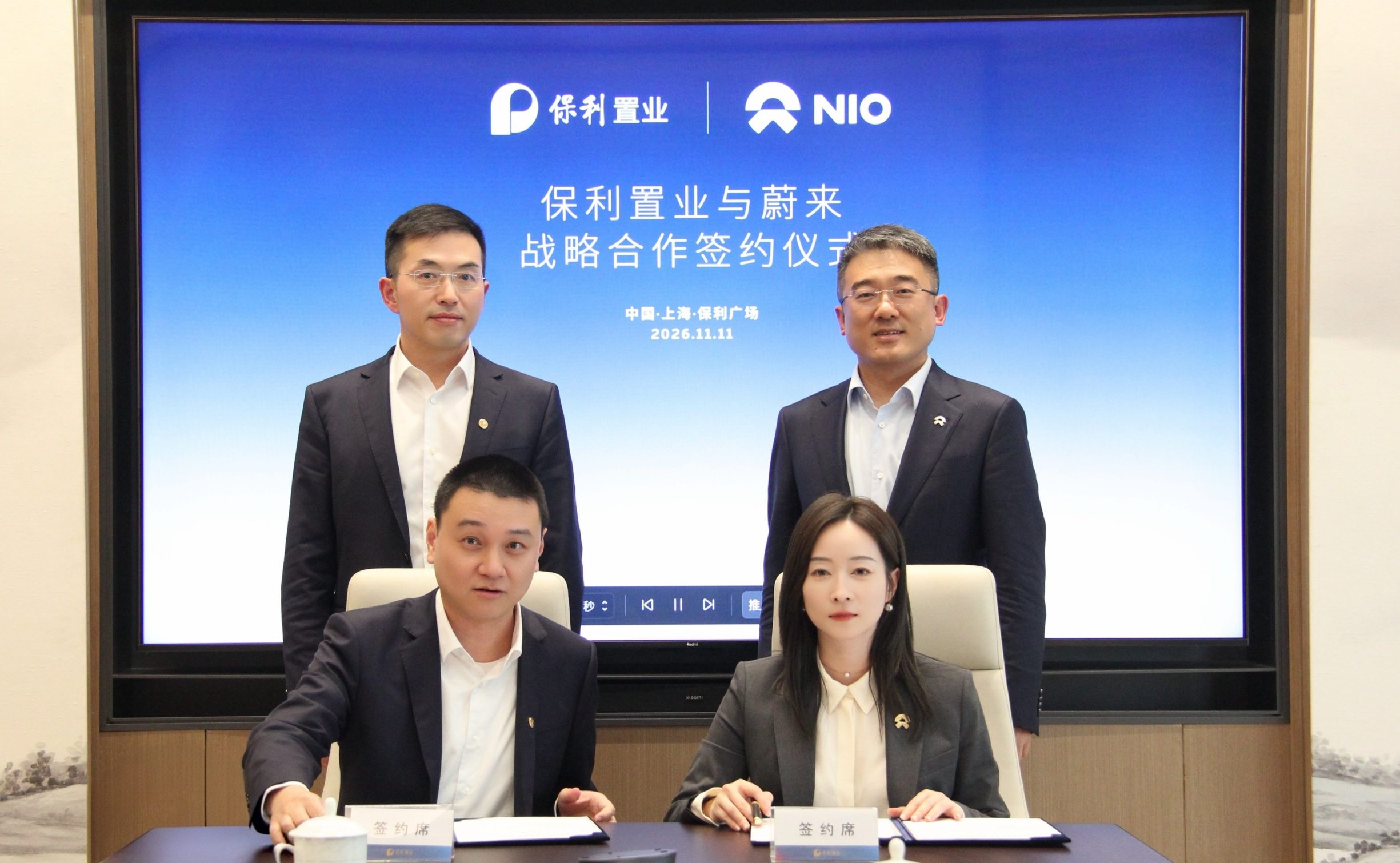
The NIO-Geely partnership is perhaps the clearest example. On September 28, the two companies formally announced a comprehensive strategic partnership covering battery charging and swapping.
Geely will contribute all of its equity in Yiyi Internet, a battery-swapping operator for commercial vehicles, plus RMB 640 million ($95.4 million) in cash to acquire a 30% stake in NIO Power.
NIO will in turn acquire a 10% stake in Geely’s Haohan Energy.
The two sides will fully connect their charging resources, with a goal of building a cumulative 10,000 battery-swapping stations by 2030 and operating commercial and private vehicles through separate networks.

NIO’s battery-swapping alliance has been in the making for three years. Although a number of automakers have announced agreements to join, the alliance has yet to deliver substantial results.
Geely’s decision to enter through a tangible equity-for-equity arrangement could represent another form of resource sharing between automakers, making it more likely that the relevant networks and products will eventually reach actual deployment.
Several other automakers also took steps toward greater integration on the same day.
FAW and GAC, for example, had previously been reported to be considering cooperation. GAC issued 16 announcements that evening, outlining a plan to acquire a 50% stake in FAW Toyota through a share issuance.
The following day, September 29, the two companies jointly announced that they had formally signed a strategic cooperation framework agreement.

The deal is closely tied to Toyota’s nearly 30-year joint-venture model in China.
Put simply, if the two automakers move forward with cooperation, it could break up the long-standing pattern in which FAW Toyota and GAC Toyota have operated largely independently.
A similar shift had already taken place at Volkswagen Group, although through a different approach.
Volkswagen’s three joint ventures in China have pursued a “technology sharing” model.
SAIC Volkswagen, FAW-Volkswagen and Volkswagen Anhui, for example, share the CEA electronic and electrical architecture jointly developed with XPeng, with five models based on the platform scheduled to launch this year.

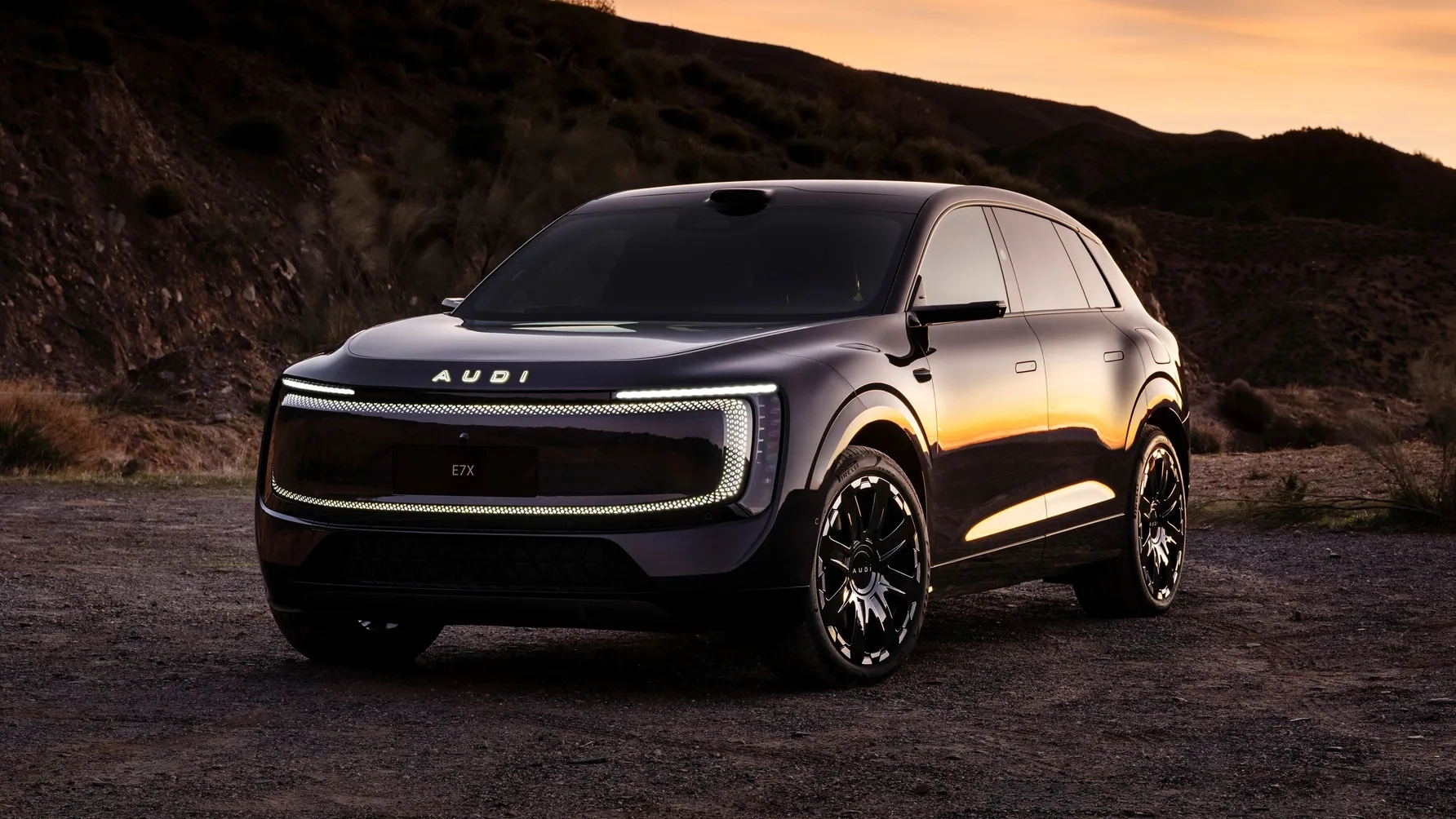
The “Toyota South-North” structure is moving in the opposite direction. According to Caijing Auto, all four-ring-badge operations could eventually be placed under FAW Audi, while SAIC Audi would operate only the “AUDI” brand without the four-ring logo.
That could bring an end to the arrangement in which the two companies have sold vehicles under the same four-ring brand since 2021, although no such plan has been officially announced.
Among Chinese brands, meanwhile, various forms of consolidation and retrenchment have also emerged over the past year. The latest example is Changan’s “AD synergy” plan.
Changan first proposed the “AD synergy” initiative in April. According to the latest reports from outlets including Yicai, personnel appointment documents for the AD Synergy Development Department have been issued.
Deng Chenghao, chairman of Deepal, will also serve as its general manager, while Chen Zhuo, president of Avatr Technology, will concurrently serve as executive deputy general manager.

Deng Chenghao explained that the purpose of “AD synergy” is to push platformization in areas where technologies have become increasingly homogeneous, pool high-quality resources and improve product quality, while channeling the resources saved through platformization into new technologies that can lead the next stage of competition.
Deng’s explanation may broadly capture the logic behind the recent wave of consolidation and alliances across the auto industry: concentrate resources and reduce internal duplication to cope with intensifying competition, while directing limited R&D and marketing budgets toward more competitive core technologies and flagship products.
The NIO-Geely partnership is an exception in some respects, but its underlying logic of promoting resource sharing is similar to that of other automakers.
Of course, consolidation and retrenchment are not simply about organizational restructuring.
They also mean redirecting limited resources toward products with greater competitive potential.
Fewer Models, Bigger Bets
As noted above, the realignment of automakers at the organizational level could also mean that product lines with overlapping positioning, weak sales or internal conflicts are increasingly likely to be “optimized.”
Toyota may be one of the clearest examples. FAW Toyota and GAC Toyota have a number of similarly positioned models, including the Sienna and GAC Toyota’s Sienna-based model, as well as the Corolla and Levin.
These “sibling models” formed the backbone of Toyota’s two-model strategy in China, but may also have dispersed marketing resources and created internal competition.
Where the “Toyota South-North” structure ultimately goes remains unclear, however, so such speculation should be treated only as a reference point.
Before that, some automakers had already begun streamlining their product portfolios in different ways.
The latest example is XPeng. According to 36Kr, XPeng plans to consolidate its F, D, I and G product lines into G and D.

The F line, which previously handled P-series sedans, and the I line, which was responsible for overseas products, will be folded into the G line, which will take over the definition and R&D of sedans, SUVs and overseas products.
The D line, which currently has the strongest sales performance and includes the MONA product family, will be retained.
Changan, Volkswagen and Nissan, meanwhile, are cutting back at the model-portfolio level.
According to official disclosures, Changan plans to reduce its model count from 63 to 36 over the next five years.
It will discontinue the Lumin below RMB 50,000 ($7,450) and concentrate resources on one model targeting annual sales of 500,000 units and five models targeting 300,000 units each.
Volkswagen, which has recently been the subject of repeated layoff reports, plans to cut its global model lineup by 50% by 2035.
Nissan plans to reduce its model count from 56 to 45 and aims to concentrate 80% of sales in three core vehicle families.
Some of the retrenchment is also taking place quietly, beyond public view.
Automotive blogger Wu Pei said in August that many automakers had already begun quietly holding back models under development, reducing the number of new launches and putting their bets on a handful of potential volume sellers.

These moves reflect a growing realization that the indiscriminate expansion of previous years has made the “more models, more firepower” strategy increasingly ineffective.
Rather than spreading resources across a large number of models, automakers are finding it more rational to concentrate budgets on products genuinely capable of generating volume.
From the outside, this could prompt the question: “Why didn’t they do this earlier?”
But from an automaker’s perspective, rapid expansion and the current shift toward consolidation are simply different responses to different stages of the market.
Why the Shift Now?
That brings us to the final question.
Looking back at China’s auto market in the first half of 2026, more than 600 new vehicles were launched across the market, including an estimated 165 all-new models, according to industry estimates.
The sheer number of launches may suggest a vibrant market, but beneath that surface lies intense competition.
China Automotive News previously calculated that during the first half of 2026, around 60 models recorded single-digit cumulative sales based on end-user registrations.
Some models registered only one to three units in an entire month.
Meanwhile, rising raw-material costs and other factors pushed the automotive manufacturing industry’s revenue-to-profit ratio to 3.8% in the first half.
Under the China Association of Automobile Manufacturers’ definition of the “vehicle manufacturing segment,” the profit margin was just 1.5% in the January-May period.
Seres, which had reported nine consecutive quarters of profitability, recorded a RMB 1.717 billion ($256 million) net loss attributable to shareholders in the second quarter of this year.
Chairman Zhang Xinghai said publicly at the Chongqing Automotive Forum that per-vehicle costs had increased by RMB 15,000-20,000 ($2,240-$2,980).
XPeng reported a net loss of RMB 1.34 billion ($200 million) in the second quarter, while its automotive gross margin fell to 12.1% from 14.3% a year earlier.

These figures help explain why automakers are consolidating and cutting back at this particular moment. “They are not making money” may be the most straightforward explanation.
The contraction of China’s overall auto market in 2026 has also forced automakers to reassess the rapid expansion of previous years.
On the policy front, the “15th Five-Year Plan for the Development of the Intelligent Connected New Energy Vehicle Industry” issued by the Ministry of Industry and Information Technology and eight other government departments calls for action on new production capacity, including greater use of legal mergers and acquisitions and cross-regional consolidation.
Against that backdrop, whether driven by market pressure or policy guidance, retrenchment and consolidation have become increasingly logical responses.
“Winter” and “knockout competition” have become recurring themes in China’s auto industry this year, but consolidation is not the answer for every automaker.
Xiaomi, for example, launched its first model in 2024 and is still in an expansion phase, filling out its product portfolio.

Leapmotor, meanwhile, has pushed its in-house development system to maximize cost efficiency and operational efficiency.
It has instead broken through to profitability amid the fierce price war, making it one of the few emerging automakers to grow against the broader market trend.
Another way to put it is that automakers’ current retrenchment looks more like a corrective response to overly rapid expansion in the previous phase.
At the same time, the other side of concentrating resources on potential hit products is that the margin for product failure may become much smaller.
The underlying goal of narrowing their battle lines is to generate better results with limited resources.
As some observers have suggested, China’s auto market is shifting from an incremental-growth phase to a stock market, making “surviving the downturn” a higher priority than simply “moving up the ladder.”