- GAC will acquire a 50% stake in FAW Toyota via share issuance at RMB 5.75 per share, positioning the company to consolidate Toyota’s two Chinese joint ventures and rationalize resources.
- FAW Toyota sold 273,700 vehicles January–August 2026, down 27.4% YoY, bZ3 ~10,300 units and bZ5 ~7,000; GAC expects investment income from the 50% stake.
- The deal targets NEV competitiveness versus GAC Toyota’s stronger NEV sales, but execution risks include integrating product roadmaps, reallocating NEV resources, and timing regulatory approvals.
GAC Group plans to acquire a 50% stake in FAW Toyota Motor Co. from FAW Group through a share issuance, alongside a plan to raise additional funds. The automaker announced the proposed transaction on September 28.
Under the deal, GAC Group will issue shares at RMB 5.75 apiece. Its shares will resume trading on September 29. Once the transaction closes, GAC Group and Toyota Motor Corporation will each hold a 50% stake in FAW Toyota.

The deal follows earlier moves by GAC Group. On September 14, the company suspended trading in its shares as it prepared a major asset restructuring. Later that day, it announced that it had signed a letter of intent with FAW Group to acquire part of the equity in a vehicle joint venture through a share issuance.
At the time, market speculation pointed to FAW Toyota as the potential target, but GAC Group did not disclose the company’s name. The formal announcement has now confirmed those expectations.
GAC Group said the transaction could improve its investment income and net profit. It also expects the two sides to improve operating efficiency by combining resources.
The acquisition comes as FAW Toyota faces mounting pressure on both sales and its transition to new energy vehicles (NEVs).

From January to August 2026, FAW Toyota sold 273,700 vehicles, down 27.4% YoY. Its NEV lineup has yet to gain significant traction. The bZ3 sold around 10,300 units over the period, while the bZ5 recorded approximately 7,000. The bZ4X has yet to achieve meaningful sales volume.
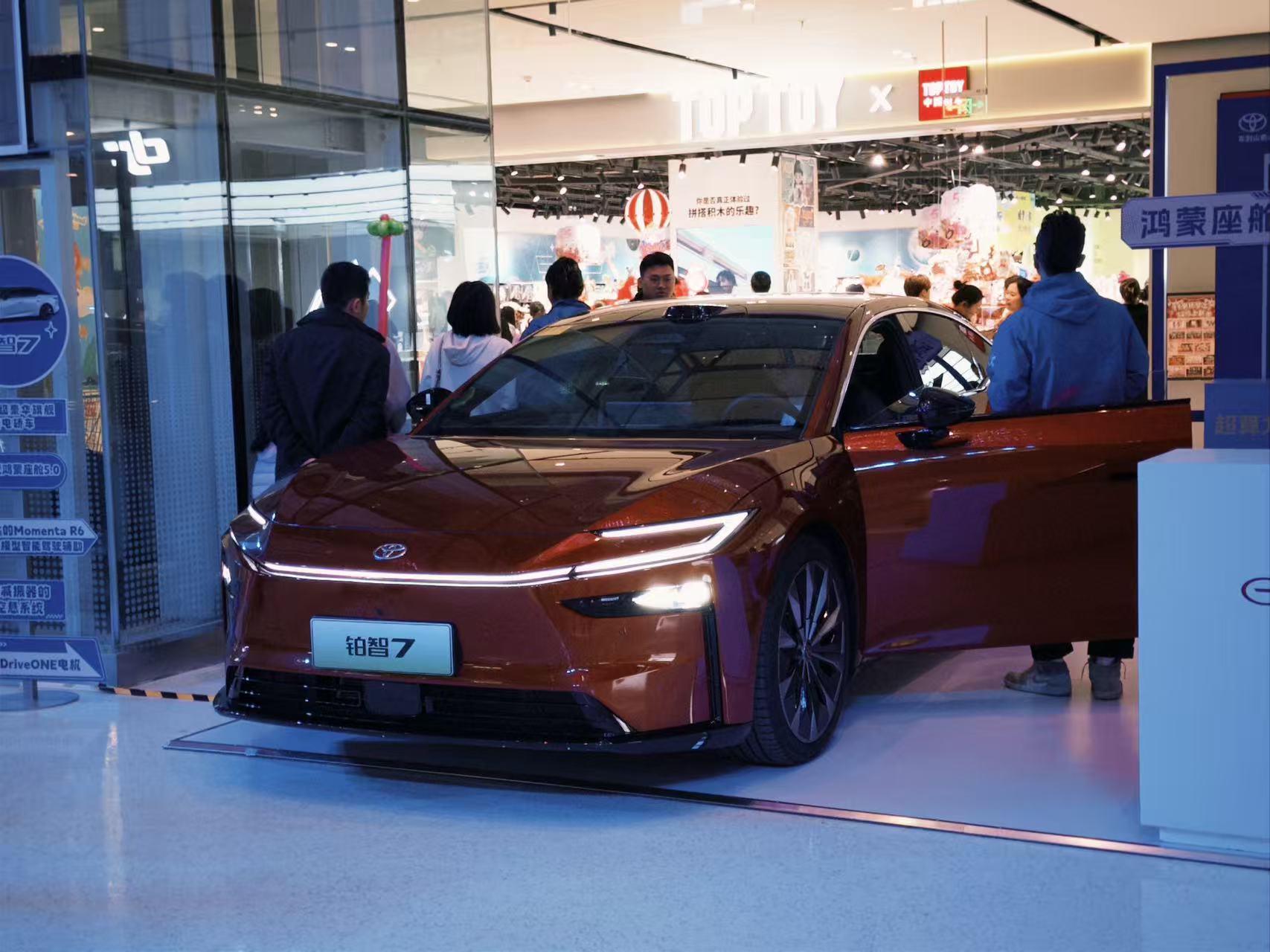
GAC Toyota, by contrast, has established a stronger foothold in the NEV market. In the first eight months of 2026, the Bozhi 3X sold around 60,000 units, followed by 14,700 for the Bozhi 7 and roughly 1,000 for the Bozhi 4X. The two Toyota joint ventures are now at noticeably different stages of their NEV transitions.
The gap reflects broader changes in China’s auto market. Retail sales of passenger vehicles fell 20.8% YoY from January to August 2026, while NEVs accounted for 65.2% of passenger-car retail sales in August.
As NEVs take a larger share of the market, traditional internal combustion engine vehicles face mounting pressure. Joint ventures are also under increasing pressure to reallocate product development and operational resources.

Against this backdrop, closer coordination between Toyota’s two Chinese joint ventures in product planning, supply chains, manufacturing facilities and sales networks could reduce duplicated investment and channel more resources into NEV development.
The transaction also carries financial implications for GAC Group. FAW Toyota reported net profits of approximately RMB 4.717 billion in 2024 and RMB 4.234 billion in 2025. After the deal closes, GAC expects its 50% stake in the joint venture to generate investment income and improve its earnings.
The deal comes as China’s auto industry steps up resource consolidation.
The 15th Five-Year Plan for the Development of the Intelligent Connected New Energy Vehicle Industry (2026–2030), released in September, calls for further restructuring of the auto industry. The Ministry of Industry and Information Technology (MIIT) later said it would support market-driven mergers and acquisitions among major automakers and the integration of R&D and production resources to reduce redundant investment and homogeneous competition.

GAC’s acquisition of a 50% stake in FAW Toyota is therefore more than a financial investment. Toyota’s two Chinese joint ventures have long operated independently, with separate product, R&D, supply chain and sales systems. The change in ownership creates more room for resource integration.
The actual extent of these synergies will depend on subsequent changes. With FAW Toyota lagging in NEV sales, the speed of product development and whether NEV resources can be integrated will matter more than the ownership change itself.
Discover more from ChinaEVHome
Subscribe to get the latest posts sent to your email.