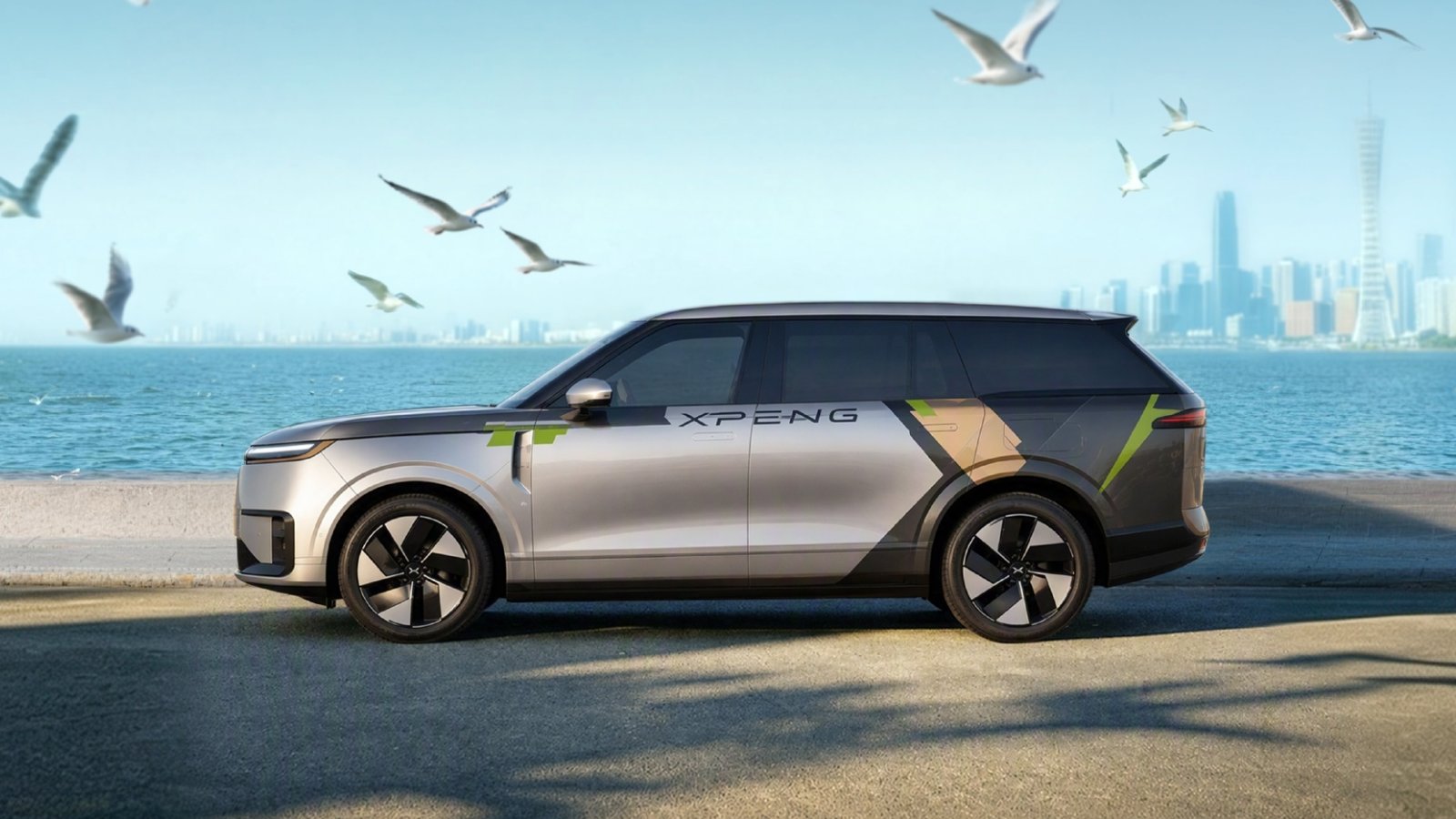
XPeng plans to mass-produce vehicles capable of Level 4 autonomous driving by 2026 and, once regulatory approval is granted, to launch pilot Robotaxi operations in select regions.
In an interview aired on CNBC yesterday, XPeng Vice Chairman and Co-President Dr. Brian Gu revealed that the company will announce new developments for its first mass-production Robotaxi at its upcoming AI Day on November 5.
Gu said traditional rule-based autonomous driving systems have “clear limitations,” but since integrating AI technology three years ago, XPeng has made “transformational progress” in driving automation.

According to Gu, AI-powered vehicles now deliver much higher operational efficiency, handle more complex and diverse road conditions, and respond to potential driving risks with greater agility.
Discussing broader trends, Gu noted that Robotaxi services “will ultimately become a global phenomenon,” though rollout timelines will vary depending on regulatory and infrastructural readiness. He expects China and several developed nations to lead initial deployments before gradual global expansion.
Gu emphasized that achieving true autonomous driving depends on three pillars: full-stack AI capability, in-house computing power, and access to large, high-quality datasets.
XPeng is developing dedicated AI models for mobility applications, supported by its self-designed “Turing AI chip,” which delivers the necessary computational performance.

Each XPeng vehicle can process over 2,000 data clips to train and continuously optimize its large-scale driving models. Together, these three elements form the technological foundation of XPeng’s autonomous driving strategy.
XPeng’s ambitions in Robotaxi development have been unfolding for some time. In August, Chairman and CEO He Xiaopeng said the company aims to mass-produce Level 4-capable vehicles in 2026 and to initiate pilot Robotaxi services in selected regions after regulatory clearance.
He stressed that XPeng’s approach differs from most L4 systems, which rely on aftermarket retrofitting. Instead, XPeng’s Robotaxi will feature a factory-installed setup with a fully integrated software, hardware, and computing stack.

He also noted that XPeng’s Robotaxi system operates without high-definition maps, using a “map-free” architecture that allows faster deployment across cities without the need for new scanning or mapping, greatly improving scalability.
During early testing, XPeng plans to operate its own Robotaxi fleet, and if results fall short of expectations, the company may explore partnerships to accelerate commercialization.
Discover more from ChinaEVHome
Subscribe to get the latest posts sent to your email.