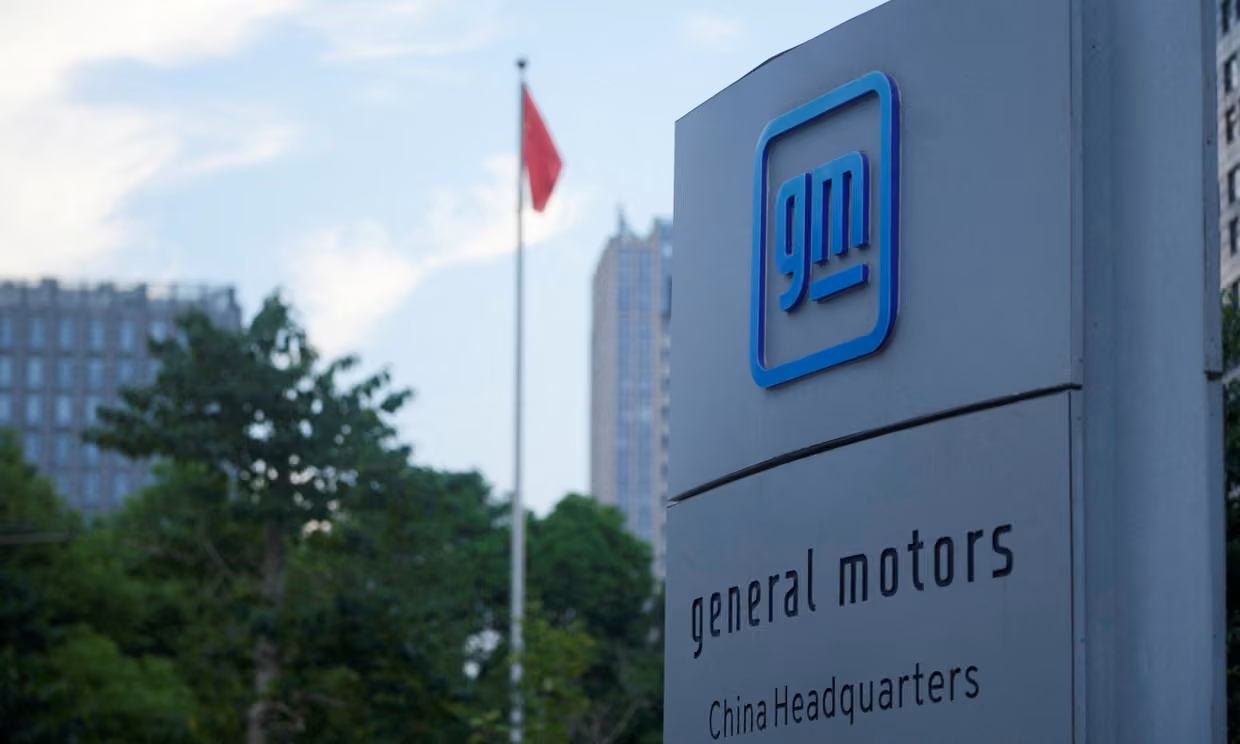
GM’s latest adjustment primarily targets its North American vehicle production, favoring local sourcing while accepting alternative suppliers from outside China.
General Motors (GM) has instructed thousands of its suppliers to remove China-made components from their supply chains and gradually relocate sourcing outside of China over the next several years, according to a report from Reuters, citing people familiar with the matter.
According to the sources, GM has begun asking suppliers to seek alternative sources for raw materials and parts outside of China. Some suppliers have been given a final deadline of 2027 to terminate procurement relationships with Chinese firms.

The plan, which was initially set to begin by the end of 2024, has gained urgency this year as U.S.–China trade frictions intensified. GM executives reportedly see the move as part of a broader effort to bolster the automaker’s “supply chain resilience” and reduce exposure to risks stemming from tariffs, export controls, and geopolitical uncertainty.
The restructuring primarily targets GM’s North American vehicle production operations. The company prefers local sourcing but will also accept alternatives from countries other than China. In addition to China, nations such as Russia and Venezuela—both facing U.S. trade restrictions over national security concerns—are on a similar exclusion list.
GM has already been pursuing “de-Chinafication” in key material areas. It has partnered with U.S. rare-earth suppliers and invested in a Nevada lithium mine to secure materials for its electric vehicle batteries.

However, the current directive is far broader in scope, encompassing everything from electronic components to base materials.
For suppliers, moving production out of China poses both financial and logistical challenges. Over the past two to three decades, China has built a comprehensive automotive parts ecosystem that offers unmatched cost and technical advantages.
Collin Shaw, head of the Motor & Equipment Manufacturers Association (MEMA), said many companies are attempting to “de-risk” their operations, but fully eliminating dependence on China in the short term is nearly impossible. “You can’t rebuild in a few years what took decades to develop,” Shaw noted.
GM has declined to comment on discussions with suppliers. CEO Mary Barra said during a recent earnings call that the company continues to advance its localization strategy—sourcing as close as possible to its production sites—and emphasized that supply chain security is “as critical as cost efficiency.”
Discover more from ChinaEVHome
Subscribe to get the latest posts sent to your email.