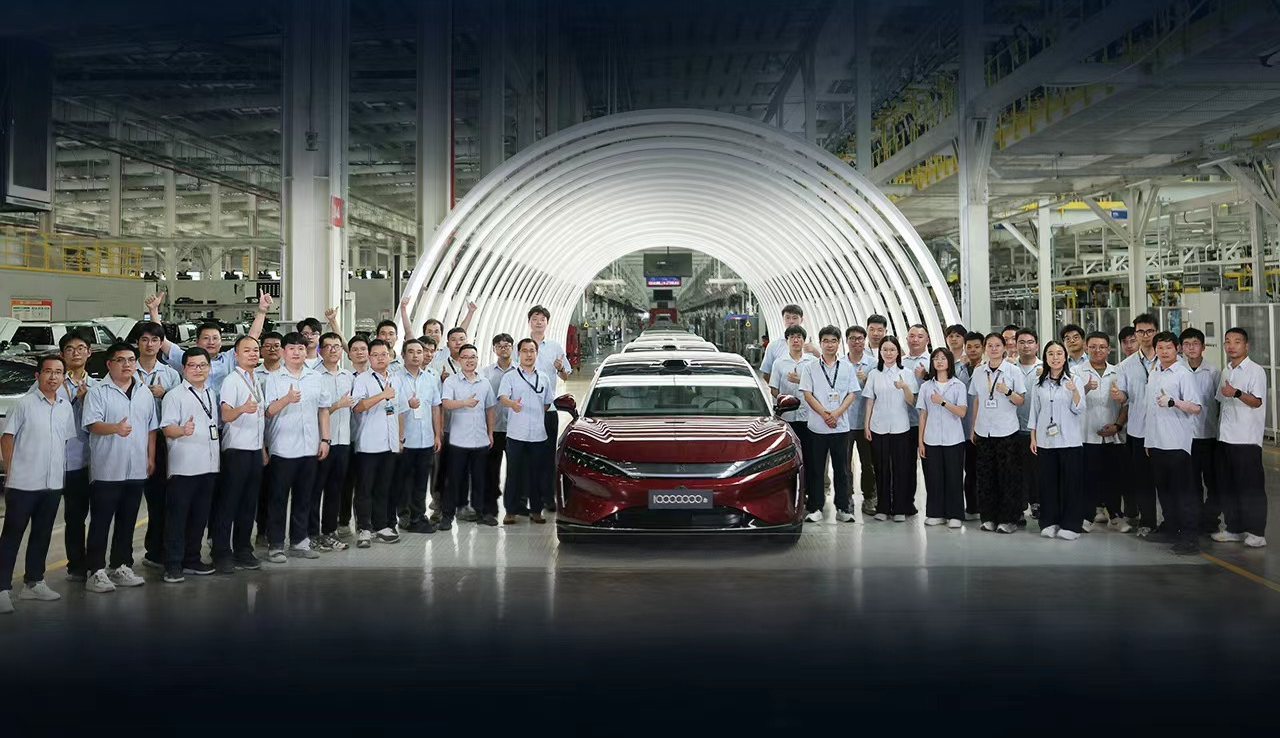
- BYD registered 13,350 vehicles in the EU in October, up 195% with a 1.5% market share;
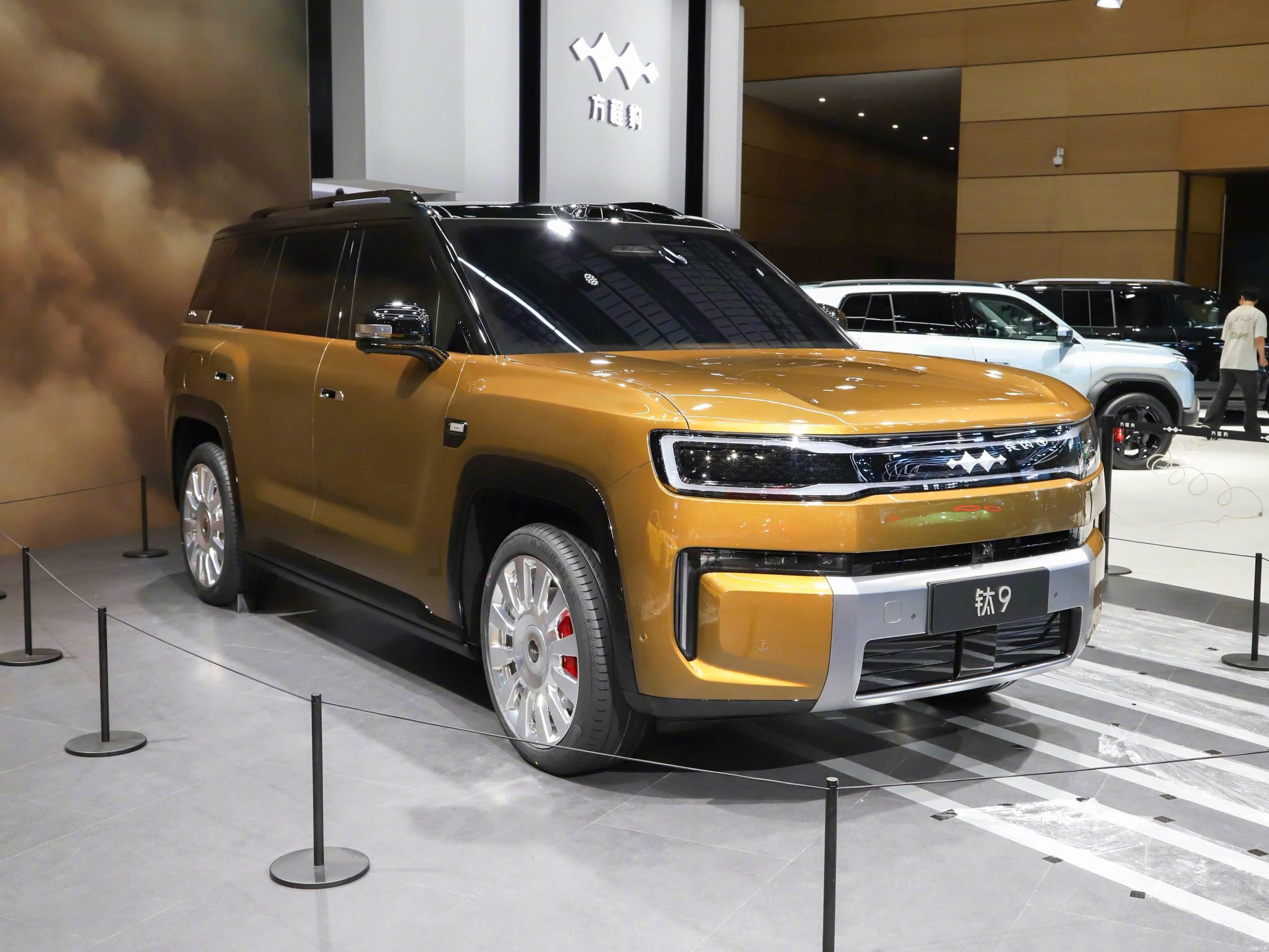
- SAIC registered 18,847 vehicles, up 56% with a 2.1% market share;
- Tesla falls 48% to 5,647 units, with market share dropping to 0.6%.
The European Automobile Manufacturers’ Association (ACEA) reported that EU new-car registrations reached 916,609 units in October, an increase of 5.8% year on year. Including the UK and EFTA countries, registrations totaled 1,091,904 units, up 4.9%.

Battery-electric vehicle (BEV), hybrid-electric vehicle (HEV), and plug-in hybrid (PHEV) registrations rose 38.6%, 9.4% and 43.2%, respectively.
Together, they accounted for about 63.9% of total registrations across the EU, compared with 55.4% a year earlier.
Electrification continues to accelerate. As of the end of October, the EU registered 1,473,447 BEVs, representing 16.4% market share, significantly higher than 13.2% last year.
HEVs remain the dominant choice for European consumers, with 3,109,362 units registered and a 34.6% share. PHEVs reached 819,201 units, accounting for 9.1%. Petrol and diesel vehicles declined to 27.4% and 9.2% market share, respectively.

Across major markets, Germany grew 7.8%, the UK 0.5%, Spain 15.9%, and France 2.9%, while Italy fell 0.5%.
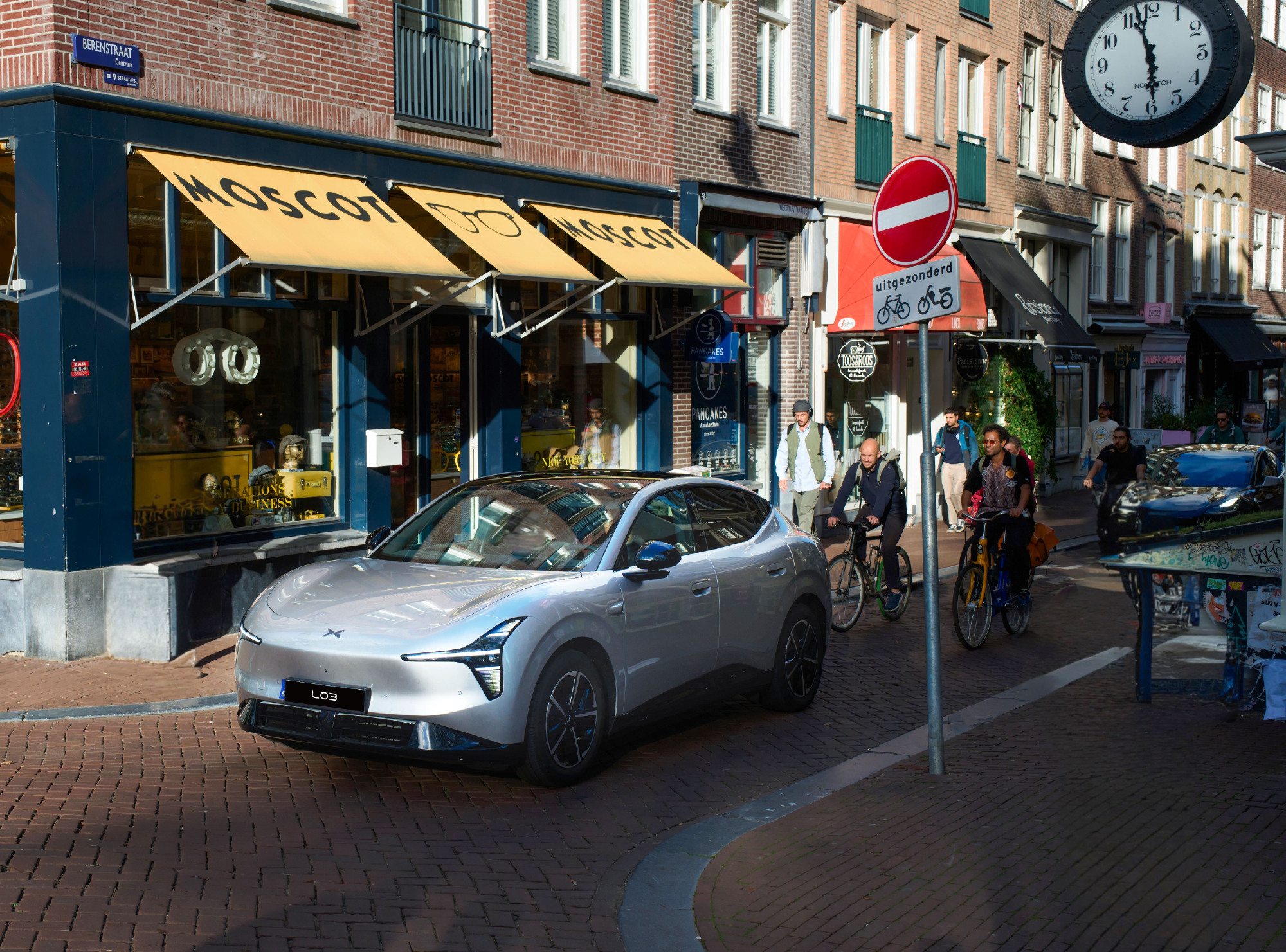
Chinese auto brands continued strong momentum in Europe. According to Dataforce, combined sales in October reached nearly 75,000 units, almost doubling year on year and capturing a 6.8% market share.
BYD registered 13,350 vehicles in the EU in October, up 195% year on year and holding a 1.5% share. Including EFTA and the UK, BYD’s total reached 17,470 units, up 206.8%.

SAIC posted 18,847 registrations in the EU, rising 56% with a 2.1% market share. Including EFTA and the UK, total sales reached 23,860 units, up 35.9%.
In contrast, Tesla faced mounting pressure. EU registrations fell 48% to 5,647 units, and market share declined to 0.6%. Including EFTA and the UK, Tesla’s total was 6,964 units, down 48.5%.

Overall, Europe’s car market is gradually recovering from last year’s low base, but the powertrain mix is shifting rapidly. BEV and HEV models are becoming mainstream, while ICEs continue to lose ground.
Meanwhile, the rapid expansion of Chinese brands is reshaping the competitive landscape, pushing traditional European automakers to accelerate electrification.
Discover more from ChinaEVHome
Subscribe to get the latest posts sent to your email.