In Han’s view, models that still rely on safety drivers or use remote fallback systems, or those that simply rebrand L2++ as Robotaxis, cannot be considered “true L4.”
At the MEET 2026 Smart Future Conference, Tony Xu Han, founder and CEO of WeRide, shared that only three companies in China currently meet the L4 autonomous driving standard: WeRide, Baidu Apollo, and Pony.ai.

He believes that the L4 operation standard requires at least 20 to 30 vehicles forming a fleet, operating continuously for six months without safety drivers, and generating stable commercial orders.
In his view, models that still rely on safety drivers or use remote fallback systems, or those that simply rebrand L2++ as Robotaxis, cannot be considered “true L4.”
As of now, WeRide has deployed more than 1,600 autonomous vehicles globally, with over 750 of those being Robotaxis. This marks a 30% increase in fleet size compared to the company’s U.S. IPO a year ago.
In comparison, Baidu’s Apollo announced in November that their Robotaxi fleet had processed 250,000 orders per week.

Pony.ai reported that its Robotaxi fleet size reached 961 vehicles in Q3, with an average of 23 orders per vehicle daily in Guangzhou.
In the North American market, Waymo’s fleet has grown to about 2,500 vehicles, achieving an efficiency of 45 completed orders per minute.
Unlike many domestic competitors, WeRide has been focusing on the overseas market early on. The company’s Robotaxi services are already operating in over 30 cities across 11 countries, with autonomous driving licenses granted in eight countries.
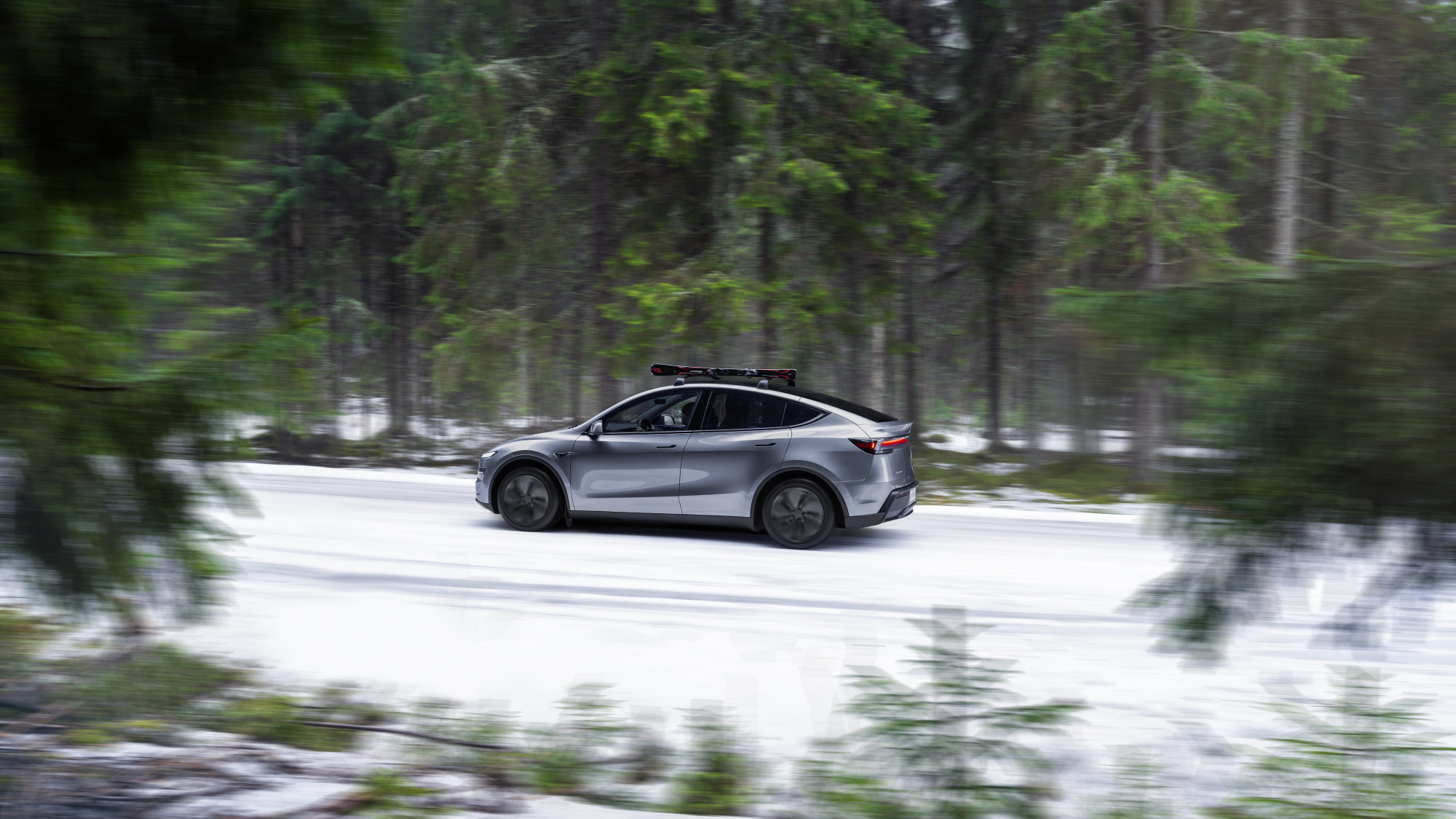
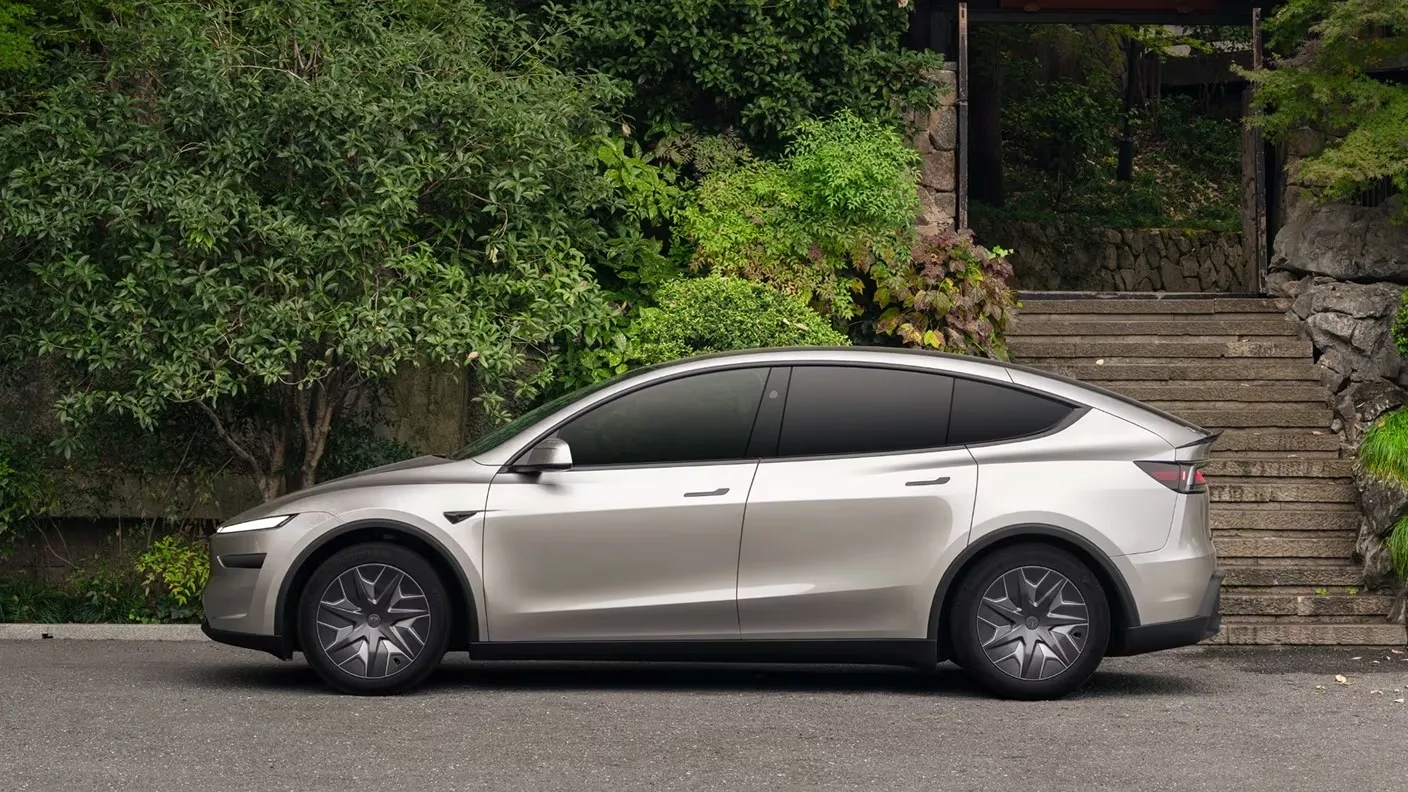
Regarding Tesla’s Robotaxi plans, Han compared them to Waymo’s L4 approach. He argued that if Tesla continues using L2 production models like the Model 3 or Model Y and does not introduce lidar within three years, it may be challenging for them to achieve Waymo’s operational level in San Francisco.

WeRide, however, is not focusing solely on Robotaxis. The company is advancing both L4 Robotaxi and L2+ production-grade assisted driving technologies, aiming to reuse core technologies across both areas.
With rapid upgrades to computing power, the hardware threshold for L4 and L2 autonomy is increasingly converging.
WeRide’s “end-to-end” solution is already in mass production, with collaboration with Bosch on Chery’s Exeed Sterra model.

Looking back at the autonomous driving capital trough of 2019, Han noted that the industry at the time had not yet reached a consensus on the technology path and business model.
Today, according to Han, autonomous driving has shifted from the question of “can it drive?” to “how far can it drive and how safely?”
Discover more from ChinaEVHome
Subscribe to get the latest posts sent to your email.