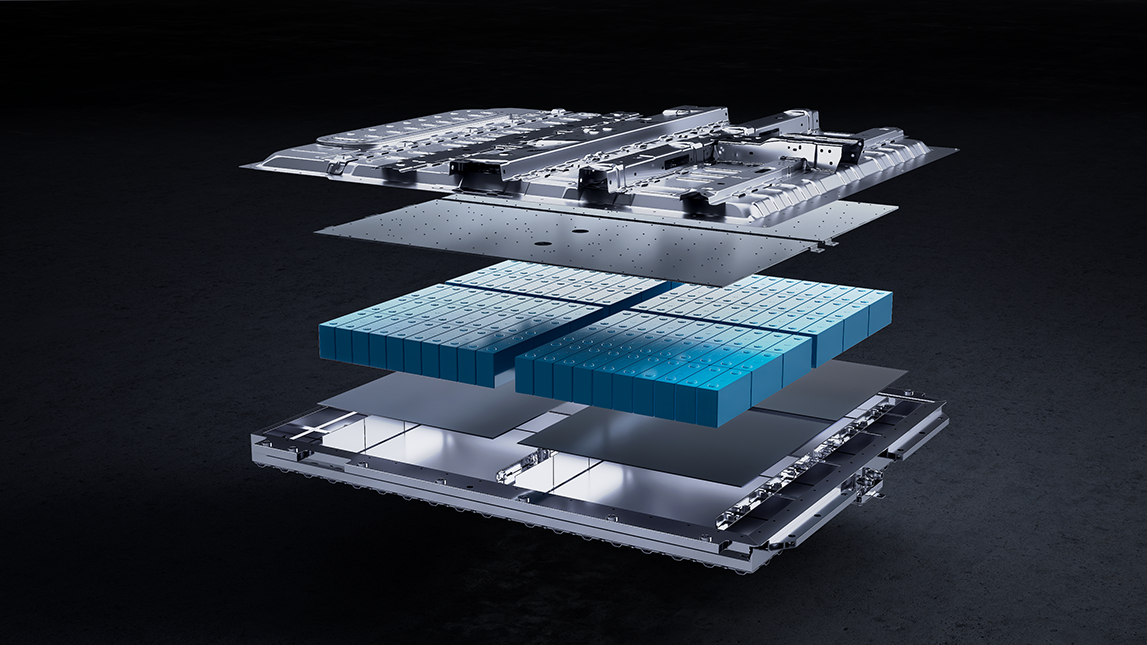
Leading LFP battery makers are raising prices, potentially ending the NEV industry’s long-running price war.
Driven by a comprehensive rise in the prices of raw materials for power batteries, the prolonged “price war” in the new energy vehicle industry may be approaching an inflection point.
Public data shows that in December 2025, the price of battery-grade lithium carbonate repeatedly hit new highs while market inventories continued to decline. For every ¥10,000 increase per ton in lithium carbonate, the cost of lithium iron phosphate cathode materials rises by approximately ¥2,300 to ¥2,500.
It is reported that several leading companies have already begun issuing clear price increase notices to their customers.
Hunan YUNENG has notified its customers that, effective January 1, 2026, it will raise the processing fee for its full series of lithium iron phosphate products by ¥3,000 per ton based on current rates.

Meanwhile, Deegares Energy recently announced that, starting December 16, 2025, the selling price of its battery product series will increase by 15% from the current catalogue price.
Another leading firm, LOPAL TECHNOLOGY, has also initiated price hike negotiations with downstream customers. Although specific increase rates have not yet been disclosed, the company confirmed that the industry as a whole is showing a clear upward trend.
The sharp rise in raw material costs is the direct cause of this round of battery price increases.

As a core raw material for lithium iron phosphate batteries, fluctuations in the price of lithium carbonate directly impact production costs. Since 2025, lithium carbonate prices have repeatedly reached record highs, and inventories have continued to decline.
In addition to lithium carbonate, prices of upstream basic raw materials such as sulfur and sulfuric acid have also been rising. This drives up the costs of intermediate products like phosphoric acid, monoammonium phosphate, and ferrous sulfate, further increasing the overall manufacturing burden for lithium iron phosphate batteries.
Market demand is also providing support for the price hikes. Currently, lithium iron phosphate batteries already account for 81.5% of the installed capacity for domestic power batteries, and their share in the energy storage sector exceeds 90%. Leading companies are generally operating at full production with strong sales, and orders are scheduled into 2026.

Batteries constitute about 40% of a vehicle’s total cost, meaning this round of price increases will be directly passed on to consumers. Industry analysis points out that if battery prices remain high, automakers may be forced to offset costs next year through measures like official price increases or reduced discounts. The resulting rise in final selling prices is estimated to be between 3% and 8%.
It is worth noting that this price hike is concentrated in the lithium iron phosphate technology route, while prices for ternary lithium batteries remain relatively stable. However, given the absolute dominance of lithium iron phosphate in the mainstream market, the vast majority of consumers will find it difficult to avoid the impact of these increases.
Discover more from ChinaEVHome
Subscribe to get the latest posts sent to your email.