ONVO begins full deployment of Coconut 2.1.0, introducing end-to-end city pilot assist and parking capabilities.
Starting last night, ONVO began a full OTA rollout of its Coconut 2.1.0 system. As previously hinted by President Shen Fei, this update brings the long-awaited E2E-assisted driving features, a promise that’s kept many owners (myself included) closely watching.
So—what’s actually new in 2.1.0?
The main highlight is the rollout of pure vision-based E2E city pilot assist. The focus here isn’t simply on adding more “functions,” but on improving performance in complex, high-frequency urban scenarios. ONVO says it’s worked on smoother passage through irregular intersections, roundabouts, and U-turns, along with more refined acceleration and deceleration, pedestrian interaction on narrow streets, and better continuity when bypassing obstacles. Instead of chasing niche capabilities like “parking-to-parking” routing, ONVO is betting on mastering what users encounter daily.

Parking also gets an upgrade—now E2E as well. The system allows for more flexible initiation and longer-range parking paths. It can now identify distant parking spots and navigate to them, even from Park mode. It also lowers the bar on strict conditions like vehicle orientation, whether the car has passed the spot, or if the lines are fully visible. Less rigidity, more flow.

But limitations remain. ONVO openly notes the system lacks image-language comprehension. That means it can’t read signs in parking garages—so yes, it might still drive into the wrong lane or a dead end. It’s a work in progress.
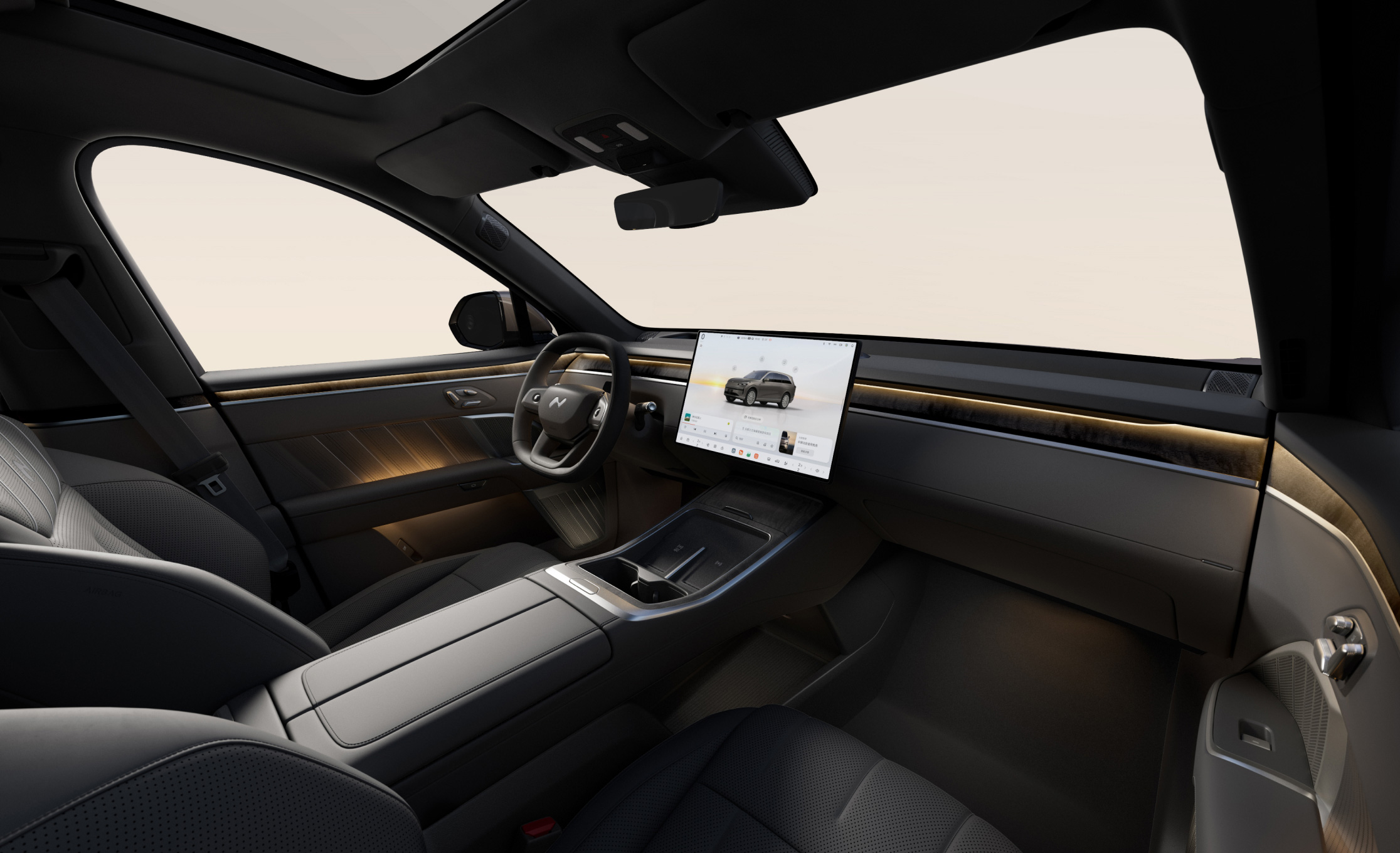
Inside the cabin, the voice ordering agent has expanded from McDonald’s to KFC. It now supports store selection, order customization, payment, and navigation. A cart function allows multiple items to be added and checked out at once, and account-linked coupons are now usable.

In terms of safety, ONVO adds a new “Door Open Warning” system. When the car is stationary and a seatbelt is unbuckled or a door is opened, the center and rear displays now show a live feed of blind spots behind the car. If another vehicle is approaching, it overlays a red warning icon and plays an alert sound.
That’s not just for show. According to the Ministry of Public Security, roughly 9.2% of all non-motor vehicle accidents in China stem from improperly opened car doors—translating to 8,000 to 10,000 incidents a year. A visual, proactive warning system is a meaningful step toward cutting down “dooring” accidents.

Other refinements include wet-weather driving suggestions via voice, merged map and charging results in the navigation UI, broader support for voice and rear-seat controls, a new Bluetooth key range setting with three options, a merged energy and trip info card, and a tire pressure card. Small quality-of-life improvements—like auto-lowering music volume when a door opens—have also been added.
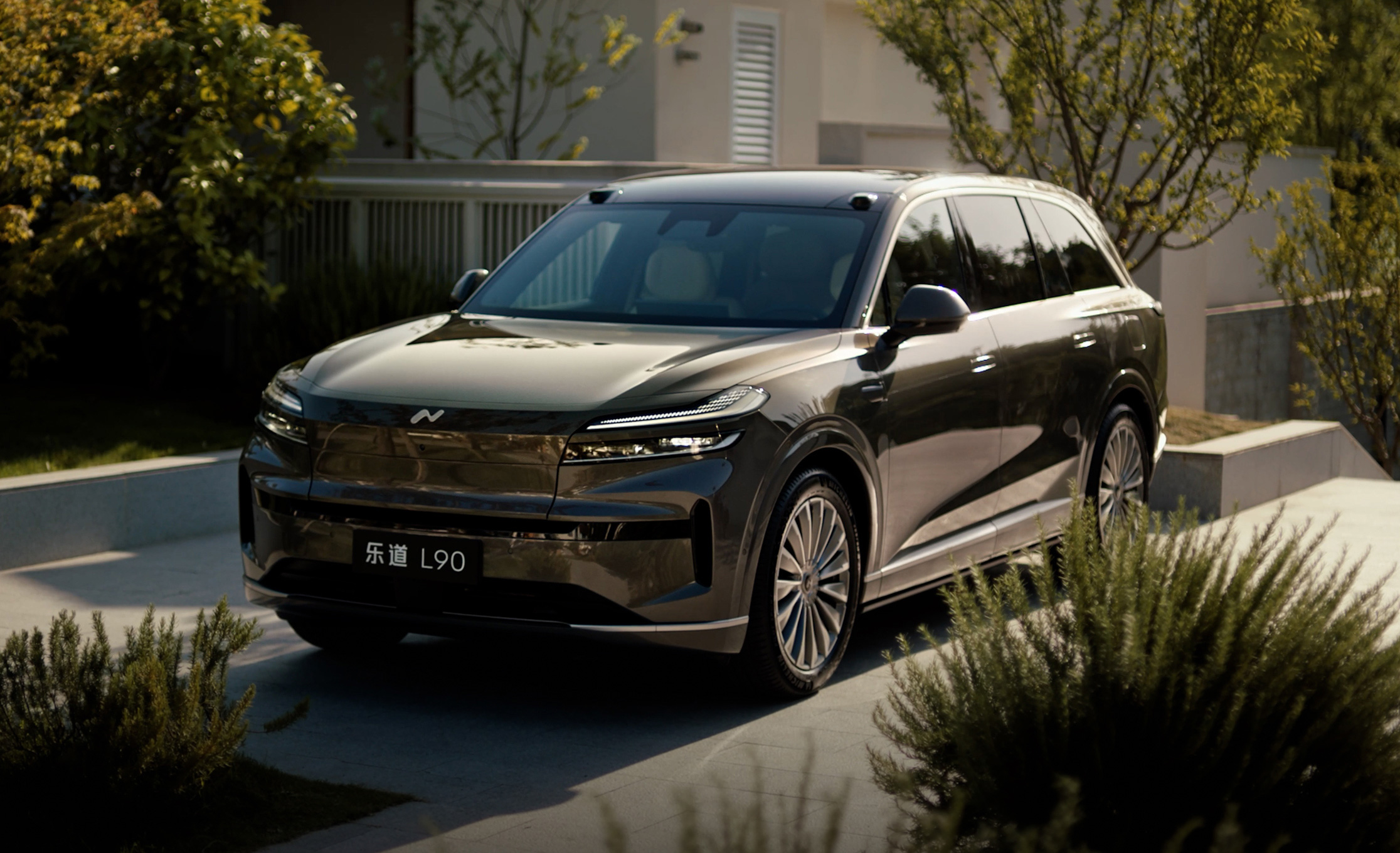
For the ONVO L90 specifically, a new “vision + front ultrasonic” fusion logic now powers the hood safety mechanism, reducing false triggers from falling objects.

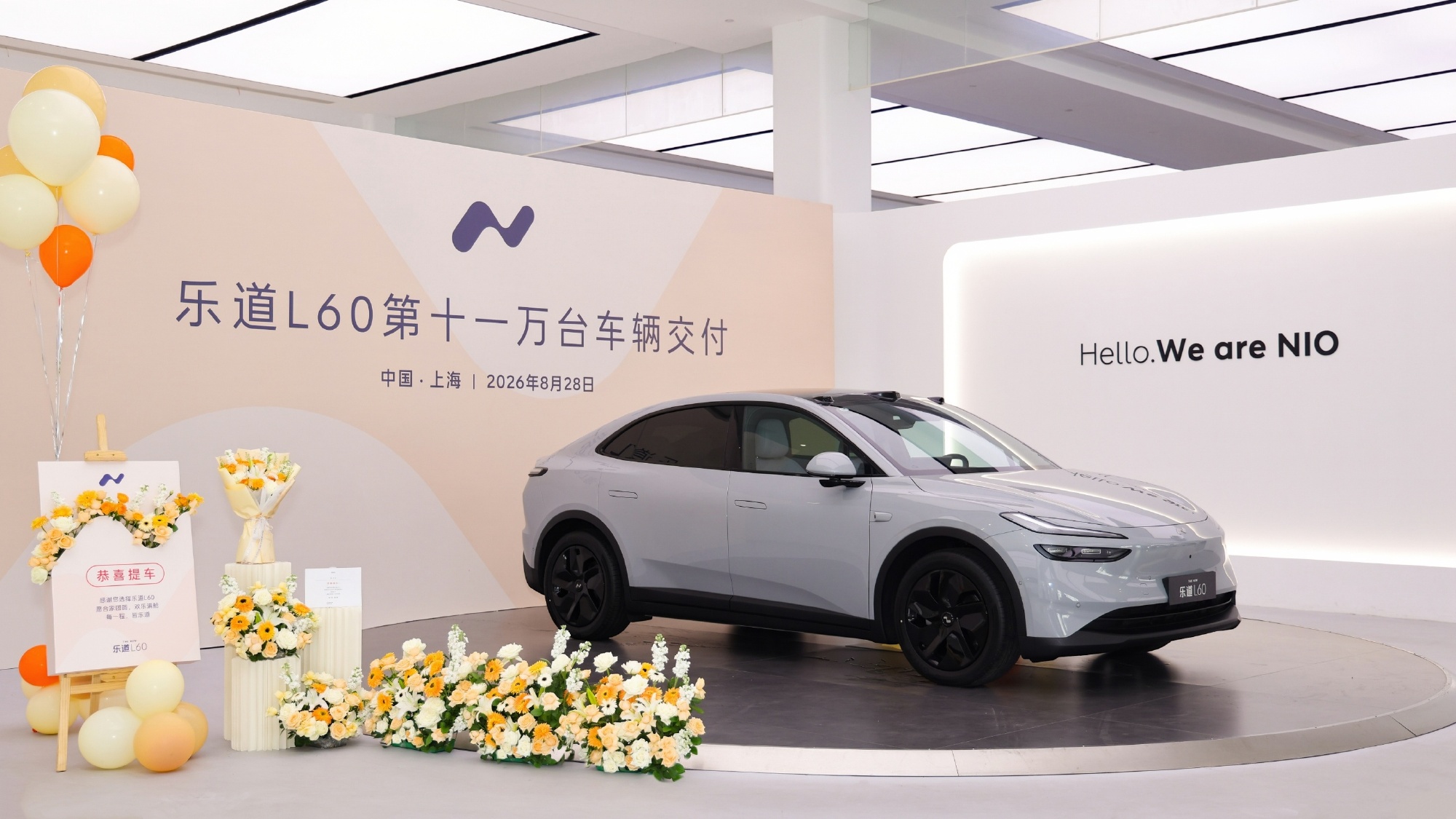
From a delivery standpoint, ONVO delivered 98,581 vehicles from January to November, with nearly 40K L90s shipped in just four months. For brands in this scaling phase, consistent performance in high-frequency daily scenarios matters far more to users than rare, showpiece features. And ONVO seems to know that.
In all, Coconut 2.1.0 focuses on three big pillars: real-world rollout of E2E city pilot assist, bringing parking into the E2E fold, and rounding out in-cabin experience and safety. A solid step forward.
Discover more from ChinaEVHome
Subscribe to get the latest posts sent to your email.