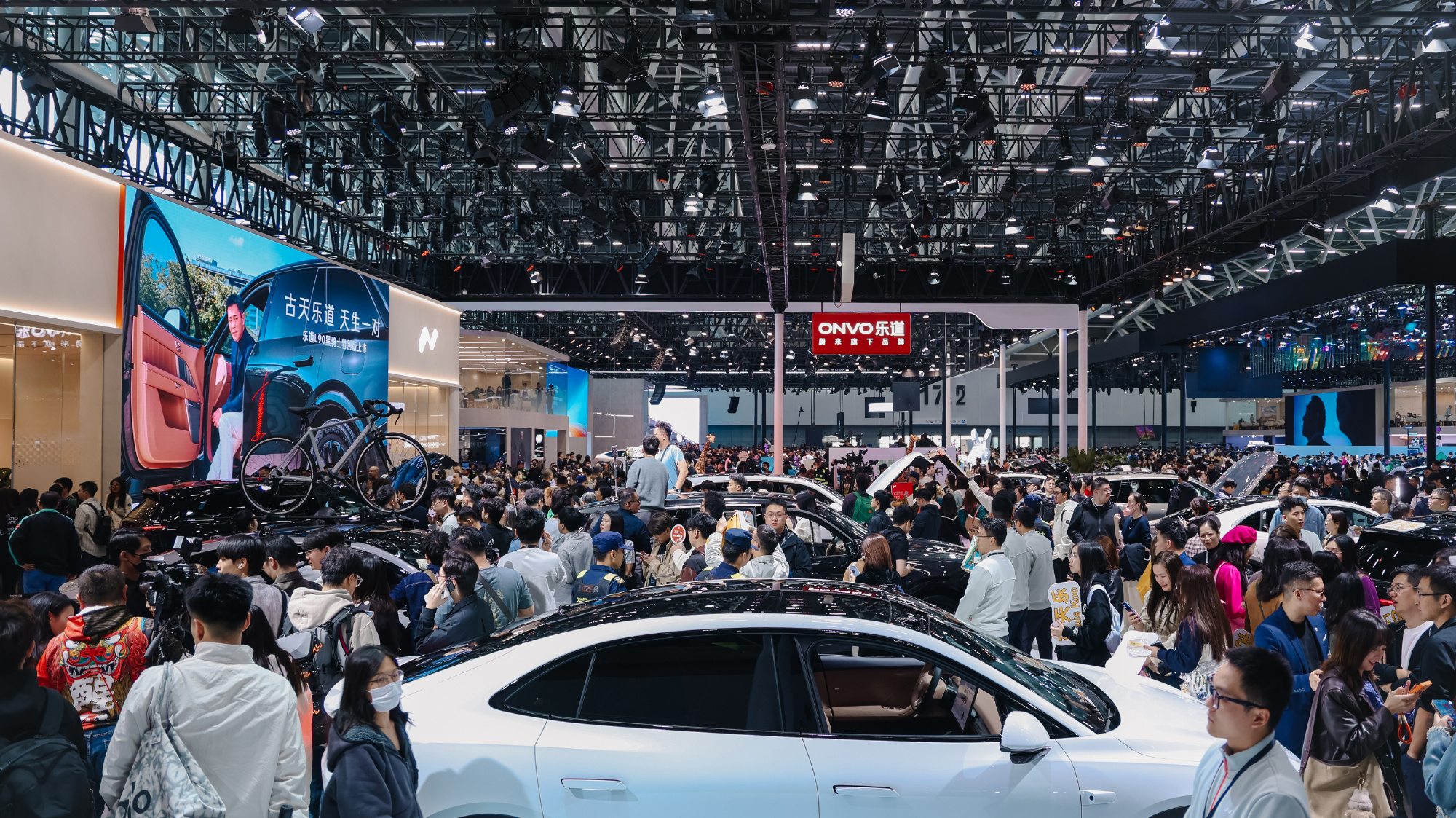
From Dec 1–28, China’s passenger-vehicle (PV) retail sales reached 1.928M units (-17% YoY, -3% MoM), while wholesales totaled 2.134M units (-19% YoY).
China’s PV market slowed in December 2025, while new energy vehicles (NEVs) stayed relatively resilient.
According to CPCA data, PV retail sales from Dec 1–28 came in at 1.928M units, down 17% year-over-year and 3% month-over-month. Automaker wholesales over the same period totaled 2.134M units, down 19% YoY and 19% MoM.
On a weekly basis, the pace was uneven. Average daily retail sales in the first week were 42K units, down 32% YoY. The next two weeks improved to 67K and 77K units per day, though still down 17% and 11% YoY, respectively. In the fourth week, daily retail sales averaged about 90K units, down 12% YoY.

CPCA said the pattern was broadly in line with expectations. A stronger trade-in push a year ago created a high base, and as subsidies tightened this year, ICE vehicle demand came under greater pressure. At the channel level, a more cautious stance and relatively mild promotions also slowed the retail ramp-up. Even so, the full-year retail tally remained positive: PV retail sales from Jan 1 to Dec 28 reached 23.411M units, up 4% YoY.
Wholesales underperformed retail sales despite December having 23 working days (one more than last year and three more than November). Dealers, facing earlier inventory build-up, stayed conservative on restocking, leaving wholesales from Dec 1–28 down 19% YoY.

Weekly wholesale data showed average daily wholesales of 43K units in the first week, plunging 40% YoY. While the following three weeks rebounded sequentially, they still remained in negative territory year-over-year. As of Dec 28, cumulative 2025 PV wholesales totaled 28.899M units, up 8% YoY.
NEVs were the clearest bright spot. From Dec 1–28, NEV retail sales reached 1.192M units, up 5% YoY and up 1% MoM, with retail penetration at 61.8%. NEV wholesales totaled 1.261M units, down 4% YoY and down 16% MoM, with wholesale penetration at 59.1%.

On a year-to-date basis, NEV PV retail sales in 2025 reached 12.664M units and wholesales 15.017M units, up 18% and 25% YoY—well ahead of the overall market.
With the NEV purchase-tax exemption set to expire, year-end buying urgency increased. Automakers’ temporary purchase-tax support programs helped underpin demand, but some buyers also waited to see how the 2026 trade-in policy would land, limiting the typical year-end spike.
Trade and imports showed a “strong vs weak” split. Exports continued to improve: since Q3, Chinese-brand NEVs have strengthened overseas, and easing destocking pressure in Russia also helped improve the export mix. Imports, meanwhile, kept sliding: China imported 450K vehicles in Jan–Nov 2025, down 30% YoY; November imports were 43K units, down 29% YoY. The decline reflects both the rise of domestic brands squeezing pricing power and weakening competitiveness for traditional imported models.
Overall, December’s market faced near-term pressure, but NEVs’ structural growth, continued export momentum, and China’s expanding global share provide a firmer base for the longer run. As 2026 policies take effect and efforts to curb cut-throat competition continue, the market will be watching whether China can sustain momentum across both NEVs and conventional vehicles.
Discover more from ChinaEVHome
Subscribe to get the latest posts sent to your email.


.jpg)