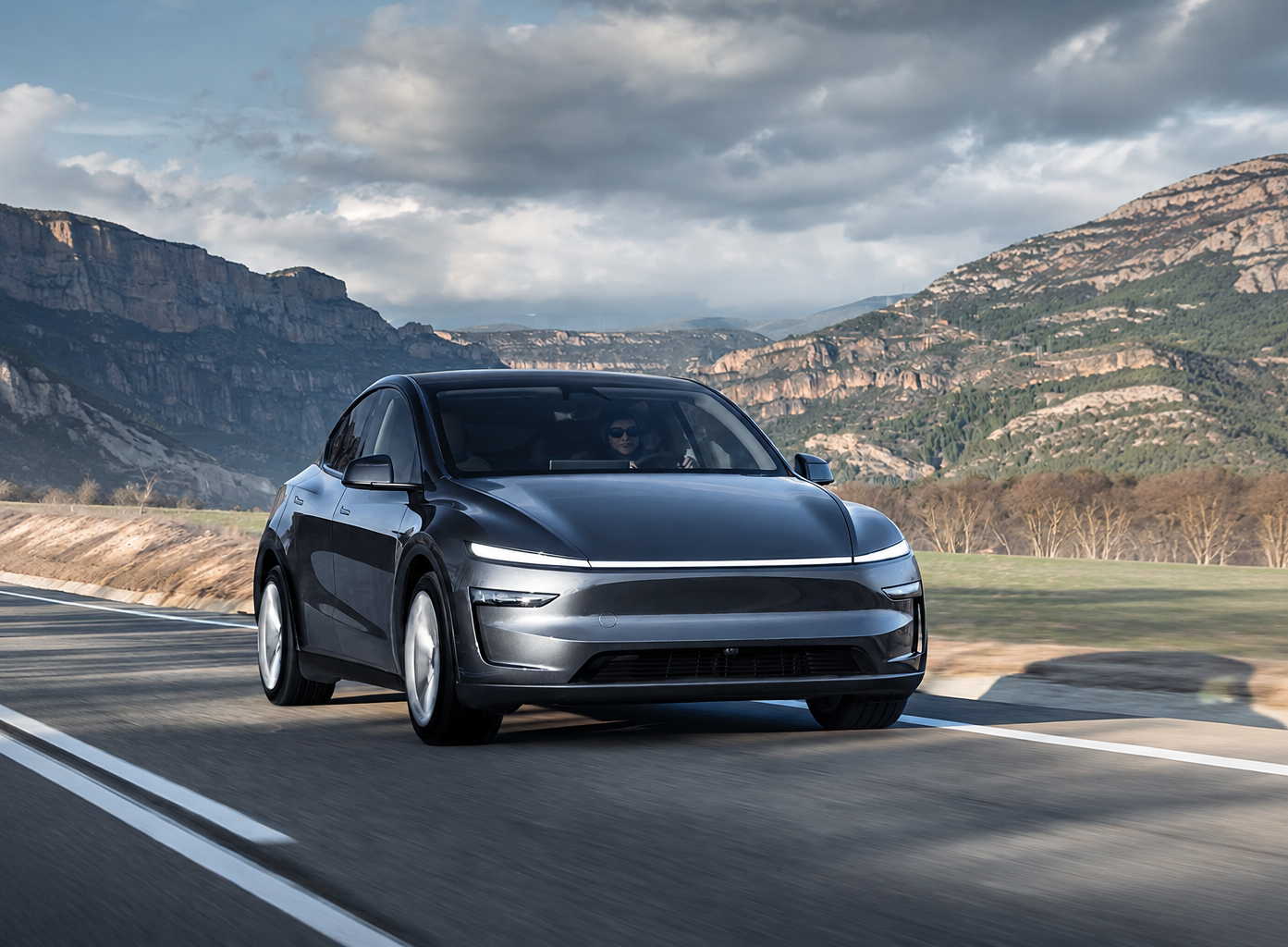
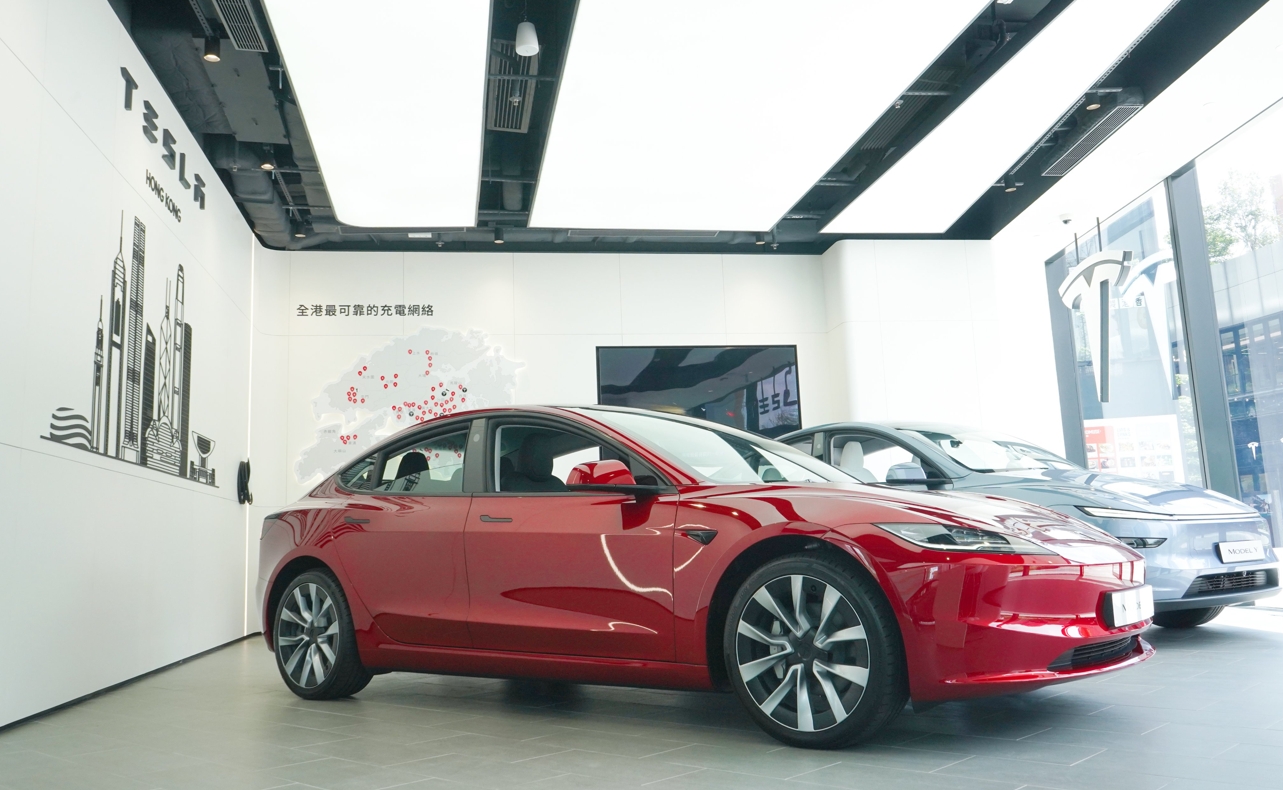
- Tesla’s China-made Model Y led Japan’s imported car registrations in May with about 1,700 units.
- Tesla’s May registrations jumped 182% year-on-year to 1,996, lifting five‑month sales to 8,194 (+157%).
- Tesla surpassed Audi to become Japan’s fourth-ranked imported brand, powered by Shanghai exports.
Tesla announced on June 15 that the China-made Model Y became the best-selling imported passenger car model in Japan by new registrations in May 2026.

The milestone marks the first time Tesla has topped Japan’s imported vehicle rankings by individual model since entering the market.
According to data from the Japan Automobile Importers Association (JAIA), imported passenger car registrations in Japan totaled 17,770 units in May, down 1.6% year-on-year.
While the broader market softened slightly, Tesla bucked the trend with strong growth.
Because Tesla is not a JAIA member, its sales have historically been classified under the “others” category. Data show Tesla registered 1,996 vehicles in Japan in May, up 182% from a year earlier.

Model Y was the key growth driver. Approximately 1,700 Model Y units were registered in Japan during the month, significantly ahead of the second-ranked MINI, which recorded 1,282 registrations.
Notably, most Model Y vehicles sold in Japan are sourced from Tesla’s Shanghai Gigafactory.
Since commencing operations in 2019, the plant has become one of Tesla’s most important global export hubs.
The vehicle benefits from a deeply integrated Chinese supply chain and more than 95% localized parts sourcing, providing advantages in cost control and delivery efficiency.

Tesla currently works with more than 400 suppliers in China, over 60 of which have been incorporated into its global procurement system.
Tesla’s momentum in Japan has become even more evident on a cumulative basis. During the first five months of 2026, the company registered 8,194 vehicles in Japan, up about 157% year-on-year.
Tesla has now surpassed Audi to rank fourth among imported brands, behind only BMW, Mercedes-Benz and Volvo.
By contrast, Chinese brands remain in an earlier stage of market expansion in Japan. Data show BYD registered 363 passenger vehicles in Japan in May, down 12.7% year-on-year.

After Japan’s Ministry of Economy, Trade and Industry revised EV subsidy policies in March, subsidies for BYD models were reduced to 150,000 yen ($945), more than halving previous levels.
Core models including the Seal, Dolphin and ATTO 3 were affected.
For BYD, the next key product is the Racco, a kei-class electric vehicle developed specifically for the Japanese market.
Scheduled to launch on July 28, the model is expected to play a central role in the company’s goal of achieving annual sales of 10,000 units in Japan.
Discover more from ChinaEVHome
Subscribe to get the latest posts sent to your email.