- China rolled out 1,229 OTA feature updates in February, a sharp drop from January’s 2,003.
- NEV startups’ updates collapsed to 243 in February as consolidation replaces rapid iteration.
- Chinese local brands drove 951 updates, keeping intelligent driving development ahead of joint ventures.
The Passenger Car Association (CPCA), in collaboration with Ways, released its Vehicle OTA Monitoring Monthly Report for February 2026, showing that the industry rolled out a total of 1,229 Over-the-Air (OTA) feature updates during the month, down significantly from 2,003 in January.

Following a concentrated wave of updates ahead of China’s Lunar New Year holiday, automakers have entered a short adjustment phase in OTA cadence.
However, the direction of updates remains unchanged, continuing to focus on intelligent driving and large-model-powered smart cockpit systems.
By segment, new energy vehicle startups saw a notable slowdown in February.
Only six startups conducted OTA updates during the month, delivering a total of 243 feature updates, sharply down from 839 in January.

Updates were concentrated among leading players. Li Auto focused on optimizing VLA-related capabilities and charging map functions.
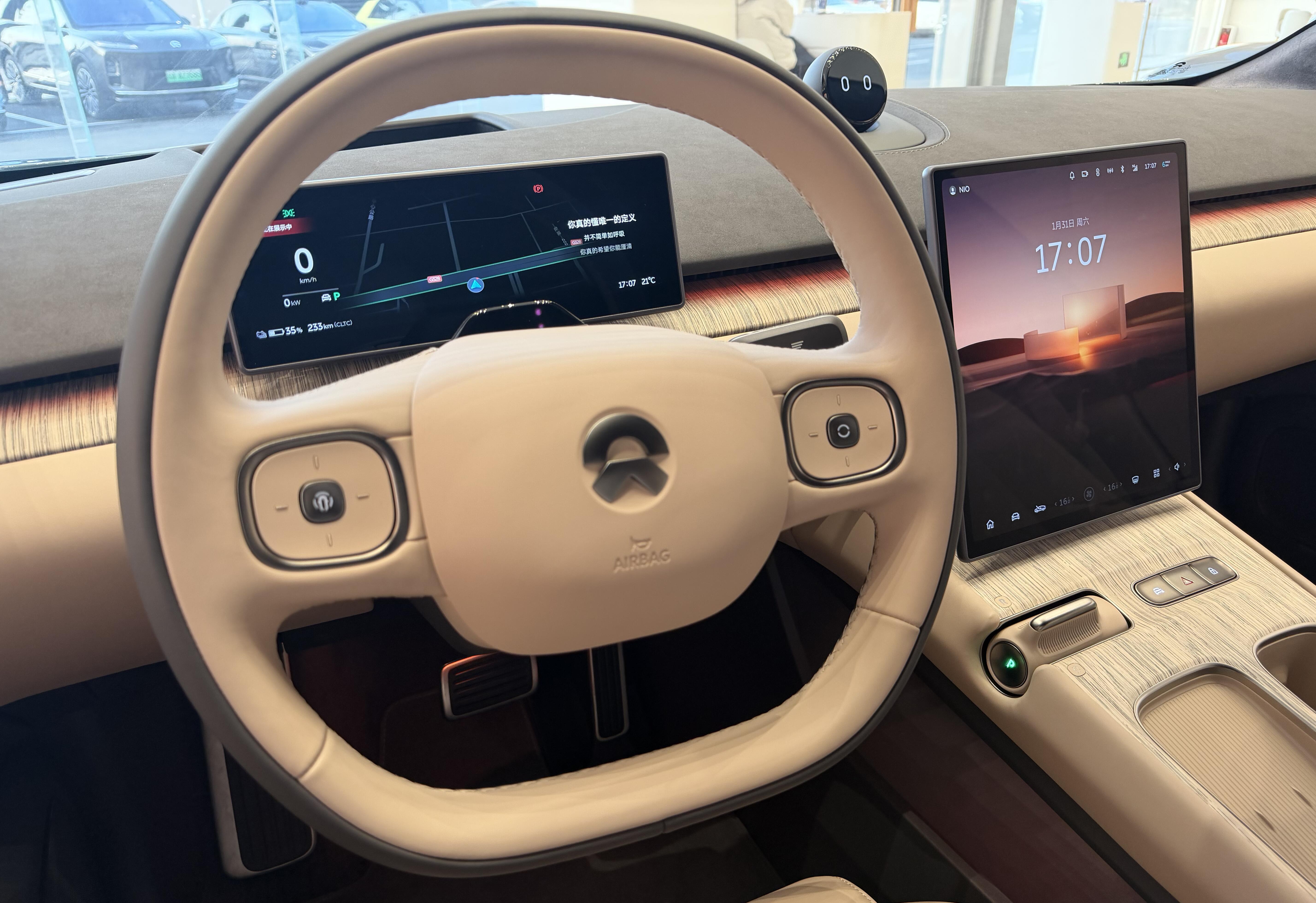
NIO advanced deployment of its Clear system and new platform capabilities; Leapmotor expanded urban NOA (Navigate on Autopilot) coverage, addressing key gaps in advanced driver assistance.
Chinese local brands remained the primary contributors to OTA activity. A total of 951 feature updates were released in February.
Although lower than the previous month, the scale still accounted for the majority of industry updates.
Fourteen local brands participated in OTA rollouts, with intelligent driving modules becoming the main area of competition.

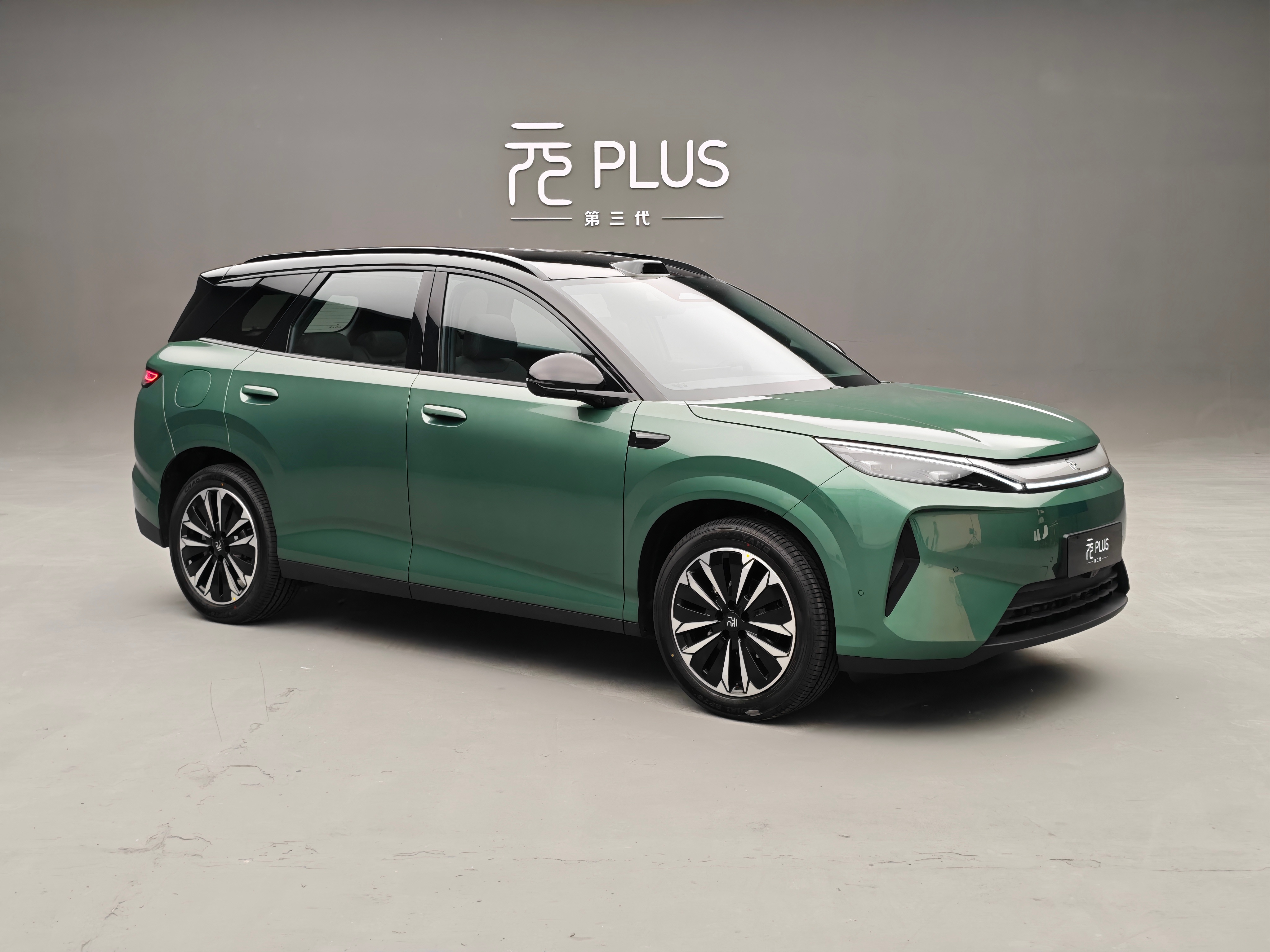
BYD advanced its “God’s Eye 5.0” system, improving parking and maneuvering capabilities, while Jetour introduced parking-to-parking 2.0 functionality.
Huawei-backed Harmony lntelligent Mobility Alliance (HIMA) continued to enhance safety and performance in complex scenarios, adding features such as eAES anti-pinching protection and three-point turn capability.
In contrast, joint venture and premium brands maintained a slower pace. Only 35 feature updates were released in February, primarily focused on user experience improvements.
Specifically, Jetta added HiCar/Carlink integration, and Mazda introduced Bilibili and Baidu Maps connectivity.

Mercedes-Benz pushed forward urban navigation-assisted driving while launching a multimodal large-model-based virtual assistant to enhance voice interaction.
Overall, intelligent driving updates in this segment remain largely at the basic assistance level, with the gap versus Chinese local brands in advanced capabilities yet to meaningfully narrow.
Looking at longer-term trends, OTA development is shifting from high-frequency updates toward structural investment. Total OTA feature updates rose 36.7% year-on-year in 2025.
Entering 2026, divergence is becoming more apparent. Startups are entering a consolidation phase after intensive iteration, while Chinese local brands continue to expand their scale advantage.
Discover more from ChinaEVHome
Subscribe to get the latest posts sent to your email.