- Li Auto CEO Li Xiang accused a rival of organized “black PR” and vowed legal action.
- Evidence shown links coordinated social posts and internal marketing materials to NX8 comparisons.
- The public clash boosted NX8 visibility while sharpening scrutiny of unfair-competition tactics.
After two years, the sharp-edged Li Xiang appears to have returned.
On April 11, Li Auto CEO Li Xiang posted multiple messages on social media criticizing alleged smear campaigns and “black PR,” claiming that “a certain Japanese brand” had published misleading comparisons and fabricated information to “flood” the comment sections of Li Auto products, severely disrupting normal operations.
Li characterized the behavior as “the worst violation” under anti-involution regulations, stating that legal measures would be taken to protect the company’s rights, while also calling for regulatory intervention.
The trigger appears to be a surge of accounts—widely speculated to be linked to Dongfeng Nissan—posting comparison content between the Dongfeng Nissan NX8 and Li Auto i6/L6, or referencing the NX8 in discussions related to Li Auto models.
Prior to this, Dongfeng Nissan had repeatedly acknowledged Li Auto during NX8 pre-sale and launch events.
Xin Yu, general manager of Dongfeng Nissan Passenger Vehicle Company, previously stated: “Thanks to Li Auto for helping more consumers believe in extended-range technology.”
Li Xiang’s sudden criticism caught the industry off guard. What led to this escalation, and where might it head next?
From praise to public criticism
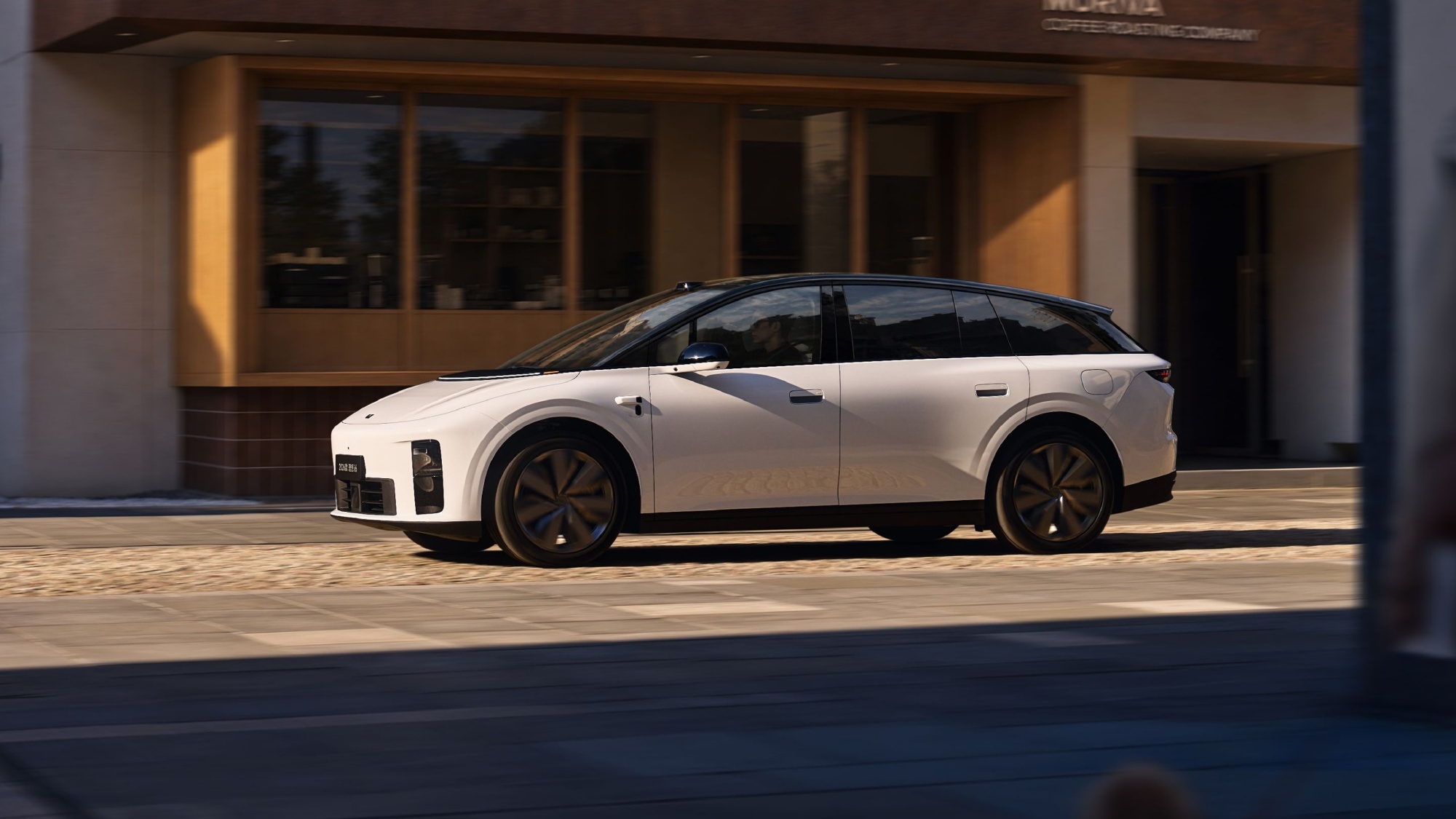
As a pioneer in popularizing extended-range SUVs for families, Li Auto has become a benchmark in this segment.
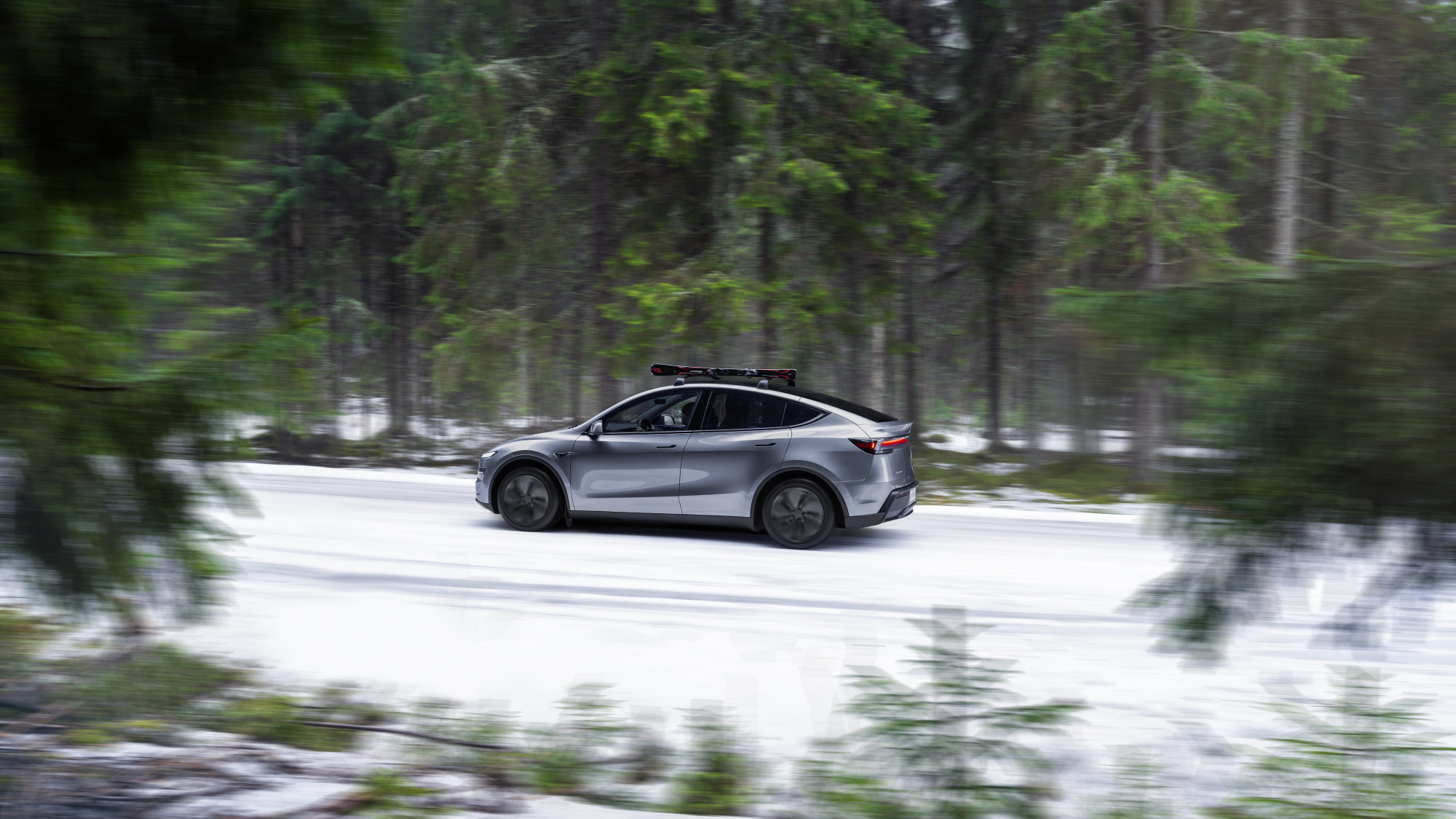
The Dongfeng Nissan NX8, offering both pure electric and extended-range options, is no exception.
As early as March 16, Wang Qian, head of Dongfeng Nissan’s NEV division, shared a post acknowledging Li Auto’s contribution to expanding the extended-range market, referencing earlier recognition of Nissan’s e-POWER technology.

At the March 20 pre-sale event, Dongfeng Nissan explicitly thanked Li Auto in its presentation, stating that it helped validate extended-range as a viable consumer solution.
Xin Yu also noted that Li Xiang used Nissan e-POWER sales data to persuade his own team to adopt the extended-range route, while crediting Li Auto for raising awareness of Nissan as a pioneer in series hybrid technology.
Dongfeng Nissan further emphasized in briefings that Li Auto had effectively “learned from e-POWER” to grow the market, and that Nissan’s return with new technology aimed to “expand the segment together.”

At the April 8 launch event, the NX8 continued to reference Li Auto both directly and indirectly.
For instance, the event theme was “A More Ideal SUV for the Whole Family,” while a benchmark “extended-range SUV at RMB 250,000 ($36,600)” used for comparison was widely interpreted as the Li Auto L6.

Notably, Li Auto had not publicly responded to these gestures.
On April 11, Li Xiang first posted a strongly worded message, later deleting it before escalating his criticism.
In subsequent posts, he accused a “Japanese brand” of orchestrating smear campaigns and spreading false information, calling it a severe violation of fair competition principles.

Although he did not explicitly name Dongfeng Nissan, accompanying screenshots showing comparisons between Li Auto L6 and NX8, along with unmasked accounts, made the target apparent.

He later reiterated that while Li Auto would not engage in counter-smear tactics, it would “fully investigate, disclose findings, and pursue legal and regulatory channels.”

Screenshots included lists of suspected accounts and content involved in coordinated comparisons, with minimal redaction.
One image, allegedly from an internal “NX8 marketing group” chat, showed instructions to produce comparison tables between NX8 and Li Auto i6, as well as NX8 and AITO M7, along with video examples.
While producing comparison materials is not inherently improper, some observers linked these materials to Li Xiang’s accusations.
That evening, Li Auto’s legal department issued a statement accusing the opposing party of organizing smear campaigns and fabricating information, confirming that a full evidence chain had been preserved and that legal action would follow.

On April 12, Li Xiang posted again, expressing dissatisfaction that previous restraint had only encouraged further attacks.

As of publication, Dongfeng Nissan’s only official response was a statement from Wang Qian on April 11, emphasizing adherence to industry norms, fair competition, and respect for peers, including Li Auto.

No further unified response has been issued, and based on similar past cases, public developments may remain limited.
Elevating NX8’s visibility?
Dongfeng Nissan’s close benchmarking strategy appears to have triggered Li Xiang’s strong reaction, prompting a high-profile public response.
In reality, the NX8 and Li Auto i6/L6 occupy different segments.

The NX8 is priced at RMB 149,900–199,900 ($21,900–29,300), while the i6 starts at RMB 249,800 ($36,600) and the L6 ranges from RMB 249,800–279,800 ($36,600–41,000), leaving a roughly RMB 100,000 ($14,600) gap.
The NX8’s extended-range variant offers better theoretical range and fuel efficiency under CLTC conditions, along with more extensive comfort features such as a zero-gravity passenger seat.
Li Auto’s strengths lie in standard LiDAR across the lineup, higher-spec chassis configurations, strong brand reputation in family SUVs, and a more comprehensive service network, consistent with its higher price positioning.

The NX8 aims to deliver maximum value within a lower price band, while the i6/L6 target a more comprehensive user experience.
Their customer bases overlap only partially, though Li Auto models remain key benchmarks in the segment.
In March, the Li Auto i6 delivered over 24,000 units, accounting for more than half of the company’s 41,053 total deliveries, and reached a 100,000-unit production milestone on April 10.
Meanwhile, the Li Auto L6, currently undergoing a model transition, still recorded 8,130 units in March.

From a competitor’s perspective, benchmarking against Li Auto is a straightforward marketing strategy. From Li Auto’s standpoint, protecting its market momentum is equally rational.
However, Li Xiang’s strong response has arguably increased public awareness of the NX8.
Had this occurred in 2023, Li might have reacted differently.
The contrast in his response today may reflect changes in Li Auto’s market position and the intensifying competitive pressure.
Public opinion remains divided, raising broader questions about the definition and potential overuse of “black PR.”
While Li Xiang’s narrative—accusing rivals of fabricating information to elevate NX8 and undermine Li Auto—has gained support, others argue that competitive comparisons are common practice and require stronger evidence to qualify as unfair competition.
According to China’s interim regulations on online unfair competition, organizing or instructing others to maliciously evaluate competitors’ products, or spreading false or misleading information online, constitutes unfair competition.

If Li Auto can prove coordination and commercial intent behind such activities, they would meet the legal definition of “black PR.”
Another point of controversy stems from Li Xiang’s initial wording, which some interpreted as overly politicized.
Critics argue that the issue may have been escalated beyond its appropriate scope, particularly given the joint venture nature of Dongfeng Nissan.
While commonality does not justify such practices, the broader industry push against “involution” and “black PR” makes it necessary to distinguish between legitimate competition and unethical conduct.
Ultimately, the industry is watching for a fair resolution, hoping this episode will contribute to a more transparent and orderly competitive environment.
Discover more from ChinaEVHome
Subscribe to get the latest posts sent to your email.