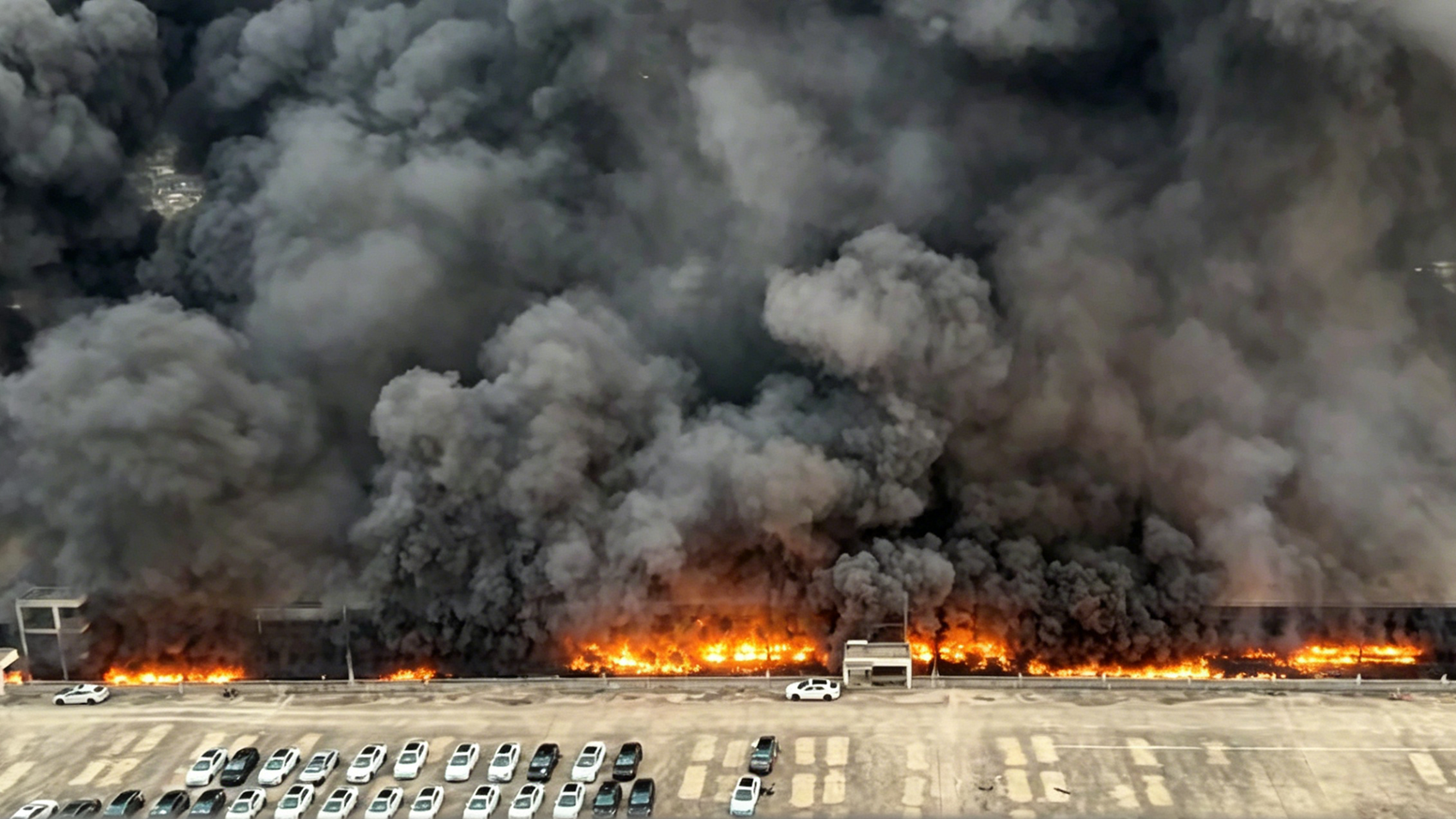
- BYD confirms Pingshan blaze involved only test and scrapped vehicles, no casualties.
- Fire cracks public confidence in BYD’s battery safety narrative despite recent Gen 2 test claims.
- Quick, transparent root-cause investigation is now essential to calm NEV market skepticism.
A fire broke out early April 14 at BYD’s Pingshan facility in Shenzhen.
Footage from the scene showed the blaze spreading rapidly with heavy smoke. According to local authorities, the fire has been extinguished with no casualties. BYD later clarified that the affected area was a “dedicated storage lot for testing and scrapped vehicles.”
Under normal circumstances, this might be seen as a routine industrial alert. However, given the current climate, public sensitivity has reached a breaking point.
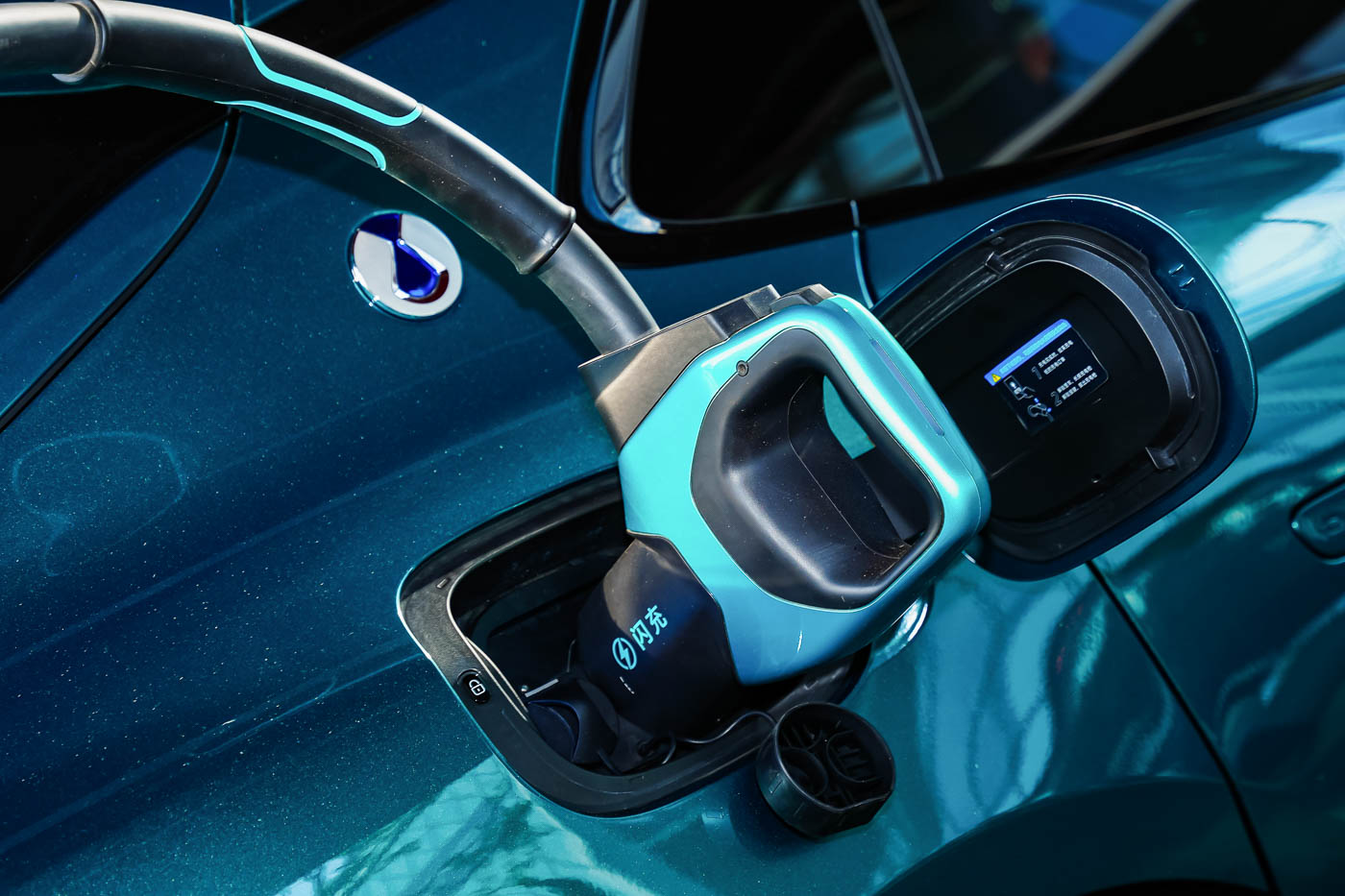
Just last month, BYD debuted its Gen 2 Blade Battery and Megawatt Flash Charging technology. During official demonstrations, the Gen 2 battery remained smoke-free and fire-free even under the extreme “simultaneous flash-charging and nail penetration” test. This public commitment to safety limits is the bedrock of BYD’s technical moat.

Yet, a fire at the headquarters’ own facility challenges that confidence on a physical level.
While officials emphasized the involvement of “testing and scrapped cars,” public skepticism remains: Were the test vehicles undergoing extreme boundary trials? How stable are the battery packs in scrapped units during long-term storage?
This scrutiny reflects a delicate tipping point for China’s NEV industry.
According to the latest CPCA data, NEV retail penetration hit 51.5% in March. This means every second car sold in the market now carries a battery.

As the first major automaker to fully exit the ICE (Internal Combustion Engine) business in March 2022, BYD’s performance does more than just drive its own sales—it defines the psychological baseline for EV safety in the public eye.
Unlike competitors who rely on external suppliers, BYD’s vertical integration—spanning from cells and modules to BMS (Battery Management Systems)—means the brand bears the full weight of quality responsibility alone.
The fire is out, but the doubt lingers.

As NEVs move into the mainstream, the technical root cause matters. Transparency is critical, and so is the speed of the investigation. Only a candid, bottom-up post-mortem can address the inherent skepticism toward battery safety in the era of high-voltage fast charging.
Discover more from ChinaEVHome
Subscribe to get the latest posts sent to your email.