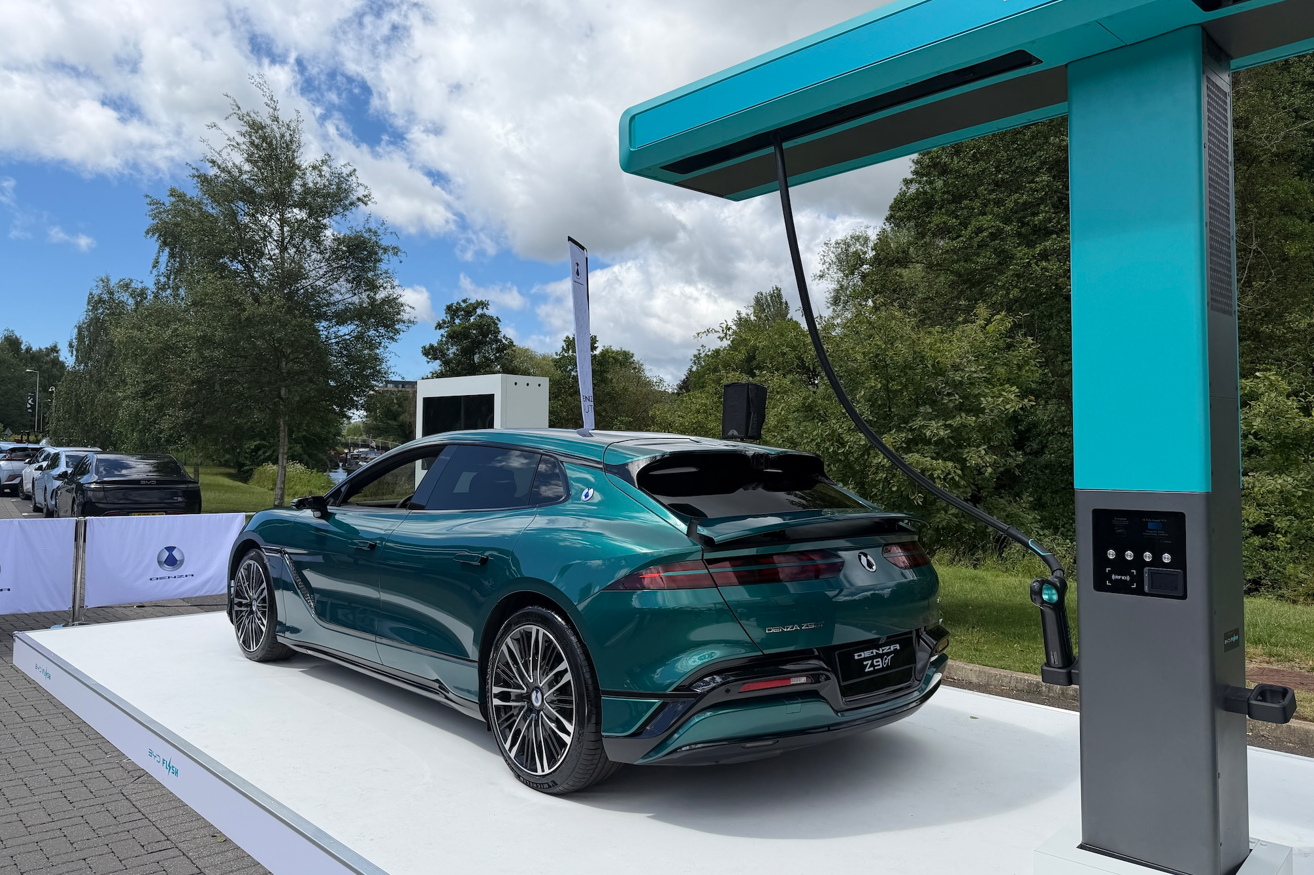
- BYD and state-owned Petronas unit Gentari signed an MoU to assess deploying BYD’s second-generation megawatt flash charging and battery storage across Malaysian intercity routes.
- The flash system delivers up to 1,500 kW per connector and can add roughly 400 km of range in five minutes; Denza Z9GT supporting the tech retails at MYR 358,800 (about $87,906).
- Targeting fast-charge infrastructure to capture growing EV demand and ease long-distance travel, the plan faces execution risks from missed rollout targets, scaling to 30,000 chargers by 2030, and BYD’s recent local sales weakness.
BYD is working with Gentari, the clean energy subsidiary of Malaysian state-owned oil and gas company Petronas, to explore the deployment of high-power flash charging infrastructure in Malaysia.
The two parties signed a memorandum of understanding (MoU) on Wednesday to assess the feasibility of deploying BYD’s flash charging technology and battery energy storage systems in the country.

Under the MoU, BYD and Gentari will identify potential sites for fast-charging stations, including major intercity routes connecting population centers.
The collaboration will also cover charging infrastructure requirements, energy storage needs, project economics and potential operating models.
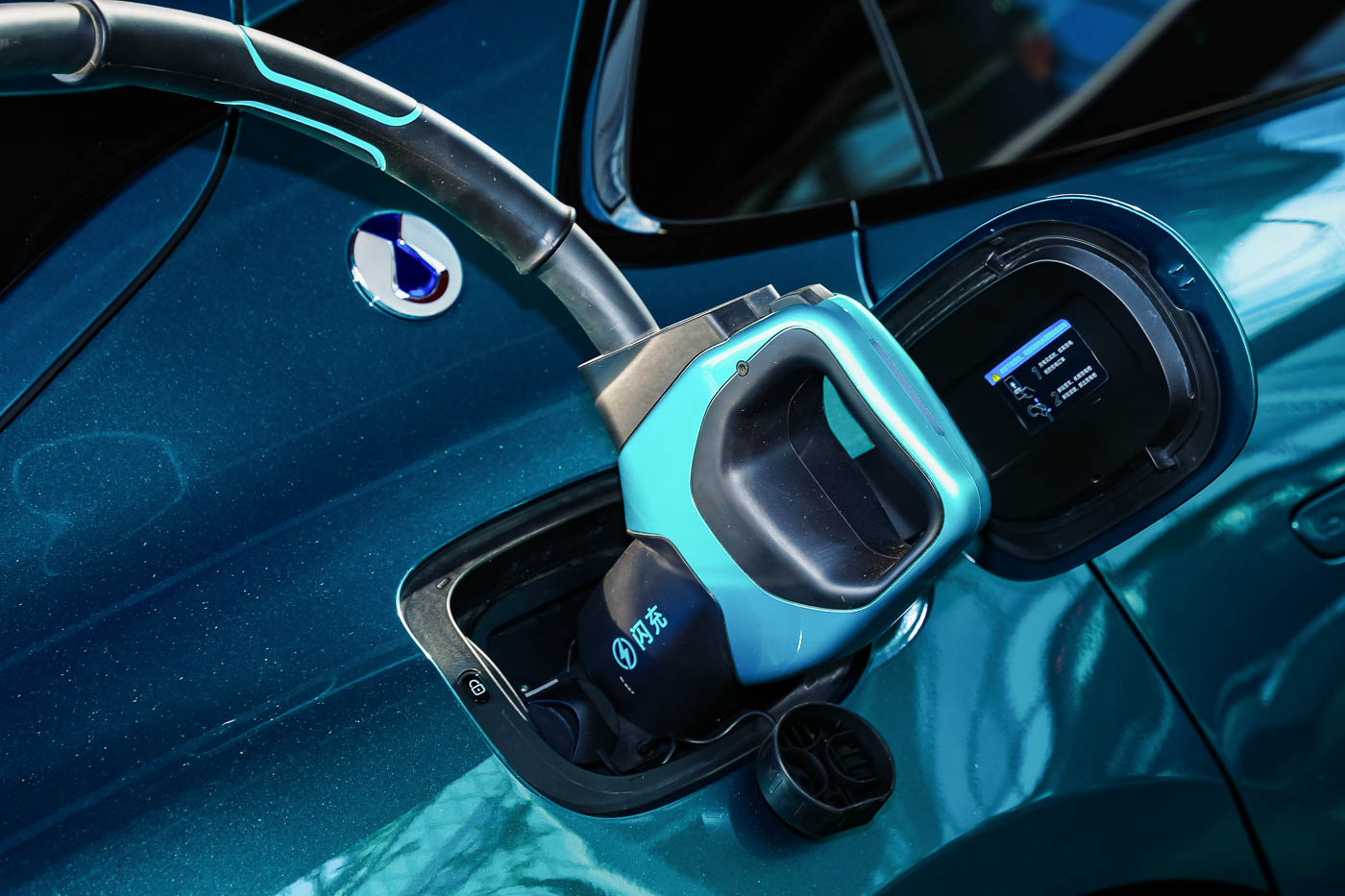
The partnership involves BYD’s second-generation megawatt flash charging technology, which delivers peak output of up to 1,500 kW per connector.
Under ideal conditions, compatible vehicles can gain approximately 400 km of driving range in five minutes.
Malaysia is facing a widening gap between rising EV demand and the expansion of public charging infrastructure.

Data show that 53,537 new EVs were registered in the country in the first nine months of 2026, up 98.8% year over year.
As the market grows, the coverage, charging speed and reliability of public infrastructure are becoming increasingly important to consumers’ purchasing decisions and long-distance travel.
Malaysia has previously fallen short of its public charging infrastructure targets. The country had planned to install 10,000 public charging points by the end of 2025 but missed the deadline.
As of the end of May this year, 6,416 charging points had been installed nationwide.
The government has since set a new target of 30,000 public charging points by 2030, a goal that will require a substantial acceleration in deployment at the current pace.
The government is also considering levying a dedicated charge on each EV sold to help fund the expansion of the public charging network.
For BYD, a more extensive charging network could support its business expansion in Malaysia, although its recent sales performance has been weak.

BYD registered 8,087 EVs in Malaysia in the first nine months of 2026, down 17.1% year over year.
The only model currently available in Malaysia that supports BYD’s flash charging technology is the Denza Z9GT, which launched locally in July this year at a net price of MYR 358,800 ($87,906).
The conversion uses an MYR/USD rate of 0.2450 reported on October 22, 2026.
Gentari currently operates more than 600 EV charging points in Malaysia.
Its Gentari Go roaming platform also provides access to approximately 18,000 charging points across Malaysia, Singapore, Thailand and India.
The existing infrastructure and cross-border service coverage provide a foundation for the two companies to expand their cooperation.
BYD is also pursuing a global rollout of its flash charging network, with plans to build 6,000 stations overseas.
Deployments are already underway in markets including Europe and the Americas.
Discover more from ChinaEVHome
Subscribe to get the latest posts sent to your email.