- BYD, Tesla, NIO and several other automakers publicly denied being summoned or investigated over OTA “battery lock” claims.
- No official regulatory documents or public notices support the circulating allegations.
- The story appears driven by social media amplification and AI-generated misinformation, not confirmed probes.
Recent rumors circulating in the market have claimed that Chinese regulators summoned multiple new energy vehicle manufacturers over alleged OTA-related “battery lock” practices.
According to the reports, complaints from users had triggered regulatory action involving eight NEV makers, with three companies allegedly placed under formal investigation and two others reportedly withdrawing disputed OTA software packages and promising to restore vehicle performance.
The claims later spread widely across social media platforms and AI-generated Q&A content.

Some online posts specifically named BYD, Tesla, XPeng, Li Auto, Nio, Aito, Zeekr and GAC Aion as the eight automakers involved.
However, several companies mentioned in the rumors have since publicly denied the allegations.
BYD issued an official statement saying: “Recent online rumors claiming that BYD was summoned or investigated are completely false.”

Tesla representatives also responded, stating that the company had not been summoned by regulators over any so-called “battery lock” issues, adding that all software updates undergo strict testing and filing procedures.
XPeng’s legal department stated that, after verification, the company had not received any such regulatory inquiries and had not been placed under formal investigation.
NIO also explicitly denied the claims, saying the company had never been included in any recent regulatory talks related to OTA “battery lock” issues and describing the circulating content as rumors.

GAC Aion similarly posted on Weibo that it had never been summoned by regulators over such matters and was not involved in any investigation.
Zeekr’s legal department said it had noticed certain social media accounts using AI-generated content to fabricate claims that the company had been summoned by regulators. Zeekr stated that the false information had already damaged its brand reputation and that it had preserved evidence to pursue legal action.
Seres-backed subsequently issued a public response, ans stated that all OTA updates have completed official filing and obtained approval in accordance with relevant procedures.

The term “battery lock” generally refers to automakers using OTA software updates to restrict charging power, discharge capability, performance output or usable battery capacity.
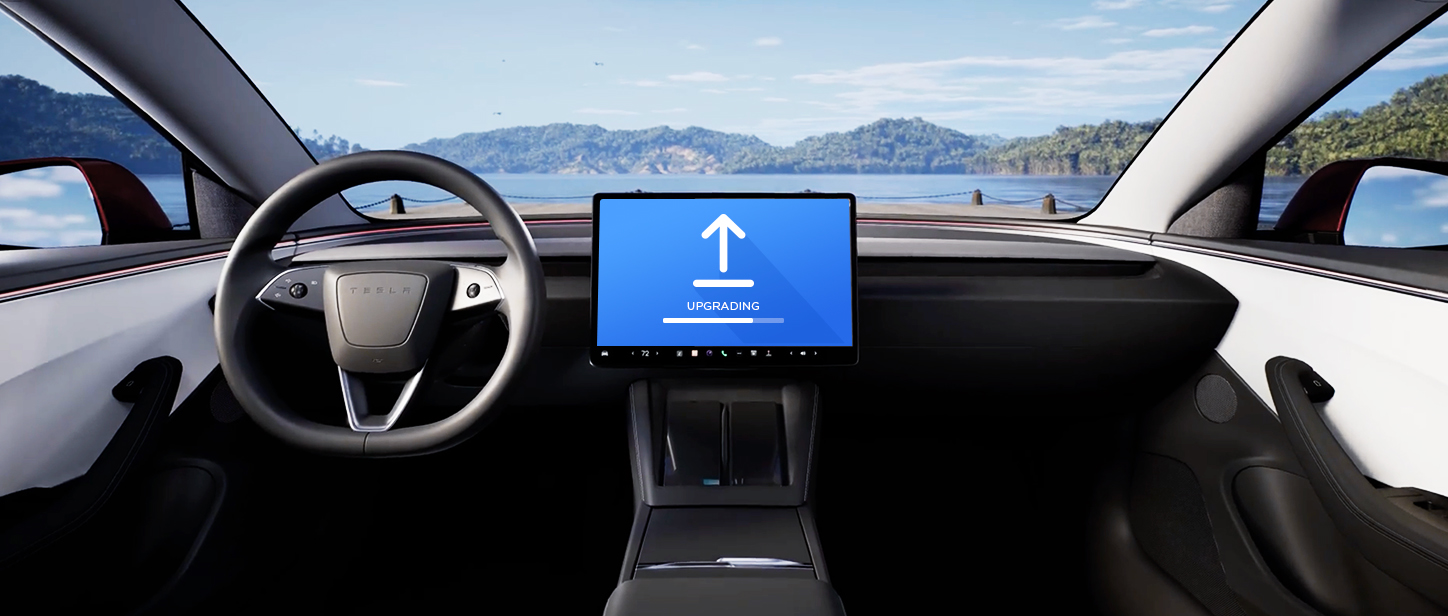
As NEVs become increasingly software-defined, OTA updates have become a core part of automakers’ daily operations.
Over the past two years, consumer complaints related to “insufficient disclosure” or “reduced user experience after updates” have indeed increased.
However, so far, there have been no official regulatory documents or public notices supporting this information. Multiple automakers implicated in the rumors have now collectively denied the allegations.
At this stage, the incident appears more likely to reflect a wave of online speculation amplified by social media dissemination, AI-generated content and broader market sentiment.
Discover more from ChinaEVHome
Subscribe to get the latest posts sent to your email.