- BYD is excluded from South Korea’s EV subsidy program, losing about $1,400 per passenger car.
- BYD registrations plunged nearly 50% month-on-month after subsidies ended, risking weaker order conversions.
- Hyundai, Kia and Tesla retain incentives while other Chinese entrants like Zeekr and XPeng likely miss out.
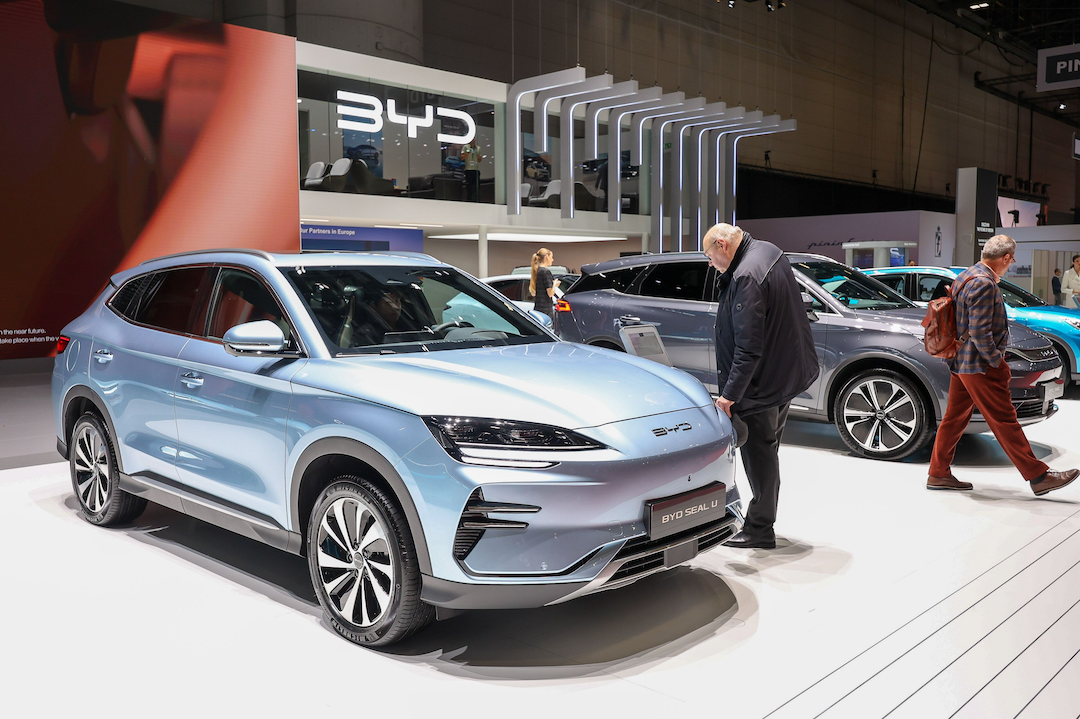
BYD has failed to qualify for South Korea’s latest electric vehicle subsidy program, becoming the only major passenger vehicle brand excluded from the government’s new incentive scheme.
South Korea’s Ministry of Environment announced the final list of qualified automakers on June 30. The revised subsidy rules took effect on July 1. Under the new framework, all BYD passenger vehicles sold in South Korea are no longer eligible for government purchase subsidies.

A total of 35 automakers and importers applied for the program. Twenty-seven companies secured qualification. In the passenger vehicle segment, 10 brands, including Hyundai, Kia and Tesla, passed the review.
Unlike previous assessments focused mainly on vehicle performance and energy efficiency, the updated system adopts a broader evaluation framework. Criteria include R&D capability, contribution to the local supply chain, environmental compliance, after-sales service sustainability, and safety management, with a maximum score of 100. Automakers must score at least 60 points to qualify.
Under the previous policy, buyers of BYD passenger vehicles in South Korea could receive government subsidies of about 2 million won ($1,530) per vehicle. Eligible models included the Atto 3, Seal, Sealion 7 and Dolphin.

With the qualification revoked, those models no longer receive government purchase incentives from July 1. The policy-driven pricing advantage has disappeared.
The decision comes as BYD is gaining traction in the South Korean market. According to data from the Korea Automobile Importers & Distributors Association (KAIDA), BYD registered 2,023 new vehicles in South Korea in April 2026. The company ranked fourth among imported brands for the first time. Chinese brands also outsold Japanese brands collectively for the first time, setting a record for Chinese automakers in the market.

Registrations fell to 1,032 units in May, down nearly 50% from April. BYD slipped to seventh place among imported brands. Even so, cumulative registrations reached 7,023 units in the first five months of 2026, already surpassing the company’s full-year total of 6,107 units in 2025.
Losing subsidy eligibility is expected to weaken BYD’s pricing advantage. Rivals including Hyundai, Kia and Tesla remain eligible for government incentives. Higher purchase costs could weigh on BYD’s order conversion in the near term.
Other Chinese automakers planning to enter South Korea later this year, including Zeekr and XPeng, are also unlikely to qualify for the latest subsidy program under the current rules.
Discover more from ChinaEVHome
Subscribe to get the latest posts sent to your email.