- Jaguar Land Rover says China operations will avoid local restructuring even as global cuts target £1.7 billion savings, reflecting pressure from rising costs and sliding sales.
- Q1 FY27 revenue fell to £6 billion, wholesale volumes down 9.2%, profit before tax and special items dropped to £109 million, and adjusted EBIT margin hit 2.8%.
- Direct competition includes domestic NEV luxury entrants and Chery-backed Freelander, but risks include delayed EV launches in China, import reliance, dealer losses and uncertain delivery scale.
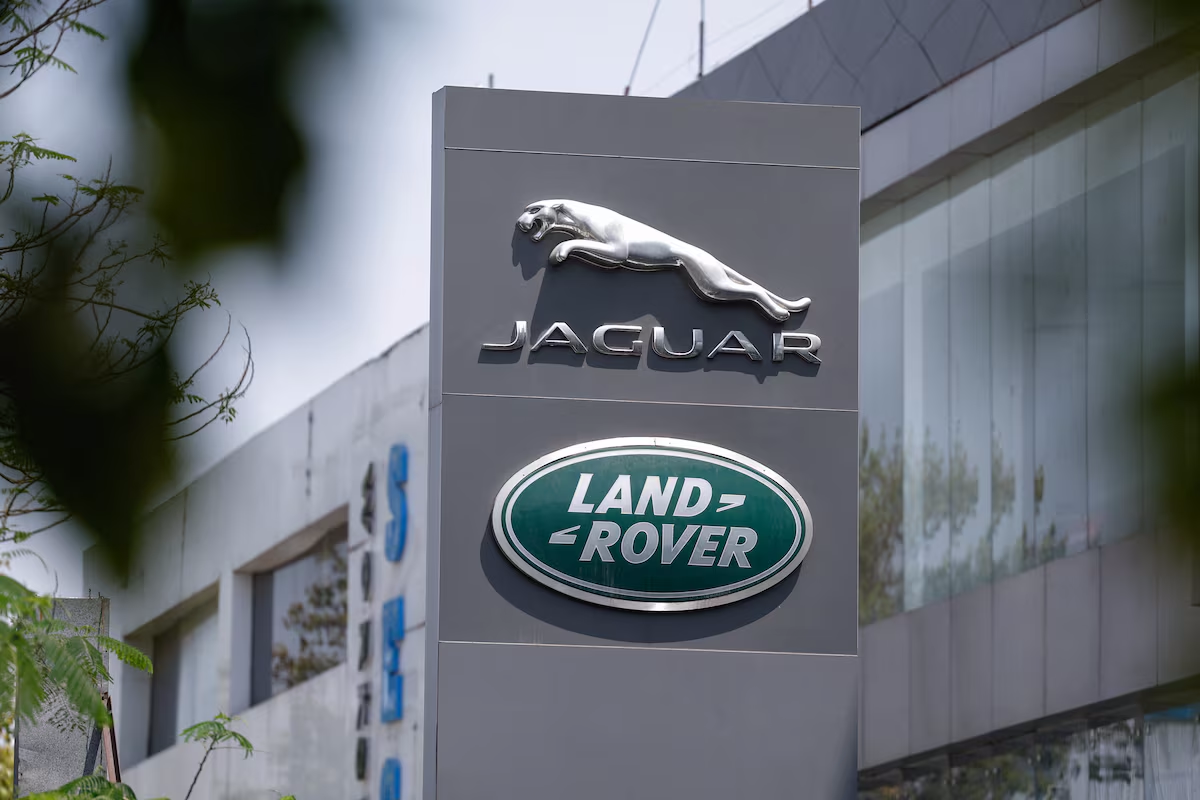
Jaguar Land Rover China has told local media that it currently has no plans for organizational restructuring in China, following reports that the automaker is preparing to cut 4,000 jobs globally.
The company said its China operations remain normal, with sales, after-sales services and the dealer network all continuing to operate as usual.
The reports originated with a Sept. 5 article by The Times, which said JLR was pursuing a global cost-cutting program amid rising costs, declining sales and pressure from U.S. tariffs.
JLR later confirmed to Bloomberg that it would launch a voluntary redundancy program, targeting roughly £1.7 billion ($2.3 billion) in savings over the next two years and seeking to lower its break-even sales volume to 300,000 vehicles.
JLR’s operating data show that the company is indeed under pressure.
Its latest results for the first quarter of fiscal 2026/27, covering April through June 2026, showed revenue of £6 billion, down 9.6% year on year.

Wholesale volumes fell 9.2% over the same period, while profit before tax and special items fell to just £109 million from £351 million a year earlier. Adjusted EBIT margin dropped to 2.8%.
Changes in the Chinese market have been an important factor behind JLR’s global restructuring.
In 2017, JLR sold 146,400 vehicles in China, accounting for nearly a quarter of its global sales and making China its largest single market.
But sales in China have declined steadily since 2018 as competition in the luxury-car market intensified and domestic new energy vehicle brands expanded rapidly.
According to vehicle registration data, JLR sold just 67,600 vehicles in China in 2025, down 25.8% year on year and more than 50% below its peak.
In the first quarter of this fiscal year, retail sales in China increased 28.5% from the previous quarter, mainly driven by a recovery in demand for high-end luxury SUVs.
The overall sales scale, however, remains well below previous levels.
At the same time, JLR’s electrification strategy has progressed relatively slowly in China.
Under its current product plan, the all-electric Range Rover is not expected to enter the Chinese market until 2028 at the earliest.

New energy versions of the Defender and all-electric Jaguar models have also been delayed, with JLR’s future NEV lineup in China still expected to rely on imports.
In July, JLR officially stopped selling locally produced models in China, bringing its 14-year localization strategy to an end.
Several dealers said the network had faced prolonged profitability pressure since locally produced models began rolling off production lines in 2015, with losses on some models reaching around RMB 30,000 ($4,470) per vehicle.
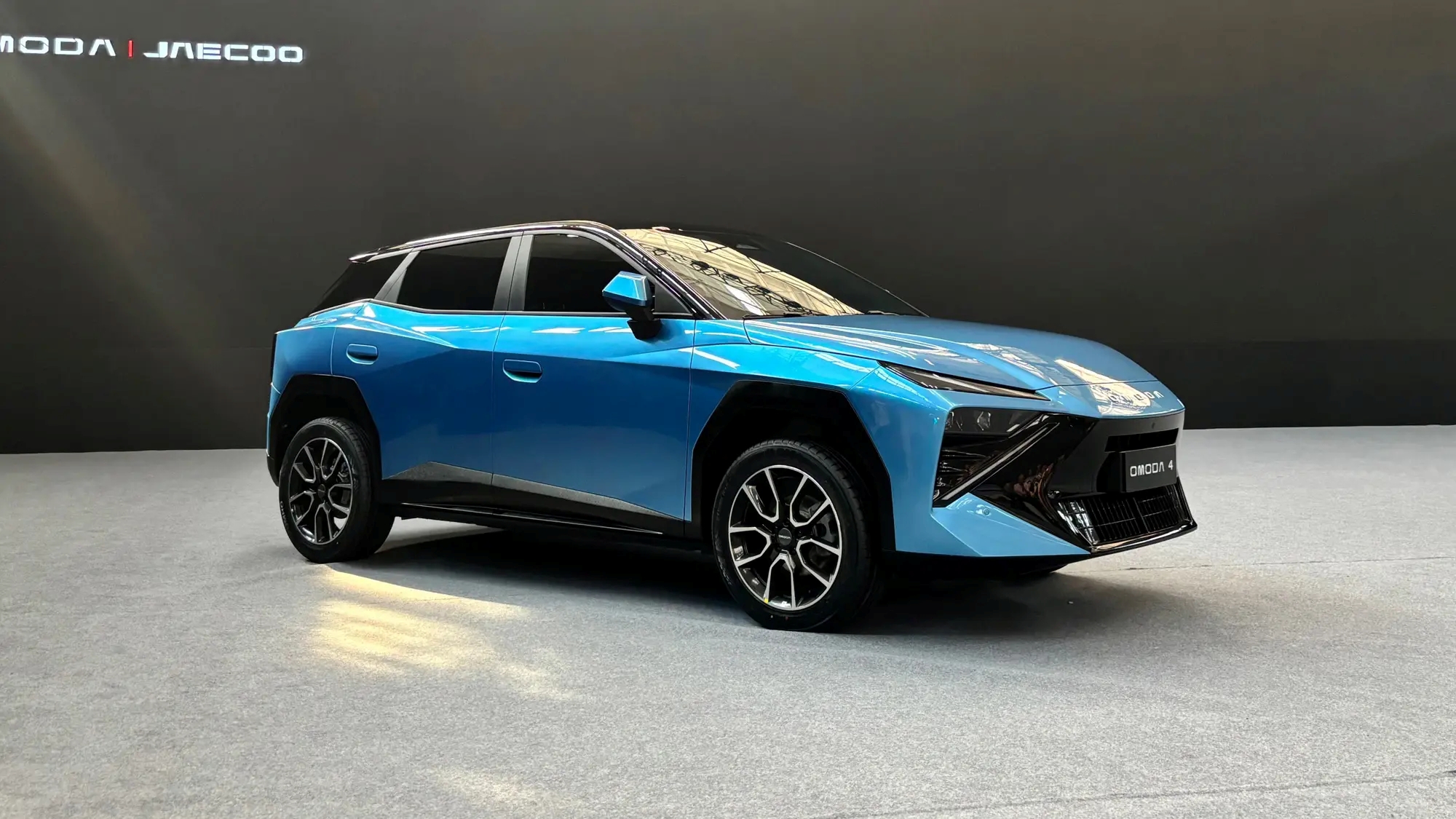
With local production winding down, JLR’s partnership with Chery is shifting toward a new direction.
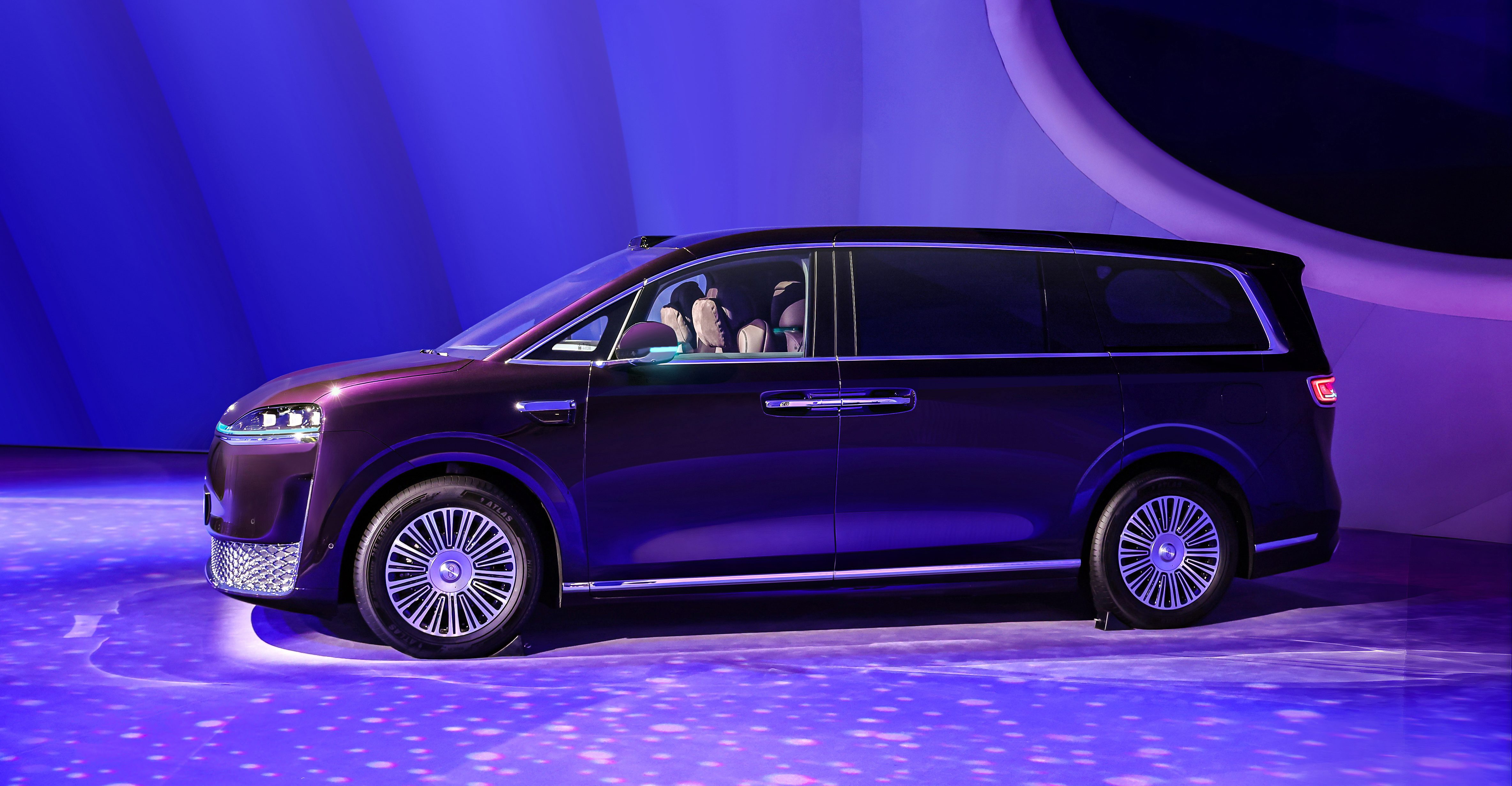
On Sept. 3, the first model under the Freelander brand, the Freelander 8, was officially launched.

The vehicle was developed by Chery-JLR and is offered in five- and six-seat versions with range-extender powertrains.
Priced from RMB 289,900 ($43,137) to RMB 379,900 ($56,529), this model received more than 5,000 firm orders within 12 hours of its launch.
Under the current plan, Freelander will introduce six models over the next five years, spanning range-extender, plug-in hybrid and battery-electric powertrains.
The brand also plans to enter overseas markets including the Middle East between late 2026 and early 2027.
Discover more from ChinaEVHome
Subscribe to get the latest posts sent to your email.