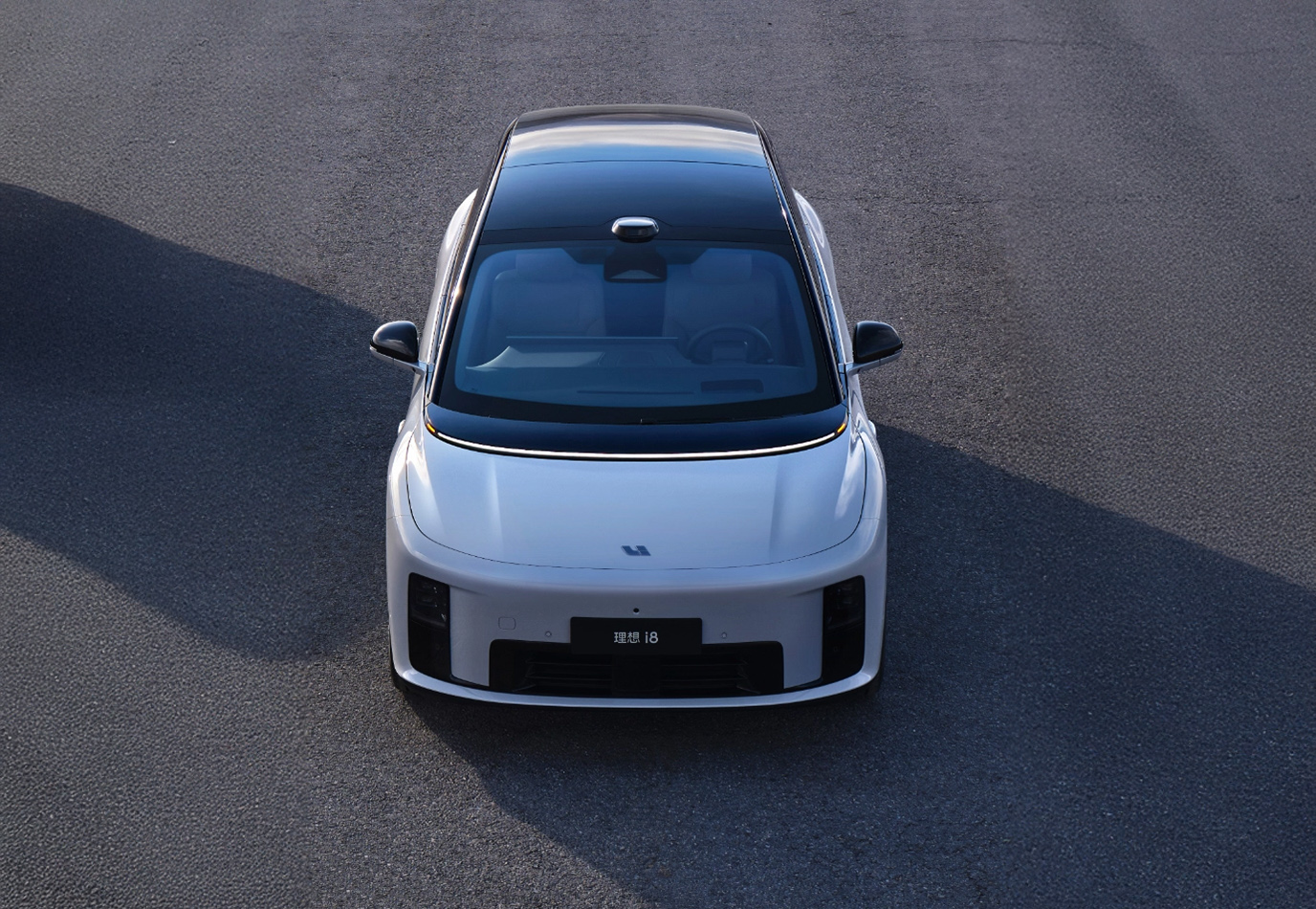
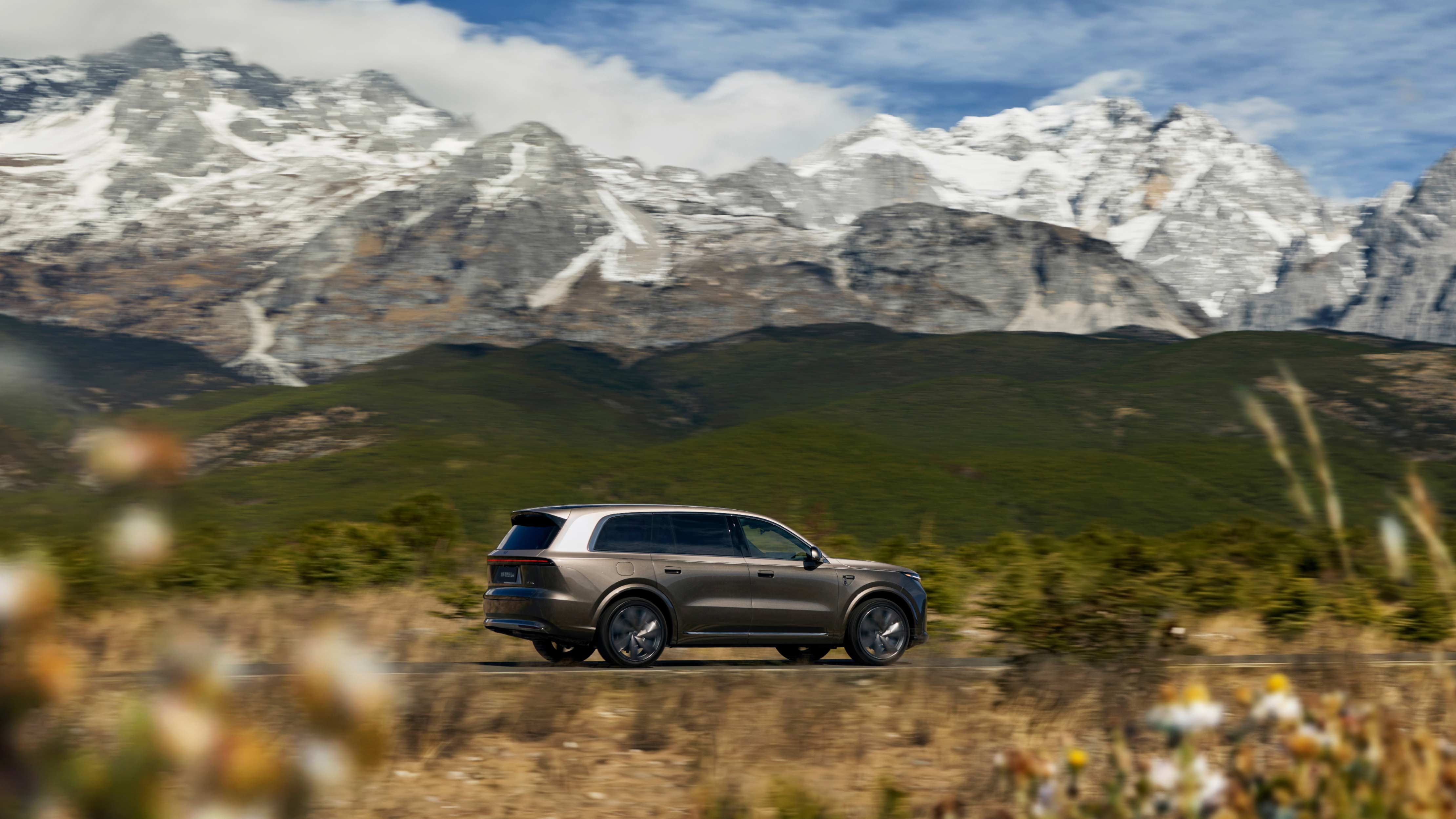
Last night, China’s Ministry of Industry and Information Technology (MIIT) released the 17th batch of its New Energy Vehicle Purchase Tax Exemption Catalogue, officially listing models such as the Li Auto i8 and the ONVO L90.
China’s Ministry of Industry and Information Technology
More significantly, the catalogue disclosed—for the first time through an authoritative source—key technical specs of both models, including their CLTC range, battery capacity, and curb weight.
Shortly after the announcement, the official accounts of both Li Auto and ONVO published energy consumption figures for their respective vehicles.
According to Li Auto, the i8 consumes 13.4 kWh per 100 km with a 90.1-kWh battery, and 13.6 kWh/100 km with a 97.8-kWh pack. However, the data quickly sparked debate—and skepticism—among users online.
Li Atuo i8 energy consumption promotion chart
The skepticism wasn’t unwarranted. As Li Auto’s second all-electric model, the i8 is a mid-to-large SUV over 5 meters long and nearly 2 meters wide. For a vehicle of this size, consumption in the low 13s per 100 km appears unusually low. By comparison, the similarly positioned ONVO L90 reports a consumption of 14.5 kWh/100 km with an 85-kWh battery, and up to 15.4 kWh/100 km for the dual-motor version. Given their comparable size and market segment, side-by-side comparisons were inevitable.
ONVO L90 energy consumption promotional chart
It didn’t take long for observers to note that Li Auto’s figures weren’t based on real-world testing. Instead, they were calculated by dividing the battery capacity by the official CLTC range—a theoretical number often referred to as “vehicle-side consumption.” While this approach is simple and intuitive, it is not a standard industry practice and can be misleading to consumers.
Facing the controversy, Zhang Xiao, the head of the product line at Li Auto, responded this morning, admitting that the calculation method in the promotional image was not explained and was ambiguous. He immediately removed the relevant posters and replaced them with more standardized wording:
Zhang Xiao’s Weibo
The Li Auto i8 equipped with a 90.1kWh battery has a web-end power consumption of 14.6kWh/100km under the CLTC comprehensive working condition; The Li Auto i8 equipped with a 97.8kWh battery has a web-end power consumption of 14.8kWh/100km under the CLTC comprehensive working condition.
The revised energy consumption promotional poster for the Li Auto i8
While the prompt correction is worth acknowledging, the incident raises a more fundamental question: As technical specs become a core part of EV marketing, should automakers be more rigorous and transparent in how they present data? Today’s consumers are increasingly informed and discerning—glossy numbers calculated on paper may no longer be enough to win trust.
For automakers, this energy consumption controversy serves not just as a reminder, but as a wake-up call. The numbers themselves aren’t the problem—it’s the way they’re framed that deserves closer scrutiny.