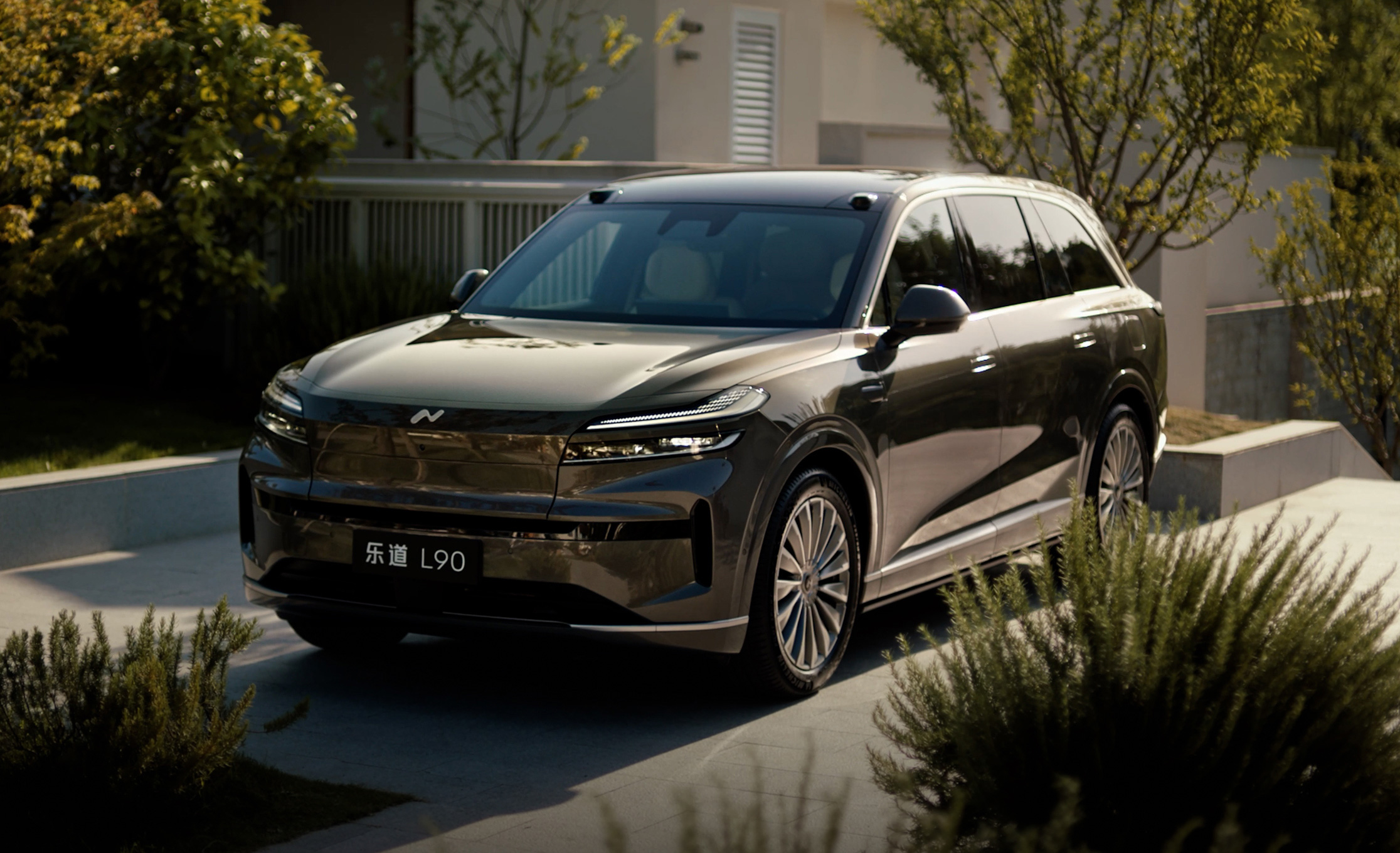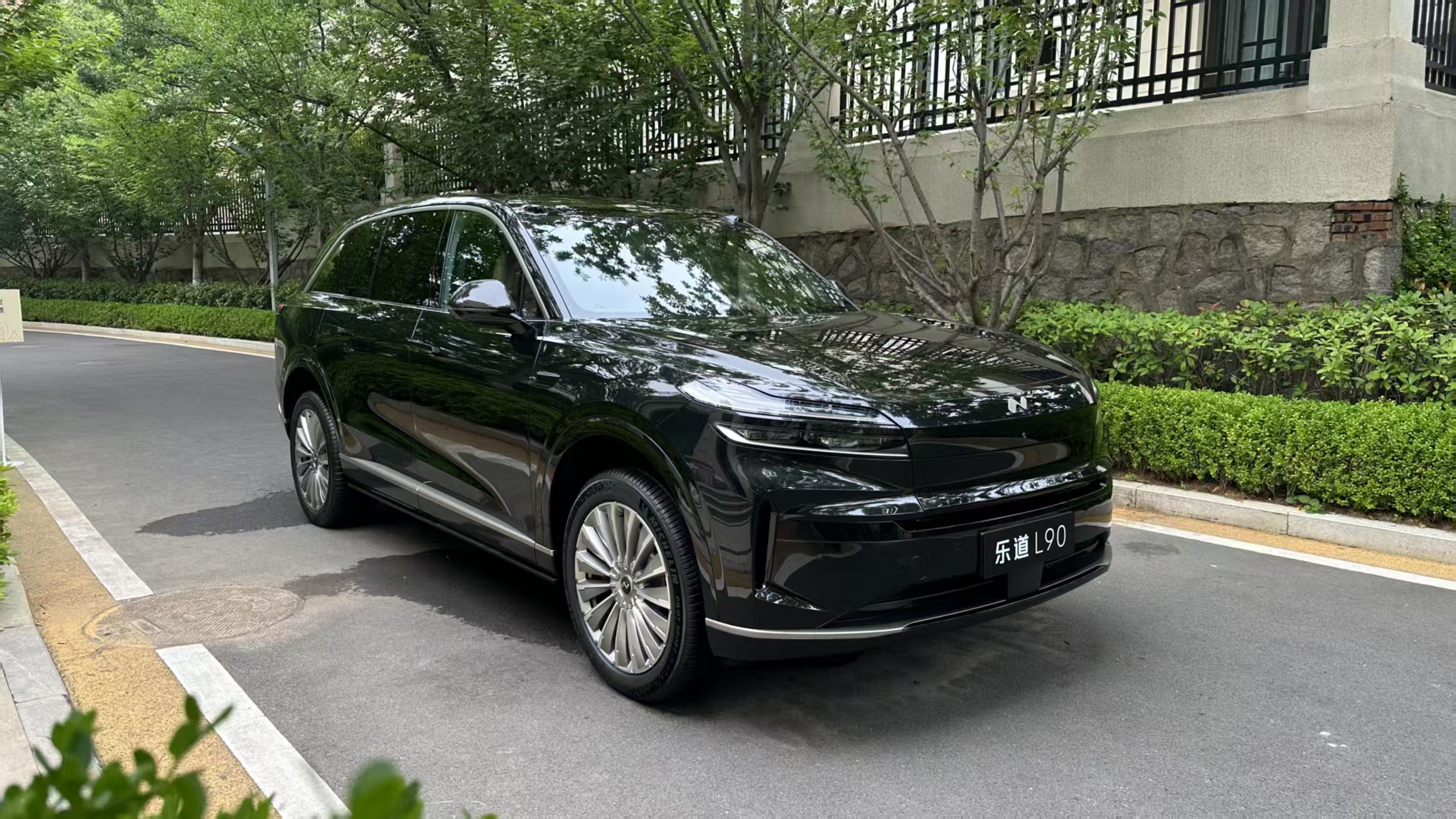
Onvo L90 offers competitive pricing, BaaS model attracts broad customers, challenges rivals with large size and innovative battery leasing.
This weekend, the hottest quote in the new car-making community came from William Li:
“Keep the suspense, but the Onvo L90’s starting price will definitely be under 300,000 RMB ($41,100).” — during a livestream at the Hefei factory on July 6.
He joked, “No choice, we’ve got to fight hard now,” reflecting the intensified competitive landscape for 250,000‑RMB ($35,000) EV SUVs after Xiaomi YU7’s arrival and his insistence on Onvo’s positioning as a “battle-ready” brand.
The L90 is set to open pre-sales on July 10. Based on publicly available information, the only mystery surrounding this flagship model is its final price.

When Onvo brand was launched, William Li emphasized its target range would be 200,000–300,000 RMB ($28,000-$42,000). The L90 is now aiming for the upper end of this range.
However, the BaaS-driven battery-lease model means the actual price range has significant flexibility.
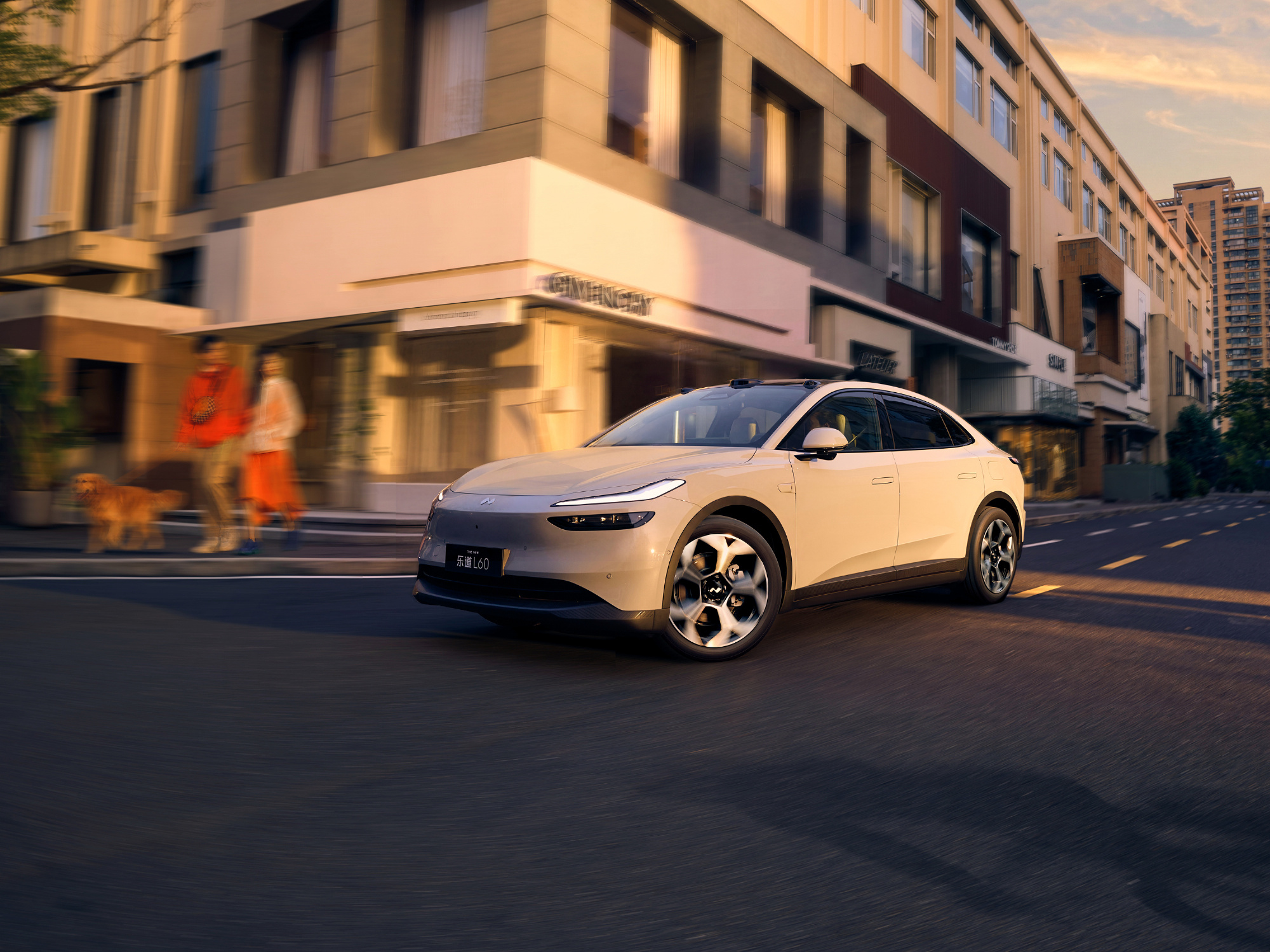
For example, the L60 has an MSRP of 206,900 RMB ($28,900), but under BaaS it can be leased for as low as 149,900 RMB ($20,600).
So, could L90 go full aggressive and drop to a mainstream BaaS price of 199,900 RMB ($27,500)?
If true, would that affect its configuration? And how will it leave room for the L80? How will it go head-to-head with Li Auto i8 and differentiate from NIO’s offerings?
Let’s make a simple prediction.
Is $27,500 Achievable?
Conclusion: Not difficult—but requires smart specs and cost control.
Building a large vehicle while keeping the price low is entirely feasible in China, even for a pure-EV.

The challenge is satisfying size, technology, features, and value-for-money: each addition increases complexity exponentially.
Fortunately, L60 paved the way well.
With ultra-low energy consumption, excellent space utilization, good driving feel, and well-rounded smart features, and a BaaS price of 149,900 RMB ($20,600), it delivered 6,400 units in its first month—even as a debut model for the Onvo brand.
The L90’s price tag is now partly revealed: it comes standard with an 85 kWh battery.

That battery alone costs about 86,000 RMB ($11,800). L60 Long Range variant starts at 235,900 RMB ($33,000) before BaaS, or 149,900 RMB ($20,600) after BaaS.
To reach a BaaS price of 199,900 RMB ($27,500), L90 would need a non‑BaaS MSRP of 285,900 RMB ($39,900). That matches William Li’s statement that the price won’t exceed 300,000 RMB ($41,100)—a narrow gap of just 14,100 RMB ($1,900). It comes down to whether the L90 product team delivers.
Who Can It Compete With at $27,500?
The 200,000 RMB ($28,000) segment is a battlefield.
It includes large plug-in SUVs like Galaxy M9 and Chery Fengyun T11, and intelligent five-seat EVs like XPeng G7, IM LS6, and Li Auto i6.
With a sub‑200,000 RMB BaaS price, L90 becomes a high-value “value-for-money giant” that appeals to more financing-friendly buyers; it also reinforces Onvo’s case for battery-lease.

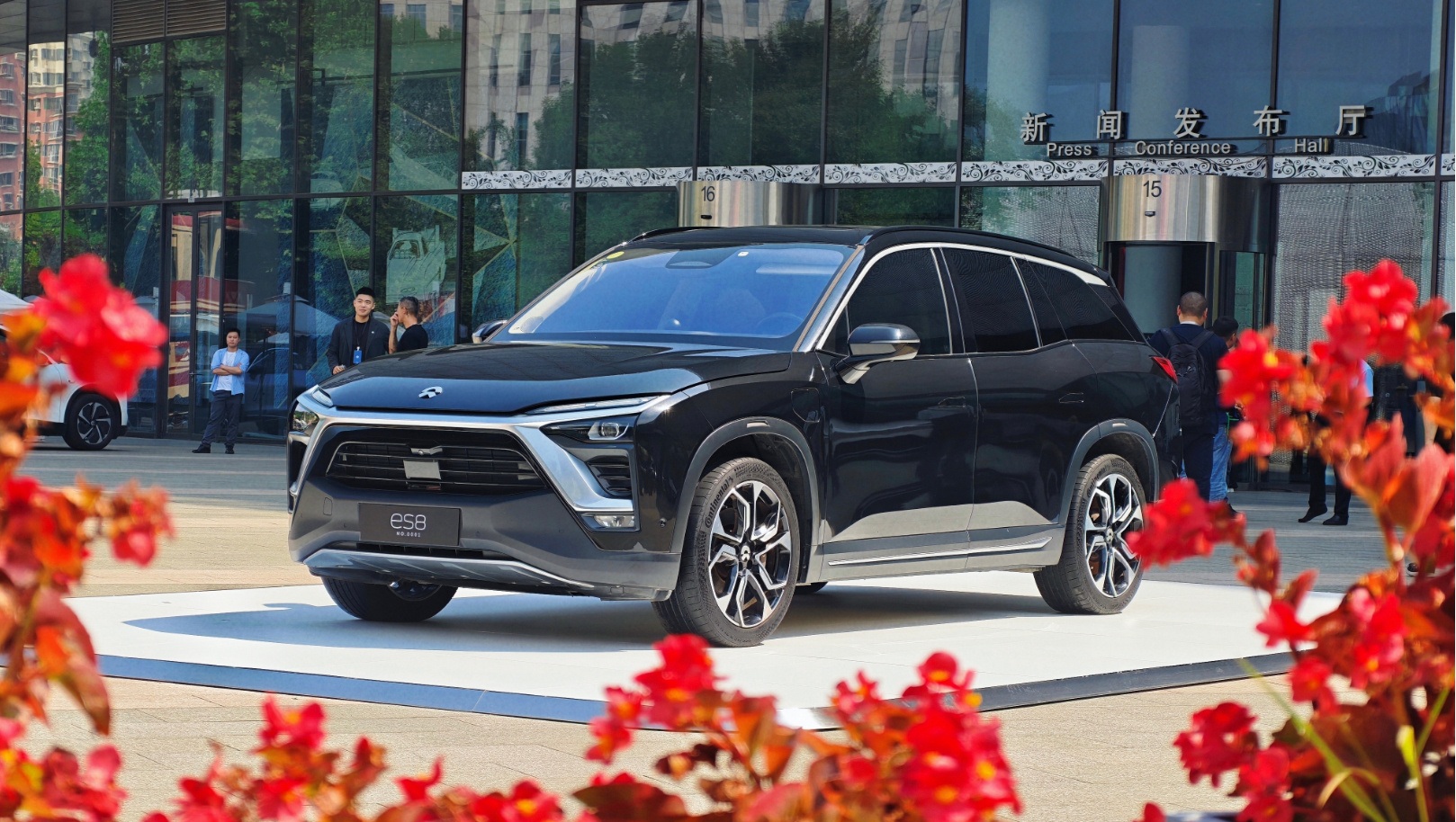
The L90 measures 5145×1998×1766 mm, surpassing NIO ES8 built on NT2.
By contrast, XPeng G7 is 4892×1925×1655 mm, Li Auto i6 is 4950×1935×1655 mm, and even the i8 is 5085×1960×1740 mm—all shorter than the L90.
Thus, even at 200,000 RMB ($28,000) level, L90 is clearly a class above in terms of size; and it also holds its ground against premium 250,000–300,000 RMB ($35,000-$41,100) large EV SUVs.
More importantly, BaaS can also become a powerful tool for the L90 to attract cost-effective large plug-in hybrid SUVs.
In 2025, large plug-in hybrid SUVs will also see intense competition. For example, the Galaxy M9, which we recently experienced, is a typical “532” large plug-in hybrid SUV, measuring 5.2 meters in length and 2 meters in width.
Other plug-in hybrid SUVs of similar size include the Deepal S09, Chery Fengyun T11, GAC Trumpchi Xiangwang S9, and others.
A potential drawback: L90’s 85 kWh capacity delivers up to 605 km CLTC range—not the longest.
But its low entry price and mature battery-swap network are valuable exclusives other brands lack; for consumers, that’s compelling.
Especially if a six-seat full-size SUV can be had at 199,900 RMB ($27,500), the value story is strong.
Differentiation Strategy
But an aggressive L90 price raises internal questions: will it cannibalize ES6? And how to differentiate from L80?
First, although L90 and ES6 may compete internally, ES6 offers superior performance, intelligence, and build quality—NIO ensures clear differentiation.
Second, L80 doesn’t need to diverge greatly from L90.

Since L90 and L80 share exterior dimensions, their core difference lies in seating: one is three-row, the other a cavernous five-seater.
This makes L80 the “undisputed” pure‑EV five-seat large SUV in the market—a smart move. In fact, calling it “pure‑EV” largely aligns with advertising regulations.
In terms of large five-seat EVs, Li Auto L7 is a great reference—it sold 13,000 units in December, driven by success in its product positioning.
With L80’s even more extreme ‘large five-seat’ posture, arguably, L80 might surprise in Q4 even more than L90.
And if more distinction is needed, features like air suspension or audio systems can further separate them.
With both L90 and L80, Onvo will complete its dual-tier pricing layout this year:
- Outright purchase range: 206,900 RMB ($29,600, L60 buyout) – ~300,000 RMB ($42,000, L90 MSRP), aligning with its 200,000–300,000 RMB ($28,000-$42,000) positioning.
- Battery-leasing BaaS range: 149,900 RMB ($20,600, L60 BaaS) – 199,900 RMB ($27,500, L90 BaaS, TBD).
This is Onvo’s bold strategy: use the 150,000–200,000 RMB ($20,940-$28,000) BaaS range to attract prospects in the 180,000–300,000 RMB ($25,050-$42,000) bracket, while simultaneously selling 200,000–300,000 RMB ($28,000-$42,000) full-price EVs.
Whether this strategy succeeds will be revealed at the L90 pre-sale launch on July 10.
Discover more from ChinaEVHome
Subscribe to get the latest posts sent to your email.