Tesla’s six-seat Model Y surfaces with extended wheelbase, facing stiff competition from spacious, feature-rich Chinese three-row electric SUVs.
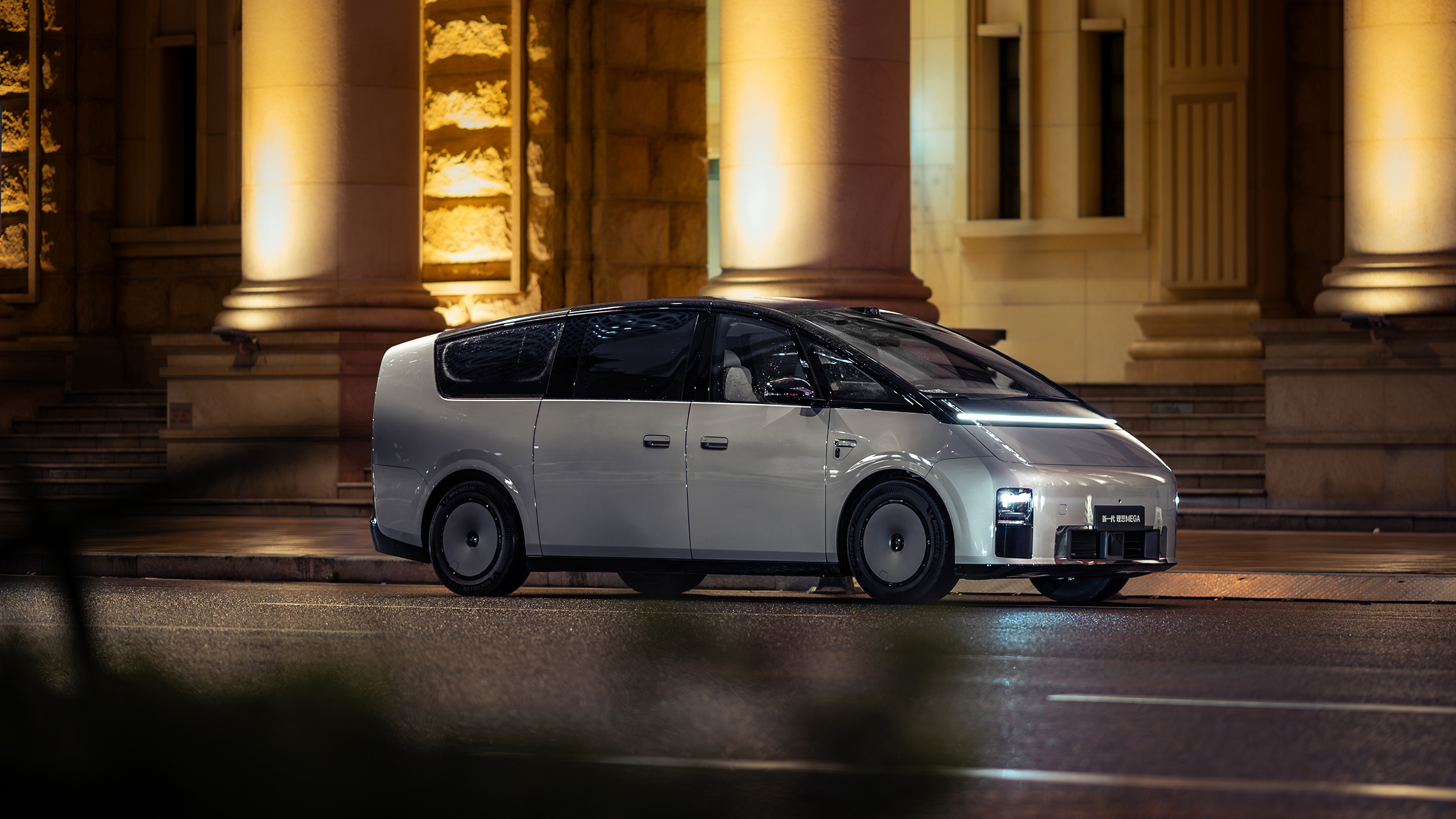
Following the launches of Li Auto’s i8 and ONVO’s L90, another strong contender is poised to enter China’s all-electric three-row SUV market.
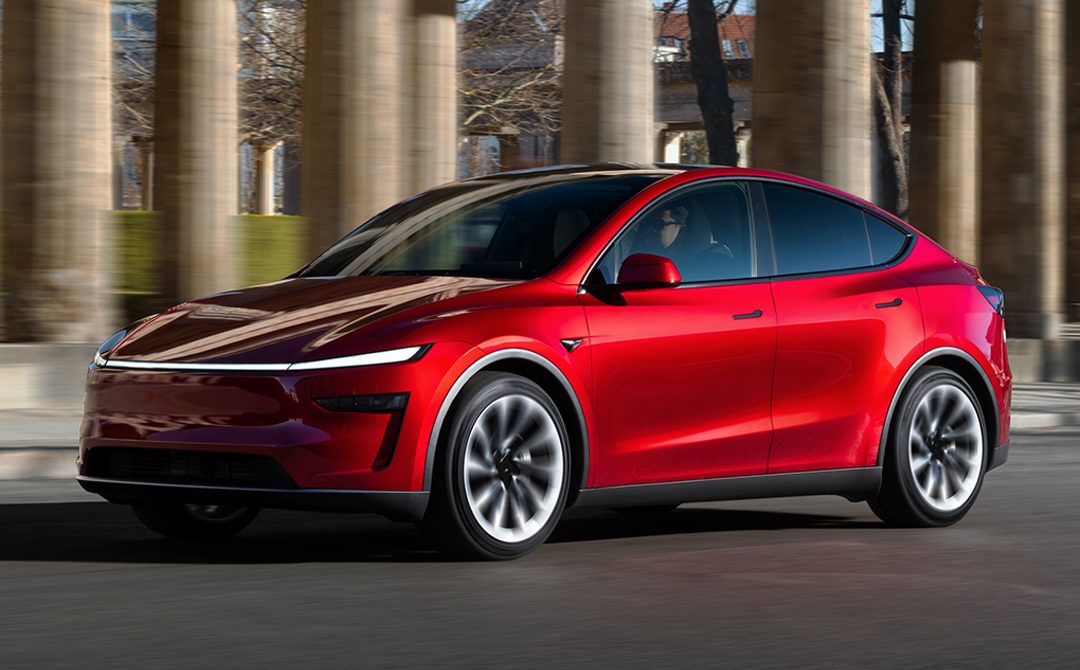
According to a leak from auto blogger @胖虎Shawn, the six-seat version of the Tesla Model Y has rolled off the production line. The model reportedly features a redesigned rear section behind the C-pillar and a wheelbase extended by 10–15 cm to create more third-row space.
Additional details reveal that the second-row seats are perforated, possibly indicating seat ventilation, while the third row lacks this feature. The wheel design also differs from the current model.

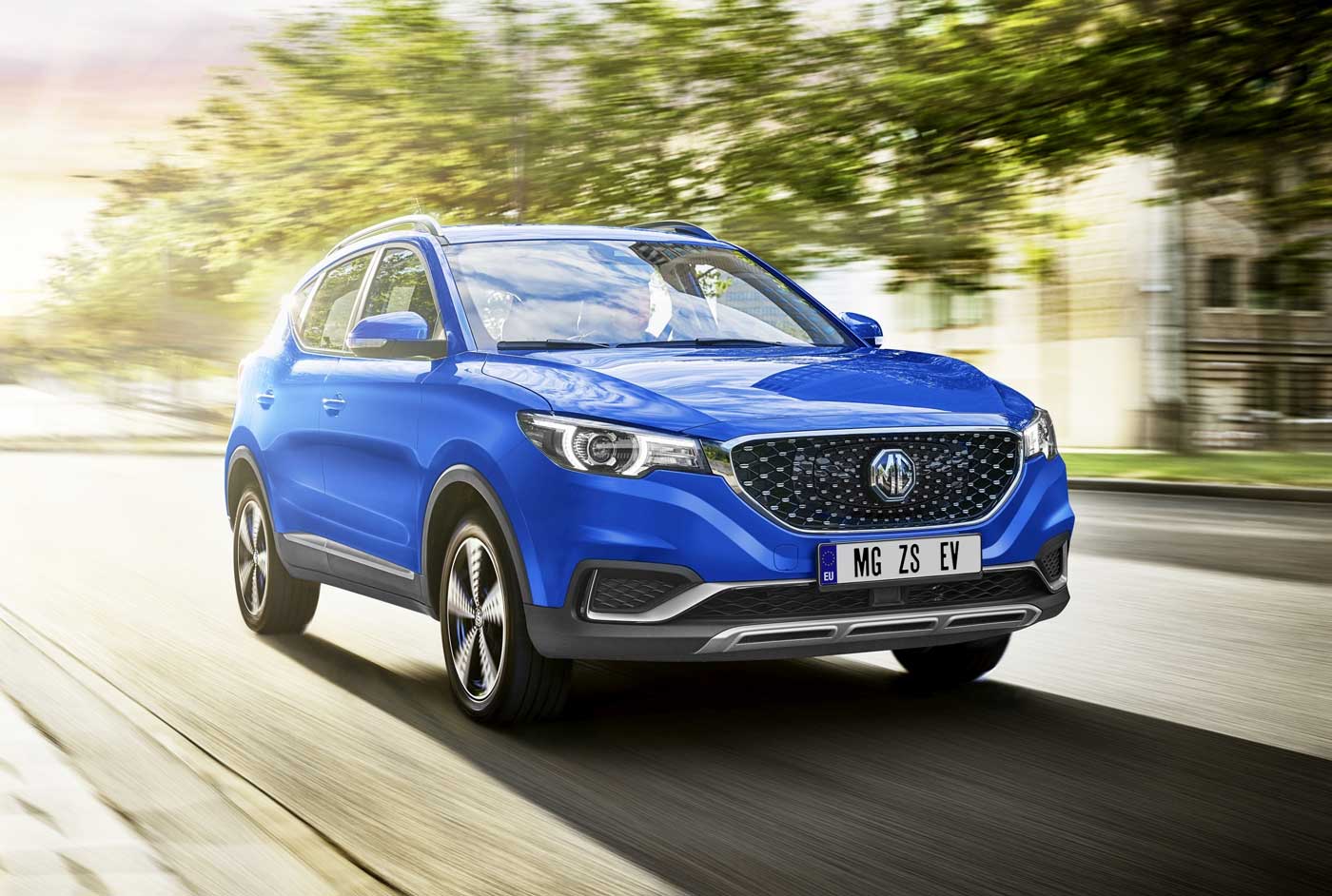
Despite strong competitors like ONVO L90, Lynk & Co 900, Li Auto L9, and AITO M9 dominating the segment, the six-seat Model Y still has the potential to compete head-to-head.
However, while the current Model Y holds its ground as a market staple, the six-seat version—long-awaited and still partially veiled—feels more like a challenger, likely adopting a cautious approach in pricing and specifications.
This long-anticipated, yet still partially veiled all-electric three-row SUV has been years in the making—how is it expected to perform?
Extended Wheelbase
Before the facelift, Tesla had already offered a seven-seat Model Y in North America as a $3,000 option. Except for black, all other Model Y colors come with optional upgrade prices of $1,000, $1,500, or $2,000.
However, due to space constraints from the standard wheelbase and sloped roofline, sales were underwhelming.
Multiple reviews from both domestic and international users criticized the seven-seater’s cramped second and third rows.
In test drive videos of the seven-seat Model Y by bloggers both in China and abroad, a common issue is that men around 1.8 meters tall often find their knees pressing against the front seats in the second row, have difficulty accessing the third row, and risk bumping their heads on the roof. Even slim-built women struggle to enter the third row comfortably.

With a length of roughly 4.8 meters and a 2890mm wheelbase, the current Model Y has decent interior space for a midsize SUV, but adding usable third-row seating within those constraints is unrealistic.
Thus, expanding the size of the Model Y is a logical move for the Chinese market, where large SUVs are favored. According to the leak from @胖虎Shawn, the six-seat Model Y’s wheelbase could be extended to 3040–3090mm. For comparison: Li Auto i8’s wheelbase is 3050mm, ONVO L90’s is 3110mm.
The six-seat Model X, which has different positioning, measures 5057/1999/1680 mm with a 2965mm wheelbase. The six-seat Model Y is expected to measure around 5 meters long, potentially up to 5.2 meters, with a taller roofline to improve third-row headroom.

To enhance comfort, Tesla appears to be upgrading interior features. The second-row seat perforations may suggest ventilation, though the third row likely remains basic due to lower usage frequency.
In line with competitors, the six-seat Model Y may come standard with ventilated, heated, and massaging front seats, and ventilated rear seats as well. Wheel design changes may also help optimize efficiency and range.
In June, well-known Tesla blogger @greentheonly claimed Tesla was developing a six-seat version of the Model Y, adding that it was “unlikely to be China-only.”

With all these changes—longer wheelbase, new C-pillar design, different wheels—some question whether the car will still be called “Model Y.”
Three-Row SUV Boom
What will the six-seat Model Y be priced at?
For reference, the current Model Y starts at RMB 263,500 ($36,890). ONVO L90 is priced from RMB 279,900 ($39,186), while Li Auto L9 and the upcoming i8 start at RMB 409,800 ($57,372) and around RMB 350,000 ($49,000), respectively.
Given its premium positioning and increased size, the six-seat Model Y is likely to start above RMB 350,000 ($49,000), possibly more. This would pit it against models like Li Auto L9, i8, AITO M8, and ONVO L90—which offers aggressive value.

In 2025, China’s electric SUV market is fiercely competitive. Xiaomi’s YU7 openly targets the Model Y. Zeekr 7X and ONVO L60 are gaining momentum. Meanwhile, the i8 and L90 are high-stakes releases for their respective brands.
Compared to these Chinese rivals, Model Y falls short in cabin space, comfort features, smart tech, and perceived luxury—while many of them also offer surprisingly affordable prices.
That said, the six-seat Model Y can still leverage Tesla’s brand recognition, driving dynamics, and attractive financing (like five-year 0% loans) to its advantage.
Despite price cuts in its European market, Tesla’s global sales have declined. In H1 2025, it delivered 720,800 vehicles, down 13.3% YoY. In China, sales reached 263,400 units, down 5.4%.
Tesla’s key new releases, including the six-seat Model Y and its long-rumored entry-level model, are expected in the second half of the year.

Facing fierce competition from increasingly refined and affordable Chinese EVs, can the six-seat Model Y replicate the success of its standard version?
Discover more from ChinaEVHome
Subscribe to get the latest posts sent to your email.