ONVO L60 surpasses Model Y in C-IASI safety tests with 4G scores, showcasing China’s rising edge in vehicle safety innovation.
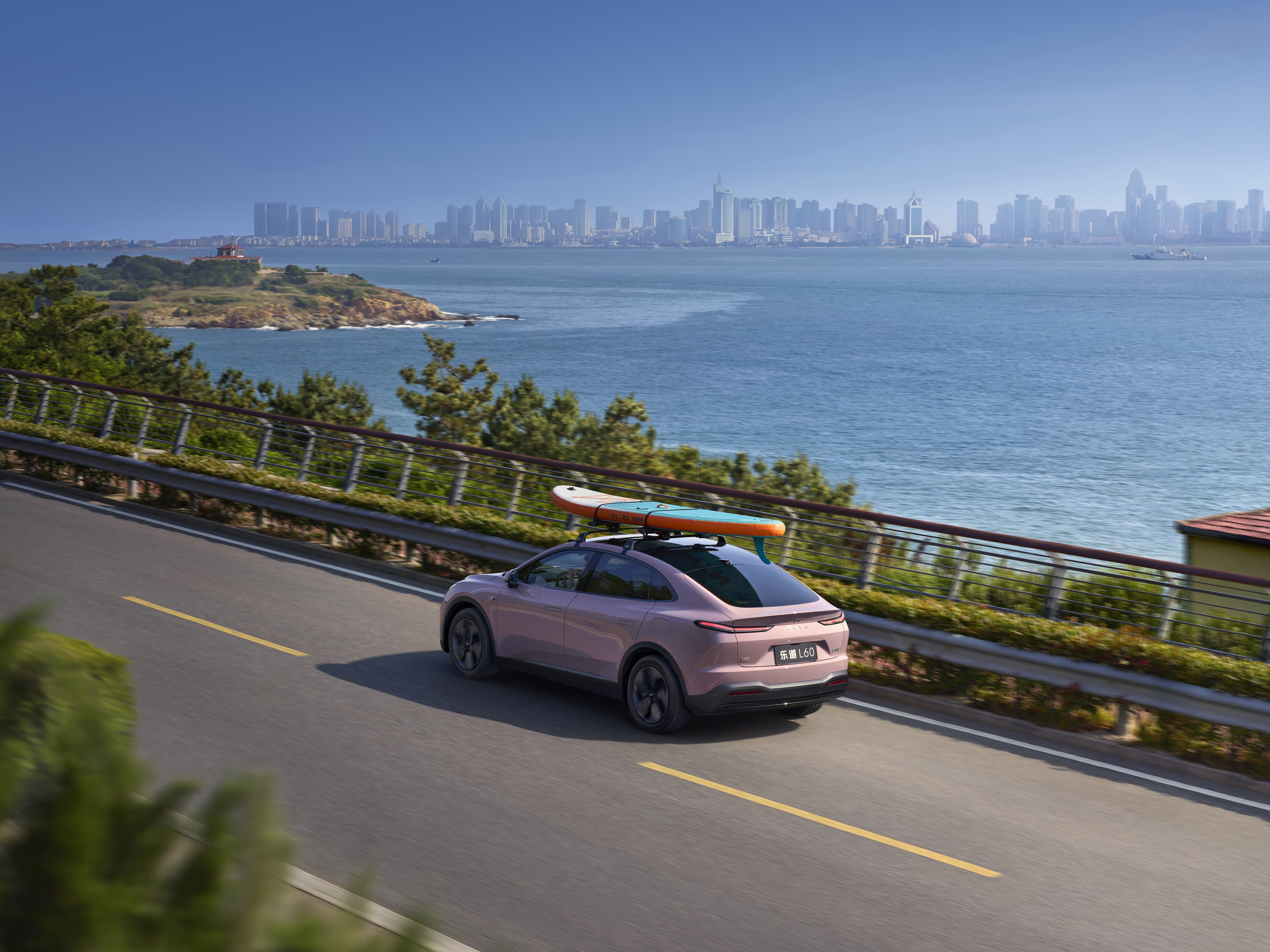
On July 29, China Insurance Automotive Safety Index (C-IASI) released its latest safety test results for the 2025 model year. The first batch of vehicles all performed well across multiple safety categories. Among the most closely watched models were the ONVO L60 and Firefly from NIO’s two sub-brands, both of which achieved a full “4G” safety rating.

Specifically, the ONVO L60 received scores of “G”, “G+”, “G+”, and “G+” across the four test areas, meaning it earned the highest rating in all categories except for “crashworthiness and maintenance economics.”
Notably, achieving a “G” in crashworthiness and maintenance economics already places it ahead of many new energy competitors.
Especially when compared to the Model Y.
Back in 2022, C-IASI tested the 2021 domestic version of the Model Y, which received ratings of “P”, “G”, “G”, and “G”—meaning the ONVO L60 has effectively “outperformed it across the board.”
In addition, the 2025 Model Y has already entered C-IASI’s test list, but its results have yet to be released. Given that the updated Model Y hasn’t undergone significant changes to its chassis or vehicle architecture, the results are expected to be largely similar.

Earlier, ChinaEVHome was invited to attend a small event held by ONVO to showcase the L60’s safety designs and core engineering approaches.
Let’s take a closer look at how the ONVO L60 achieved its “4G” ratings and managed to surpass the Model Y in terms of safety.
Easier to Repair
Looking at the scorecards, most domestic NEVs are capable of achieving “G+” in the latter three categories, but “maintenance economics” has proven to be a hurdle for many.
A case in point is the Model Y.
Due to its one-piece rear subframe constructed via large-scale integrated die casting and the use of aluminum—an expensive and hard-to-repair material—damage in a collision usually requires full replacement, leading to a much higher parts-to-vehicle cost ratio.
By contrast, ONVO explained that they’ve made significant efforts to improve repair costs.
For example, the L60 features a “100% coverage low-speed crash protection design” at both the front and rear. It’s specifically engineered for 5–15 km/h low-speed urban collisions, using elastic foam, a grid-like aluminum crash box, and wider impact bars to control the range of damage.
More importantly, this design helps prevent damage to core structural components like the longitudinal beams during minor impacts, significantly reducing repair costs.
They also highlighted the protective design for the front 4D millimeter-wave radar. Essentially, the ONVO L60 has a buffer bracket to absorb impact and increase the radar’s survival rate in collisions.
As for the other safety ratings, survivability in all types of crashes is largely attributed to its highly optimized white body frame. While the conceptual design is similar to that of the Model Y, the ONVO L60’s use of materials and refined structural design helped it achieve three “G+” scores, whereas the Model Y only reached “G”.
For the ONVO L60’s white body, the brand emphasized the use of 1500MPa and 2000MPa high-strength steel.
The 1500MPa steel is mainly applied in the upper and lower front crash beams and the full-frame guiding subframe, while the 2000MPa steel is used in the doors and “primary beams,” offering enhanced rigidity in critical areas.
You can see in the displayed white body structure how the integration of various steel strengths and impact-dispersing frame design, along with larger, more comprehensive airbags throughout the vehicle, enable the ONVO L60 to achieve high-end crash safety ratings while remaining in a lower price segment.

In addition to strong passive safety, the ONVO L60 also excels in active safety features.
Active Safety: Dual Strategy
Built on intelligent recognition algorithms, active safety has become an essential component of overall vehicle safety. In many cases, it helps protect not just the occupants but also external traffic participants.
During the event, ONVO emphasized how features like AEB (Automatic Emergency Braking) significantly boost safety. One of the L60’s key advantages is its wide detection coverage—up to 240°. This allows the system to monitor both forward and partial side fields of view.

Moreover, its night-time AEB can brake to a full stop from speeds up to 120 km/h, making it effective even during nighttime highway driving. Other standard active safety features include lane keeping, blind spot monitoring, and door opening warnings—all aligning with the quality of the higher-end NIO models.
Overall, the ONVO L60 and other domestic NEVs performed impressively in the new C-IASI safety evaluations, reflecting a broad industry consensus that “safety is the ultimate luxury.”
Importantly, cost-effective models are no longer sacrificing safety to stay within budget, which helps raise the reputation of China’s emerging EV brands.
On a broader level, the data indicates that with the help of intelligent technology, Chinese NEVs are beginning to surpass traditional automakers in core areas like safety—and reaching new heights in the process.
In the past, when we talked about vehicle safety, brands like Volvo naturally came to mind. Their edge was combining excellent active and passive safety features. Now, comprehensive vehicle safety is no longer exclusive to premium offerings, and this shift may well become a defining feature of China’s maturing NEV industry.
Discover more from ChinaEVHome
Subscribe to get the latest posts sent to your email.