Starting in 2027, the CEA will expand from Volkswagen’s locally developed BEV models to include ICE and PHEVs produced in China.
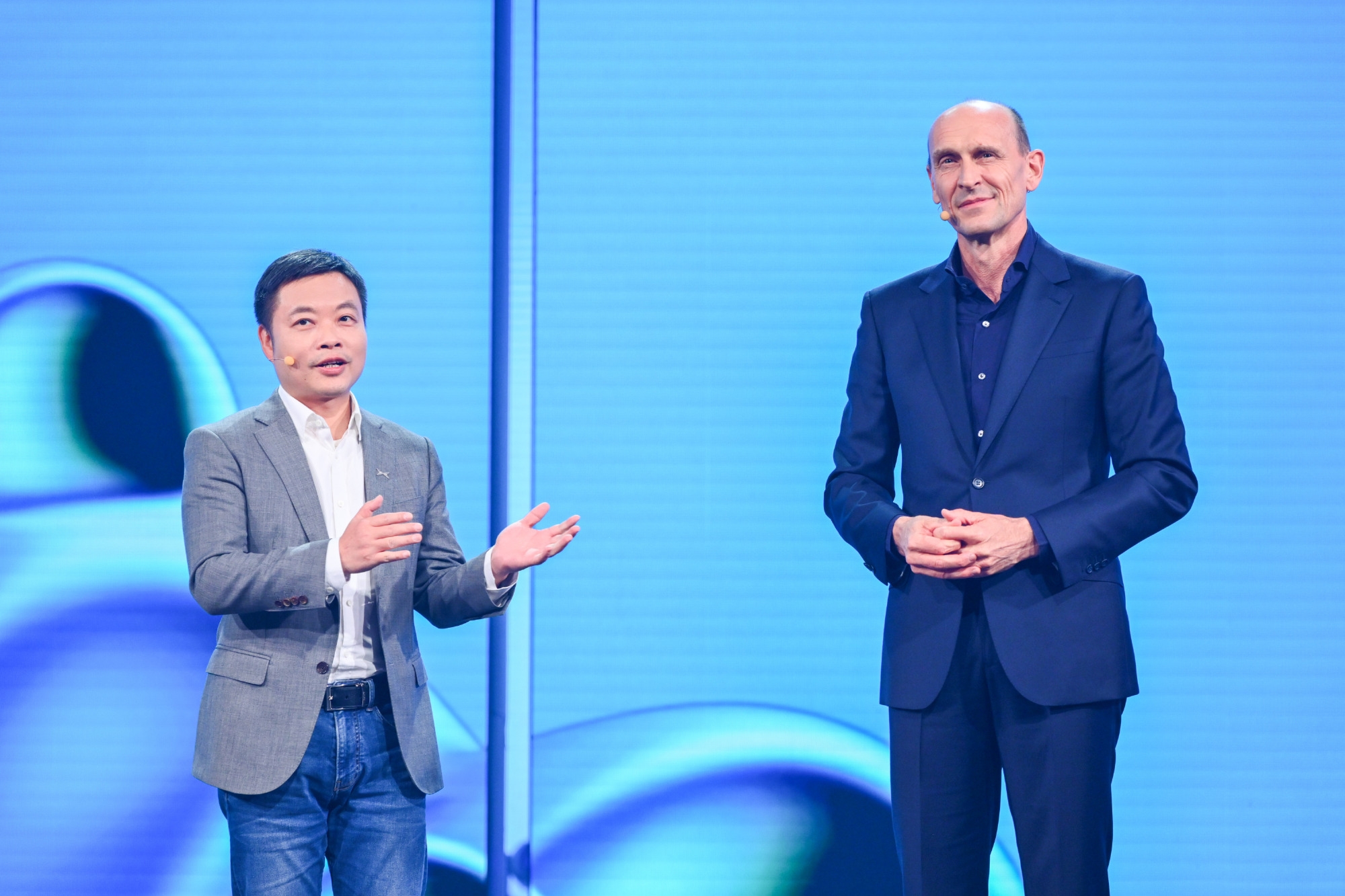
On August 15, XPeng Motors and Volkswagen Group announced the signing of an expanded strategic cooperation agreement on the China Electronic Architecture (CEA) technology.

Under the agreement, the jointly developed CEA—originally planned for Volkswagen’s battery electric vehicle (BEV) platforms in China—will now be extended to cover internal combustion engine (ICE) and plug-in hybrid (PHEV) models as well.
The agreement builds on the initial CEA technology partnership signed on July 22, 2024, in which both sides committed to co-developing an advanced E/E architecture (ICE) for Volkswagen’s BEVs in the Chinese market.

Less than a year into development, the project has entered a critical phase. Starting in 2027, Volkswagen plans to gradually roll out the CEA across its ICE and PHEV models produced in China, enabling a cross-platform, multi-powertrain deployment. This unified technical foundation will support faster software iteration, over-the-air updates, and reduced development cycles for new models.
“This is about breaking the boundaries of powertrain types,” said Ralf Brandstätter, CEO of Volkswagen Group (China). “Extending the CEA to ICE models strengthens our technological edge in the traditional power sector, boosts our competitiveness in China, and frees up resources for investing in future innovations.”
The partnership traces back to July 2023, when Volkswagen announced a $700 million investment in XPeng and the joint development of two B-segment EVs slated for mass production in 2026.
In January this year, XPeng and Volkswagen China announced an upgraded collaboration to jointly build China’s largest ultra-fast charging network. In June, the Financial Times reported that XPeng’s in-house Turing AI chips are expected to be integrated into selected Volkswagen models.
Discover more from ChinaEVHome
Subscribe to get the latest posts sent to your email.