Despite NIO still reporting a net loss in Q2, William Li emphasized that the company is committed to achieving profitability and hitting the target of 50,000 monthly deliveries by Q4, with a current focus on enhancing cost control efficiency and optimizing its product mix.
NIO in the third quarter is in a stage of a comprehensive rebound.
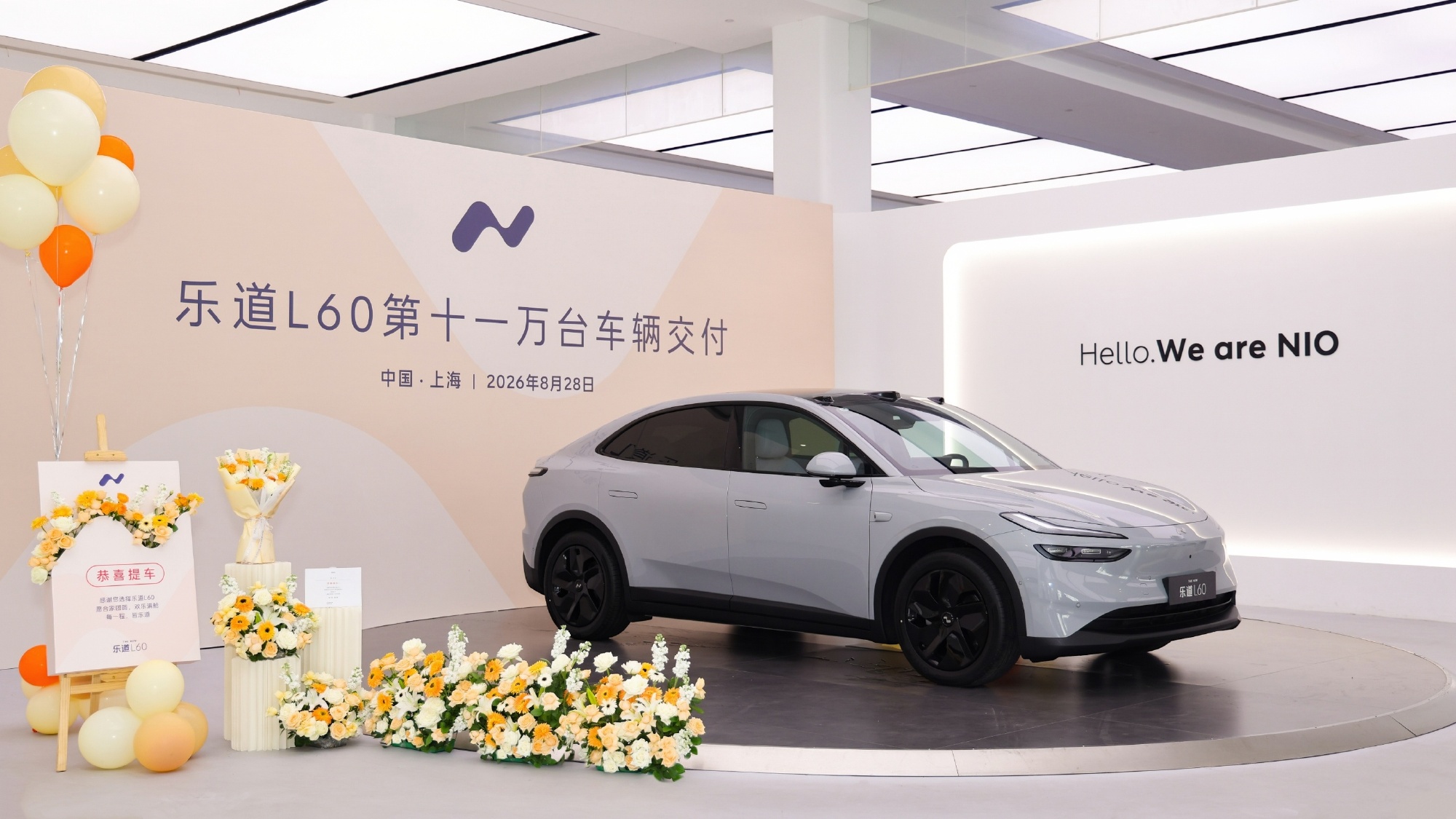
On one hand, the delivery volume of the ONVO L90 has exceeded 10,000 units, propelling NIO to regain its monthly delivery of over 30,000 vehicles (“NIO 30k”) and achieve a new delivery record.
On the other hand, although its new pricing system has sparked debates, it will undoubtedly provide strong momentum for sales in the coming months.
This naturally leads back to the “fundamental responsibility” that William Li mentioned in a face-to-face discussion last week: Can NIO become profitable in Q4? And how?
Last night, NIO’s Q2 earnings call concluded.
Last quarter, William Li stated that NIO aimed to achieve a monthly delivery volume of 50,000 units in Q4. In several internal speeches leaked this year, he also emphasized that profitability in Q4 is “a must.”

In Q2, NIO reported a net loss of RMB 4.9948 billion ($699.27 million), a 26% decrease quarter-on-quarter (QoQ). Coupled with a 71.2% QoQ surge in delivery volume and the blockbuster new models launched in Q3, NIO is approaching an inflection point and accumulating growth momentum.
However, beyond the numbers we have already witnessed, what other factors give William Li and NIO confidence? How will NIO achieve its profitability target in Q4?
Let’s take a look at William Li’s latest statements.
1. Accelerating Toward Improvement
First, let’s examine where NIO made progress in Q2 and where it still needs to strengthen.
- Delivery & Revenue: NIO sold 72,056 new vehicles in Q2, representing a 25.6% year-on-year (YoY) increase and a remarkable 71.2% QoQ growth—an obvious countercyclical surge. However, affected by the average prices of models like the ONVO L60 and Firefly, the YoY growth rate of its Q2 revenue lagged behind its QoQ performance.
- Total revenue reached RMB 19.0987 billion ($2.728 billion), up 9% YoY and 57.9% QoQ (the QoQ revenue growth was slightly lower than that of deliveries).
- Automotive revenue stood at RMB 16.1361 billion ($2.305 billion), rising 2.9% YoY and 62.3% QoQ.
- Profitability Metrics: This revenue structure was reflected in its gross margin—with an automotive profit margin of 10.3%, still lower than the 12.2% recorded in the same period of 2024.
- However, positive signs emerged in net losses: NIO’s Q2 net loss narrowed by 1% YoY and 26% QoQ, indicating significant optimization in its expense ratio.

Key Drivers of Improved Efficiency
- Cost Control: According to the earnings report, due to higher delivery volumes and increased costs related to used car sales, NIO’s Q2 cost of sales was RMB 17.1111 billion ($2.444 billion), up 8.6% YoY and 53.9% QoQ. Notably, the growth rate of costs was lower than that of revenue.
- R&D Expense Optimization: R&D expenditure amounted to RMB 3.007 billion ($429.57 million), a 6.6% YoY decrease and a 5.5% QoQ decrease. This was attributed to “different development stages of new products and technologies, as well as reduced design and development costs.”
Combined, these two factors accelerated the narrowing of losses. William Li stated in the earnings report: “Starting from Q2, the effects of our comprehensive cost reduction and efficiency improvement initiatives have begun to show. Excluding organizational optimization costs, our non-GAAP operating loss improved by more than 30% QoQ.”
NIO did not provide an aggressive sales forecast for Q3, instead setting a range of 87,000–91,000 units. This implies that NIO expects to deliver 34,678–38,678 units in September.
The forecast is considered “not aggressive” because, as William Li noted, orders for the ONVO L60 increased by 30% QoQ in August. Additionally, last week brought major news: NIO fully adjusted the pricing system for its main brand, with the starting price of the ET5 (under the battery rental plan) dropping to RMB 190,000 ($27,143).

William Li revealed during the earnings call that the full supply chain capacity is expected to reach full ramp-up in Q4. By then, NIO will not only exceed the monthly delivery threshold of 40,000 units but also be “determined to achieve 50,000 monthly deliveries.”
2.”NIO 50k”: A Bold Target for Q4
When William Li announced the goal of “striving for 50,000 monthly deliveries by the end of the year” during the Q1 earnings call, public opinion remained skeptical. However, with the launch of the ONVO L90 and ES8, NIO’s confidence and determination have become fully evident.
Last night, William Li further detailed this target: NIO will aim for 50,000 monthly deliveries in each month of Q4, equivalent to a quarterly milestone of 150,000 units. NIO’s total deliveries in 2024 were 220,000 units, meaning that Q4 2025 deliveries are expected to account for 70% of last year’s full-year volume.
The ONVO L90 recently achieved a monthly delivery of 10,575 units—ranking third among new energy vehicle (NEV) startups for full-month deliveries and being the only pure electric SUV in this top tier.

William Li stated that in October, the full supply chain capacity for the ONVO L90 will be increased to 15,000 units per month; next, the all-new ES8 will also see its capacity ramp up to 15,000 units per month. This means that the monthly delivery target for these two large three-row SUVs will each be 15,000 units, totaling 30,000 units—equivalent to NIO’s total deliveries in August.
However, these two models alone are not sufficient to achieve the “NIO 50k” target.
Last week, both William Li and Shen Fei revealed that the popularity of the ONVO L90 had also driven sales of the ONVO L60. Tonight, William Li further emphasized that orders for the ONVO L60 reached an all-time high in August.
Currently, though, the ONVO L60’s production capacity is temporarily being prioritized for the ONVO L90—this balance between ramp-up speed and capacity is a key reason why William Li set the overall supply chain target for October rather than September.
William Li expects that the battery capacity for the ONVO series will be significantly alleviated by October: over the weekend, the 85 kWh batteries for ONVO, supplied by CATL, officially entered production.
With the ONVO L60 included, William Li believes that the ONVO brand’s supply chain capacity will reach 25,000 units per month in Q4—officially putting the ONVO L60’s target of exceeding 10,000 monthly deliveries on the agenda, which will be a major test for the model after its re-launch.

Capacity Planning for Other Brands
- For the Firefly, the latest target announced tonight is to achieve a peak monthly capacity of 6,000 units in Q4.
- Adding the all-new ES8 (10,000 units) and the NT2 platform (15,000 units), NIO’s total peak supply chain capacity in Q4 will reach 56,000 units per month—slightly exceeding the delivery target. This indicates that NIO is streamlining its production chain to ensure the “foundation” of its delivery target remains solid.
Adjustments to New Model Launches
Against the backdrop of the “NIO 50k” goal, the ONVO L80 has been put on hold. William Li stated that there are no plans to deliver the ONVO L80 within this year due to insufficient capacity, and a decision on whether to launch it this year will depend on further market assessment.
Looking ahead, NIO’s main brand has confirmed two new models for next year: the three-row flagship ES9 and the large five-seat ES7, both of which will begin deliveries in 2025. Thus, NIO will continue to launch three distinct mid-to-large pure electric SUVs next year, further targeting the popular segments in the Chinese market.
Updates on Existing Product Lines
Finally, regarding the 5566 series and the Firefly: Qin Lihong clearly stated last week that no new models under the 5566 series will be launched by 2026.

Tonight, William Li further emphasized:The 5566 series has been upgraded to the latest Cedar intelligent platform, so its product strength is already sufficient, and there is no rush for a facelift.
The Firefly brand will not release a second model next year, though William Li left a small window: “Minor product updates, such as the newly launched ‘Champion Commemorative Edition,’ will still be available.”
3. Path to Profitability
With delivery and capacity targets reaching new heights, is NIO’s profitability target guaranteed?
First, let’s look at the overall goal: NIO’s automotive gross margin in Q2 was 10.3%, so what level of automotive gross margin does it aim to achieve in Q4 to translate into overall profitability?
The figure announced tonight is 16–17%—NIO’s target for overall automotive gross margin in Q4.
NIO in the third quarter is in a stage of a comprehensive rebound.
- Product Mix Optimization: In Q2, the new 5566 series accounted for only 20% of deliveries (not fully transitioned), which partially dragged down the gross margin. Going forward, the Q4 gross margin target for the ONVO L90 and ES8 is 20%.
- Brand-Level Gross Margin Targets: William Li believes that NIO’s overall automotive gross margin should eventually reach 20%, broken down as follows:
- NIO’s main brand: “Achieve 20% and strive for 25%.”
- ONVO brand: Maintain 15% and aim higher.
- Firefly brand: 10%.

Regarding whether the pricing of the ONVO L90 and ES8 is a “loss-leading strategy,” William Li emphasized that sufficient preparations were made during the product definition phase, with the goal of offering an “aggressive price point.”
Expense Efficiency: A Top Priority
Beyond improving revenue efficiency, optimizing spending efficiency has been the focus of NIO’s organizational transformation this year.
During the Q1 earnings call, William Li mentioned a Q4 cost target:
“Under GAAP, the ratio of SG&A (Selling, General, and Administrative) expenses to cost of sales will be around 10%.”
- This ratio was 40% in Q1 and dropped to 23.17% in Q2. While still higher than Li Auto’s 11.15% and XPeng’s 14.36% in Q2, the narrowing trend is clear.
- William Li noted that Q3 will see higher marketing expenses due to a series of new product launches (including ONVO models), so the 10% target will not be met in Q3. However, driven by a significant increase in sales volume, the expense ratio will continue to optimize, and the final target is expected to be achieved in Q4.

NX9031 – NIO Shenji NX9031
R&D Expense Control
R&D is another major expense item:
- NIO’s Q2 R&D investment was RMB 3 billion ($428.57 million). Starting from Q3, the CBU (Cellular Business Unit) mechanism is expected to further improve R&D efficiency, with an official target of reducing R&D investment to RMB 2 billion ($285.71 million) in Q4.
- In the long run, NIO will stabilize its quarterly R&D investment at an average of approximately RMB 2.5 billion ($357.14 million).
In addition, William Li believes that cost reductions driven by R&D also contribute to accelerating profitability. At the end of the conference call, he gave an example: “Compared with industry solutions of similar performance, the self-developed Shenji chip has reduced the unit procurement cost significantly—I won’t go into the specific amount, but it’s a substantial reduction.”
4. Consolidating and Moving Forward
Entering Q3, it is evident that NIO has moved beyond its previous “reflection” on past setbacks and entered a new growth phase. From the most visible new products (such as ONVO series models) and marketing to the underlying R&D and expense management, NIO is accelerating on all fronts.
In the short term, this acceleration is aimed at achieving profitability in Q4. Ultimately, however, NIO’s mission—as William Li put it—is to “survive” and be responsible to its 800,000 (soon to exceed 1 million) users.

NIO will aim for the quarterly delivery milestone of 150,000 units in Q4. What do you think of William Li’s chances of success? Share your thoughts in the comments.
(End)
Discover more from ChinaEVHome
Subscribe to get the latest posts sent to your email.