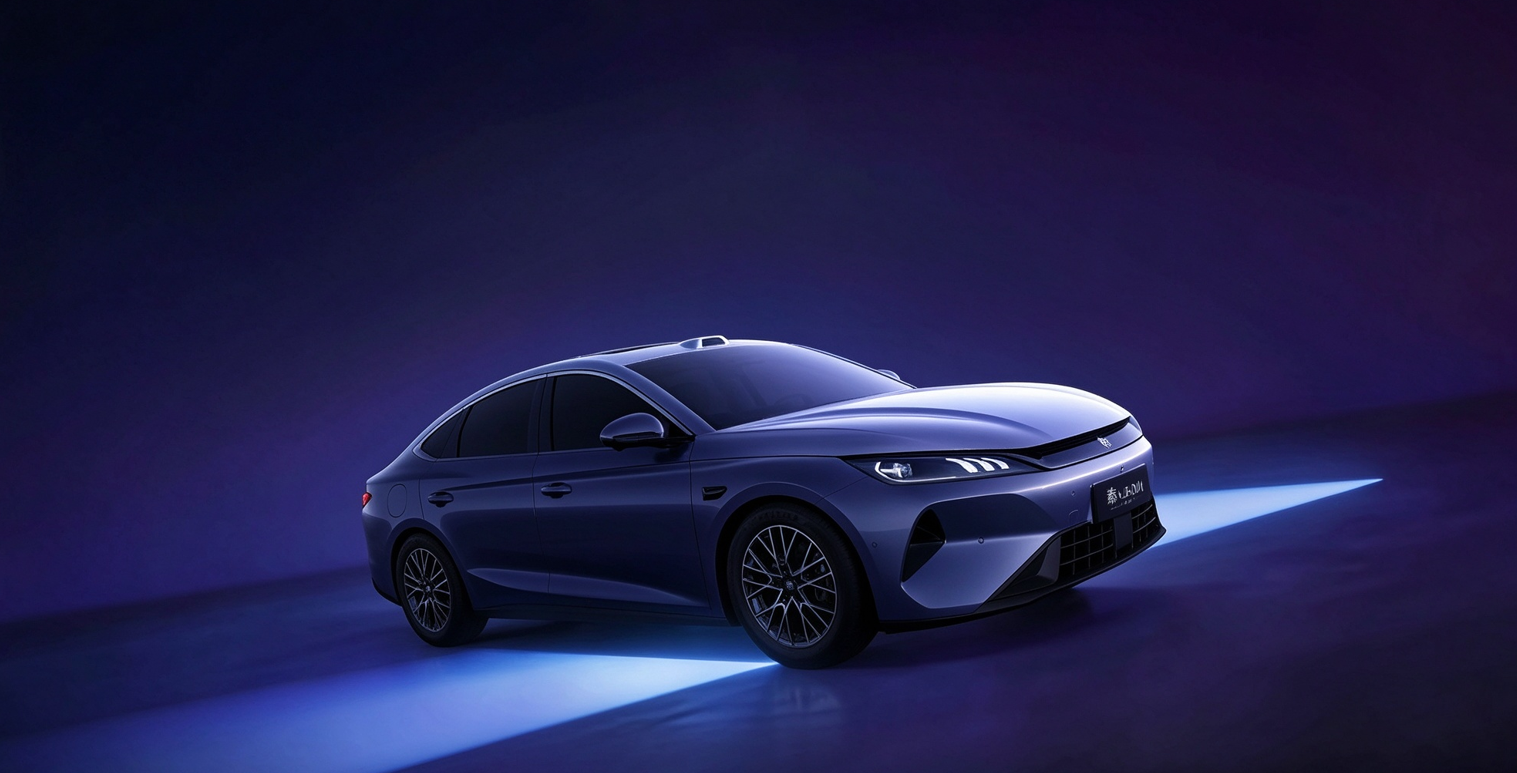
BYD is accelerating its in-house intelligent driving chip program, targeting solutions with up to 80 TOPS computing power for vehicles priced between RMB 80,000 and RMB 300,000 ($11,240–$42,130).
Recently, BYD’s Executive Vice President Stella Li told CNBC that the company has contingency measures in place should Nvidia’s automotive chips become unavailable. Although no notice has been received to discontinue the use of such products, BYD “already has backup plans.”
Li did not disclose specific details but pointed to the global semiconductor shortage during the pandemic as an example. At the time, many automakers were caught in supply chain disruptions, but BYD managed to find alternatives quickly thanks to its in-house R&D and high level of self-sufficiency, with production largely unaffected.

She stressed: “Every company prepares backup plans, and BYD is no exception. We have deep technological reserves, so we always find a way.”
BYD’s confidence stems from its long-standing strategy of vertical supply chain integration and independent R&D of key semiconductors.
Industry estimates suggest that about 75% of the company’s components are produced in-house, covering batteries, electric motors, and certain chips. This has allowed BYD to remain resilient during global shortages.
At the same time, the company is accelerating its self-developed intelligent driving chip program, spearheaded by BYD Semiconductor and in partnership with TSMC and MediaTek. The goal is to deliver computing power of up to 80 TOPS for vehicles priced between RMB 80,000 and RMB 300,000 ($11,240–$42,130).
In addition, the “BYD 9000” smart cockpit chip, built on 4-nanometer process technology, was unveiled earlier this year. Supporting multi-screen connectivity, it is expected to debut in Fangchengbao-branded vehicles.

Nonetheless, BYD has not completely abandoned external partnerships. The company still uses Nvidia’s DRIVE Orin AI platform in its autonomous driving systems and collaborates with Huawei in the smart cockpit domain.
Li emphasized that there is no indication China will prohibit the use of Nvidia’s automotive chips, adding she believes such a scenario is “highly unlikely.” In her words: “No country would do that, because it would essentially kill Nvidia.”

Against the backdrop of tightening global chip supply and intensifying geopolitical tensions, automakers are increasingly pursuing in-house chip R&D.
NIO Inc. introduced its self-developed intelligent driving chip “Shenji NX9031” in 2023, which is already integrated into models such as the ET9, ET5/ET5T, ES6, EC6, and ES8.
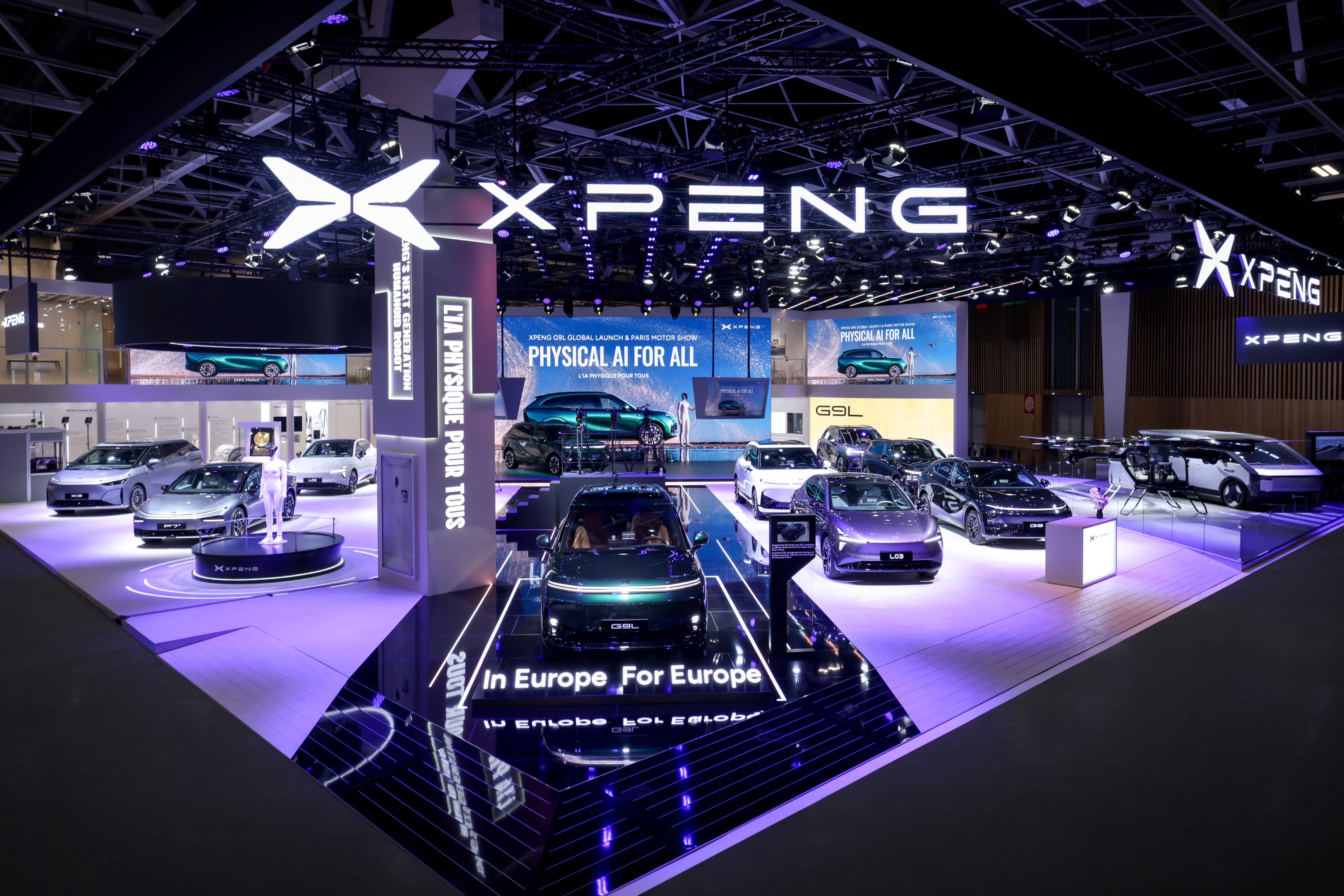
Xpeng has rolled out its in-house “Turing AI chip,” now mass-produced and used in the Xpeng G7 and other models. Li Auto’s M100 intelligent driving chip returned its first engineering samples in Q1 this year, with mass production expected in 2026.
As artificial intelligence becomes a core differentiator in EVs, automakers with self-developed chip capabilities are likely to hold a stronger competitive edge compared with those relying solely on external suppliers.
Discover more from ChinaEVHome
Subscribe to get the latest posts sent to your email.