Global BEV sales in Q2 2025 grew 31% year-over-year, while plug-in hybrid electric vehicle sales increased by 17%.
On September 24, the market research firm Counterpoint Research released its “Global Electric Vehicle Market Share Report for Q2 2025.”
Data shows that the global new energy vehicle market experienced strong growth in Q2 2025, with a year-over-year increase of 26%.
Among them, battery electric vehicles continued to dominate, accounting for approximately two-thirds of total NEV sales.
In terms of sales volume, global BEV sales in Q2 2025 grew 31% year-over-year, while plug-in hybrid electric vehicle sales increased by 17%.
In the second quarter of this year, EV penetration reached a new high, accounting for 24% of global passenger vehicle sales, up from 20% in the same period last year. In other words, nearly one in every four vehicles sold globally was an electric vehicle.
Looking at specific markets, China remained the primary growth engine, contributing 63% of global EV sales, followed by Europe and the United States.
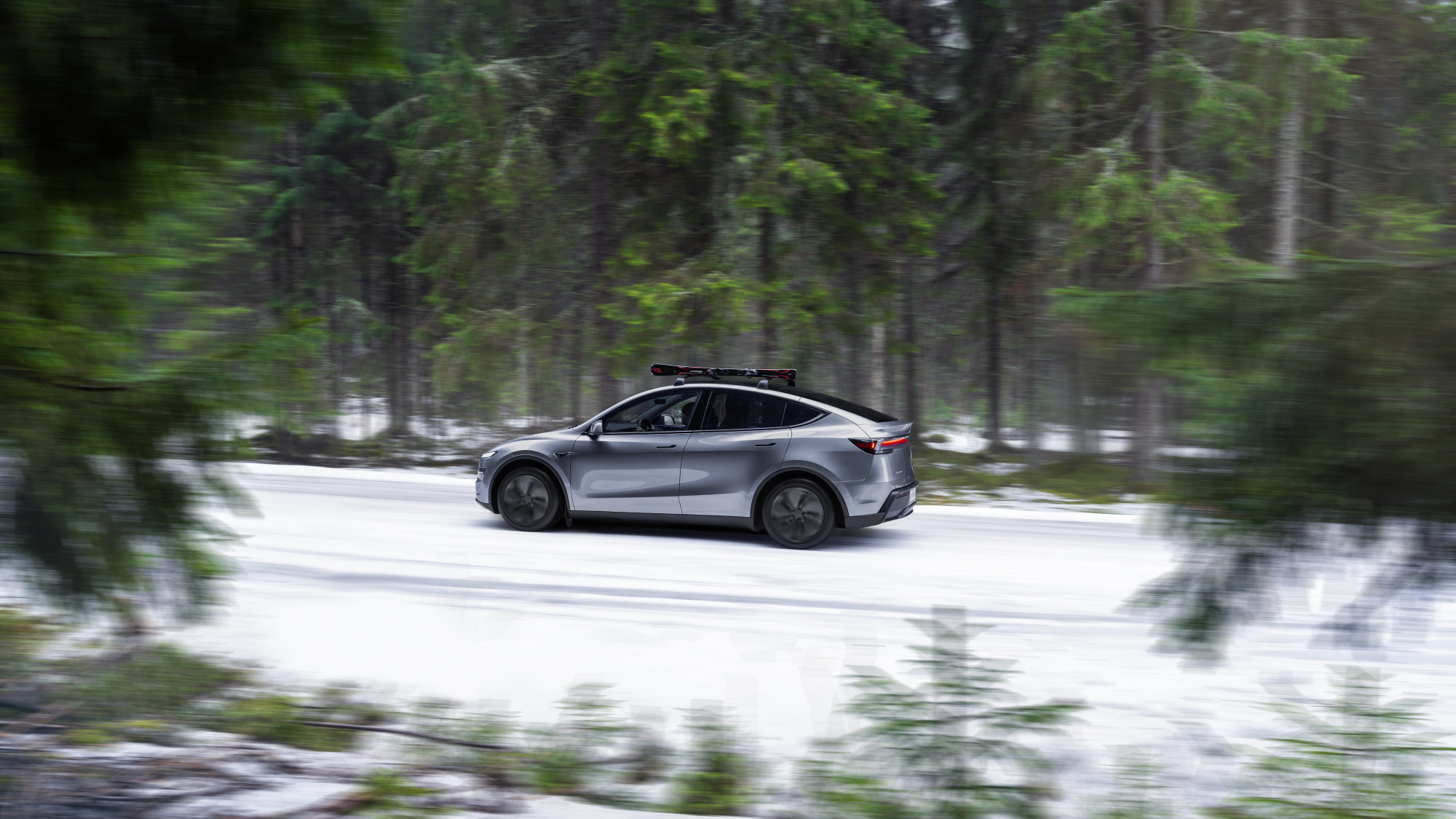
Regarding specific models, the Tesla Model Y, BYD Song, and BYD Seagull were the world’s best-selling new energy vehicles in Q2 2025.

In terms of the overall NEV market, the top three automakers by market share were BYD, Geely, and Tesla.
In Q2 2025, BYD Auto Group maintained its leading position in the global NEV market with a 22% market share. Its sales exceeded 850,000 units, a 15% increase year-over-year.
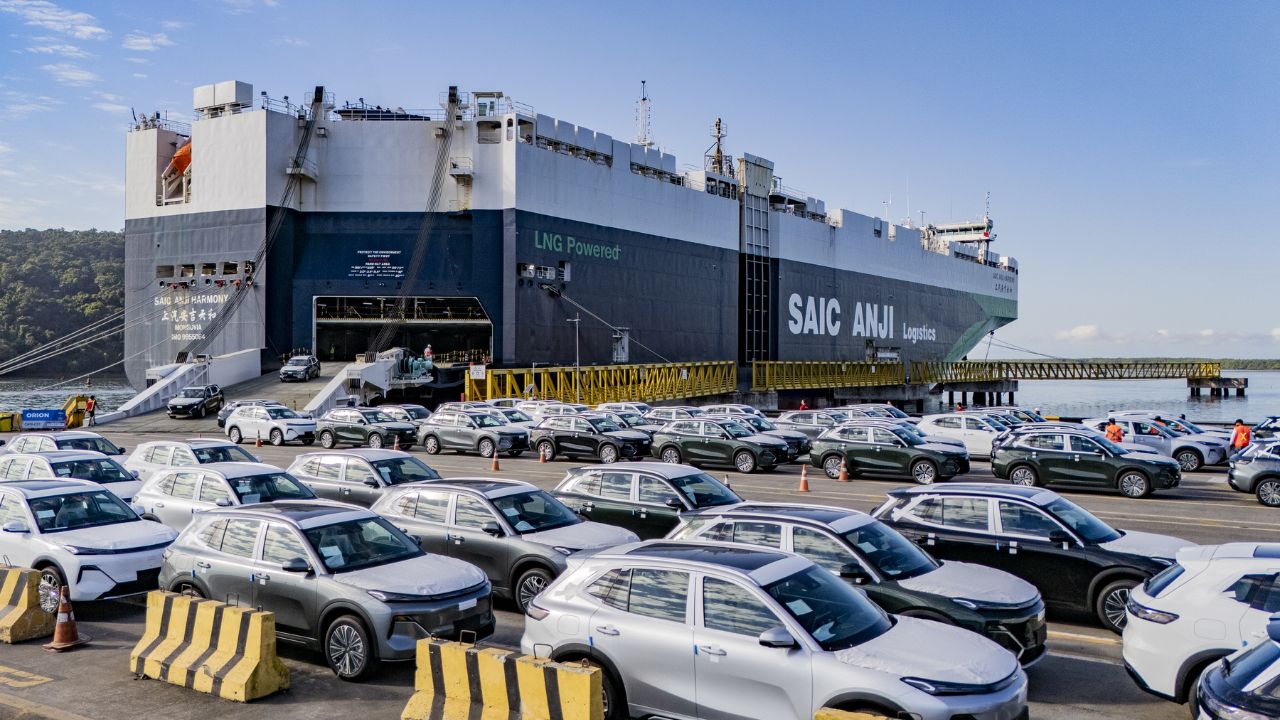
BYD’s overseas sales performance was strong in Europe, Southeast Asia, and Latin America, with exports exceeding 250,000 units, accounting for 22% of its total sales.
BYD’s strength lies in its diversified product portfolio covering both BEVs and PHEVs, particularly in the compact SUV and sedan segments. The BYD Song, Seagull, and Dolphin were its best-selling models in Q2 2025.

Geely Holding Group ranked second globally in Q2 2025 with a 10% share of the global EV market, representing a 63% year-over-year increase.
By combining pricing advantages with advanced software features, Geely has won favor among domestic consumers, allowing it to steadily increase its market share in an increasingly competitive market. The Geely Galaxy series contributed 46% of the group’s total EV sales. The Galaxy E8, Geely Panda Mini EV, and Galaxy E5 were its highest-selling EV models.

In Q2 2025, Tesla ranked third globally with an 8% market share, but its EV sales declined by 13% year-over-year.
The sales decline was attributed to intensified competition in the Chinese market, decreased market share in Europe, and the lack of major new model launches, making Tesla more vulnerable to competition from affordable models offered by Chinese rivals.
While localized production in the US and Europe, along with selective price adjustments, mitigated these impacts to some extent, weak demand for the Model 3 and delayed refresh cycles further dragged down overall sales. Nonetheless, the Model Y maintained strong product competitiveness.
Discover more from ChinaEVHome
Subscribe to get the latest posts sent to your email.