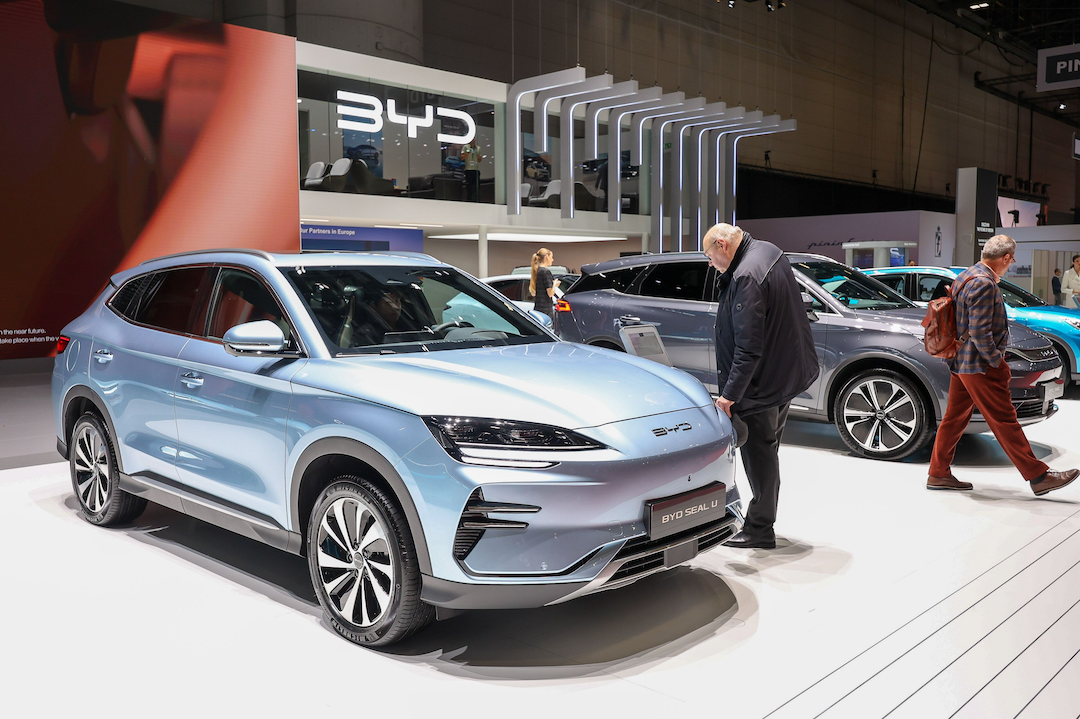
NEV makers showed robust growth in September. The market base continued to broaden as domestic automakers implemented a “multi-path strategy” for new energy vehicles.
On October 13, the China Passenger Car Association (CPCA) released its “National Passenger Vehicle Market Analysis Report for September 2025.”
The report shows that the promotional intensity for new energy vehicles in September 2025 remained at a moderately high level of 10.2%, an increase of 2.6 percentage points year-on-year (YoY) and a slight increase of 0.7 percentage points from the previous month.
Additionally, the wholesale market for battery electric vehicles (BEVs) saw a YoY growth of 32.4% in September, while plug-in hybrids grew by 8.4% and extended-range electric vehicles (EREVs) by 8.7%. The structural share of pure electric vs. range-extended vehicles among new automakers shifted from 50:50 last year to 70:30.
The domestic retail penetration rate of new energy vehicles rose to 57.8% in September. Supported by universal policies such as scrapping and replacement subsidies, coupled with the exemption of purchase taxes for new energy vehicles, the new energy vehicle market showed a steady growth trend.

Let’s take a look at the specific data for the new energy vehicle market in September 2025:
Production reached 1.501 million units, up 22.9% YoY and 17.5% month-on-month (MoM). Retail sales stood at 1.296 million units, increasing 15.5% YoY and 16.2% MoM.
Wholesale sales reached 1.500 million units, up 22.4% YoY and 15.9% MoM. Manufacturer exports reached 211,000 units, surging 96.5% YoY and increasing 3.9% MoM.
The report indicates that the wholesale penetration rate of new energy vehicles reached 53.5% in September, up 4.4 percentage points YoY. Among them, the penetration rate of new energy vehicles in domestic brands was 68.3%; in luxury vehicles, it was 40%; while among mainstream joint venture brands, it was only 6.6%.
Looking at specific energy types, wholesale sales of BEVs reached 947,000 units, up 32.4% YoY; wholesale sales of EREVs reached 129,000 units, up 8.7% YoY; and wholesale sales of plug-in hybrid electric vehicles (PHEVs, in a narrow definition) reached 424,000 units, up 8.4% YoY.
In terms of retail, the penetration rate of new energy passenger vehicles reached 57.8% in September, up 5% YoY. Among them, the penetration rate in domestic brands was 78.1%; in luxury vehicles, it was 34.5%; while among mainstream joint venture brands, it was only 7.4%.

Regarding exports, 211,000 new energy passenger vehicles were exported in September, accounting for 40.1% of total passenger vehicle exports. BEVs constituted 66% of new energy vehicle exports. In September, five automakers each exported over 10,000 new energy vehicles: BYD (69,258 units), Chery Auto (31,392 units), Tesla China (19,287 units), SAIC Motor (16,302 units), and Geely Auto (14,631 units).

Overall, new energy vehicle manufacturers showed strong performance in September. In terms of product launches, with domestic automakers implementing a “multi-pronged approach” in their new energy strategies, the market base continued to expand. The number of manufacturers whose monthly wholesale sales of new energy vehicles exceeded 10,000 units reached 20, accounting for 92.6% of total new energy passenger vehicle sales. The top three were BYD (393,060 units), Geely Auto (165,201 units), and Tesla China (90,812 units).
Since September, influenced by the expiration of the purchase tax exemption for new energy vehicles this year and the prospect of a 5% purchase tax next year, consumers have felt a sense of urgency to purchase vehicles, which has driven continued heating up of the automotive market.
Discover more from ChinaEVHome
Subscribe to get the latest posts sent to your email.