Since the tariff took effect, sales of BEVs in Canada have fallen 39.2% YoY, PHEVs declined 2.2%, and only HEVs bucked the trend, posting a 60.7% increase.
On October 11 local time, Manitoba Premier Wab Kinew sent a letter to Canadian Prime Minister Mark Carney urging the federal government to lift the 100% tariff imposed on electric vehicles (EVs) imported from China.
According to Kinew, the tariff has failed to stimulate the development of Canada’s domestic EV industry and has instead triggered bilateral trade frictions, with the damage felt most acutely in western Canada.
China’s retaliatory measures have caused a steep drop in Canadian canola prices, dragging down related sectors such as pork exports.

The canola industry alone employs an estimated 200,000 people and contributes approximately CAD 40–45 billion ($28.2 billion–$31.7 billion) in annual revenue to Canada’s economy.
The tariff was originally introduced last year as Canada aligned itself with U.S. policy, with a pledge to review the measure after 12 months. As the deadline approaches, market signals suggest the policy has not delivered its intended effects.
According to 2025 Q2 data from Statistics Canada, since the tariff took effect, sales of BEVs have fallen 39.2% year-on-year, while PHEVs declined 2.2%. Only conventional HEVs bucked the trend, posting a 60.7% increase.
Public sentiment also appears to be shifting. A recent poll by Nanos Research and CTV News found that 62% of Canadians support or somewhat support removing the additional tariff in exchange for China easing restrictions on canola and other agricultural exports.

The pushback does not signal a rejection of electrification as a national strategy. Jonn Axsen, a professor at Simon Fraser University, stressed that Canada will continue moving toward electrification in the long term. Current market turbulence, he said, is a normal part of the transition. Opening the market to “any manufacturer capable of delivering a good product” would instead foster innovation and lower prices.
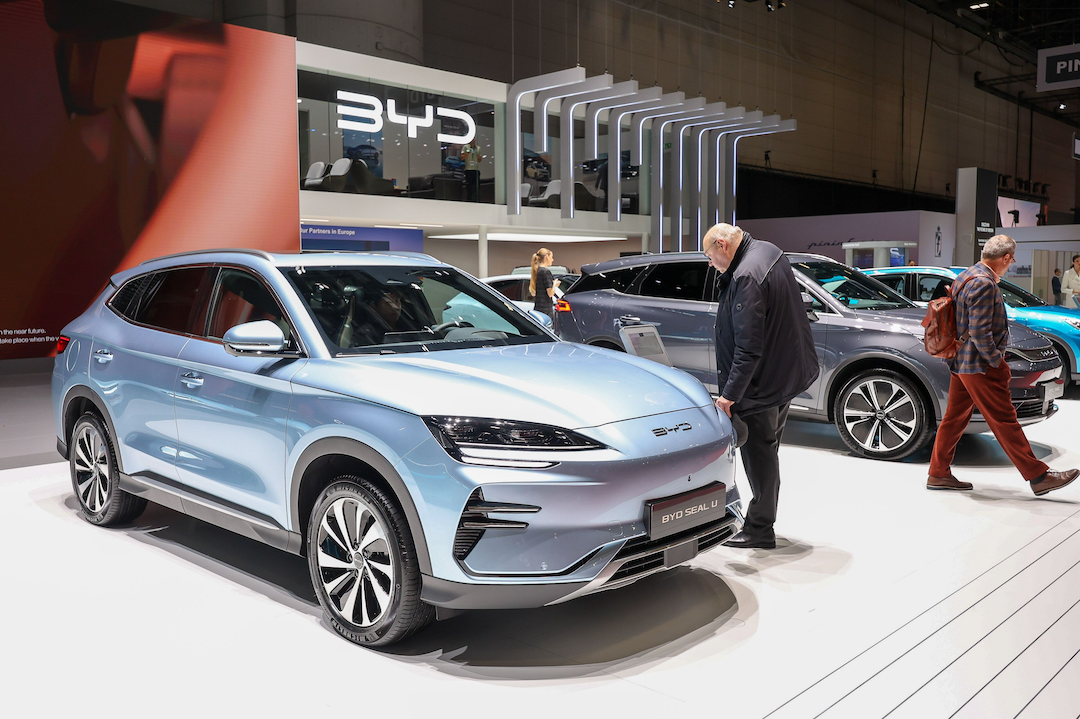
BYD’s Seagull, for instance, sells in China for around $13,800, while almost no EVs are available on the Canadian market for under CAD 45,000 ($31,800). Without the 100% tariff, such models would clearly be more competitive.
China is also stepping up its diplomatic messaging. On October 6, Chinese Ambassador to Canada Wang Di wrote in The Hill Times that there is ample room for EV cooperation between the two countries.

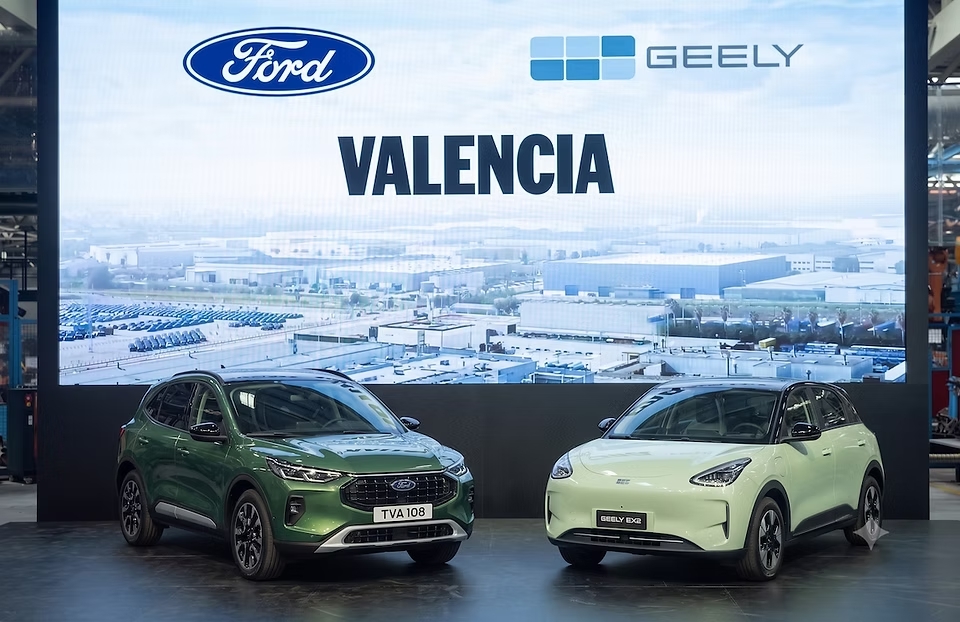
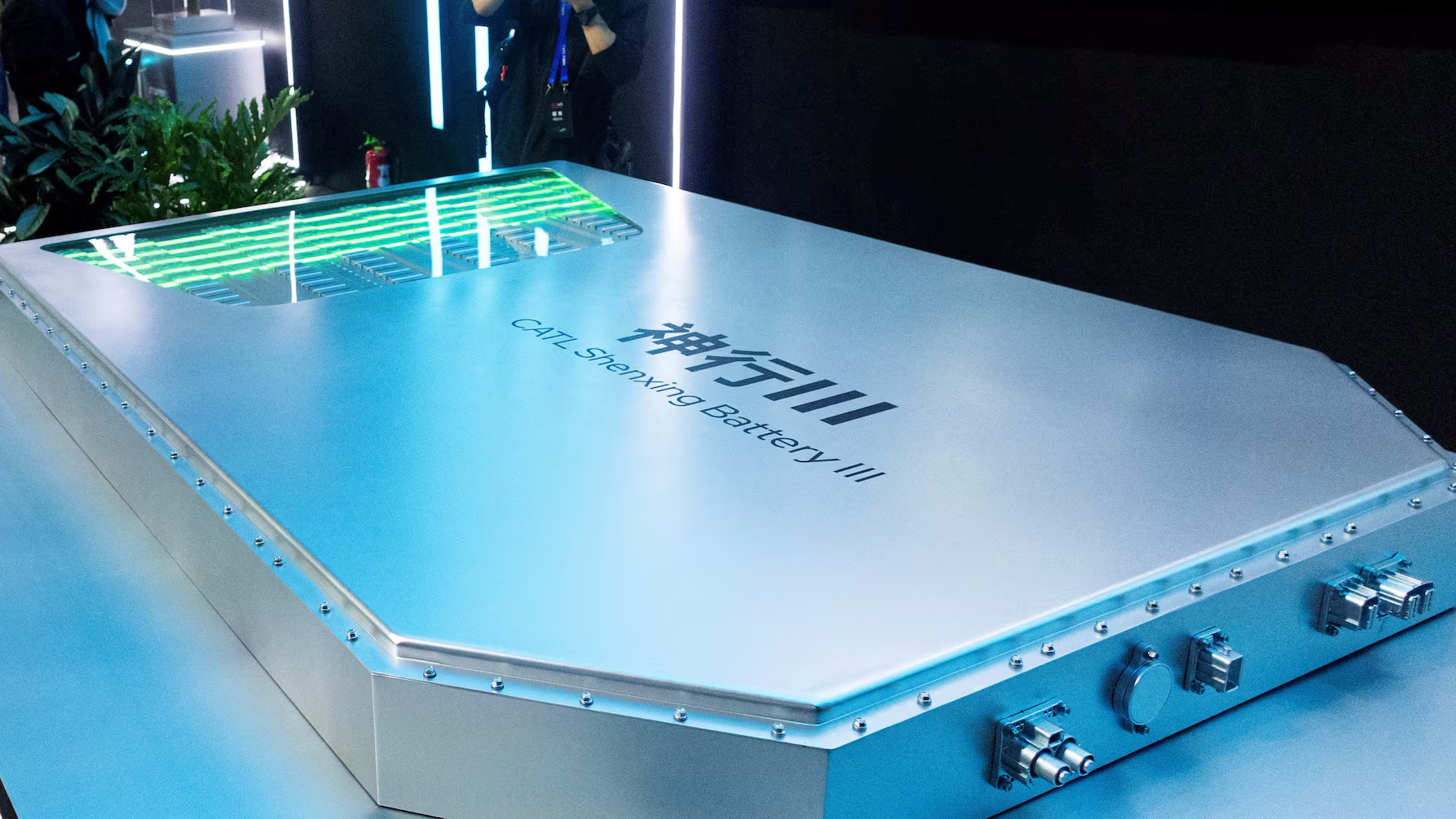
He noted that many global automakers already engage in cross-border partnerships, citing Volkswagen’s tie-up with XPeng, Stellantis with Leapmotor, and Ford with CATL.
He also pointed out that China has just announced that starting in 2026, exports of battery electric passenger vehicles will be subject to a licensing regime—a move he said should ease concerns in Canada about its market being overwhelmed by Chinese EVs.
Discover more from ChinaEVHome
Subscribe to get the latest posts sent to your email.