Of the 72 sufficient-volume brands covered in this study, only 8 have achieved healthy performance in the “Product-Sales-Service” triad, while 89% of automotive brands are trapped in the dilemma of “triad imbalance”.
On October 17, market research firm J.D. Power officially released the 2025 China Auto Brand Net Promoter Score (NPS) study.
The research comprehensively deconstructed and measured brands across three key dimensions: Product NPS, Sales NPS, and Service NPS. It covered a total of 72 qualified brands across both the gasoline and new energy vehicle markets, with a total sample size of 97,695 owners.
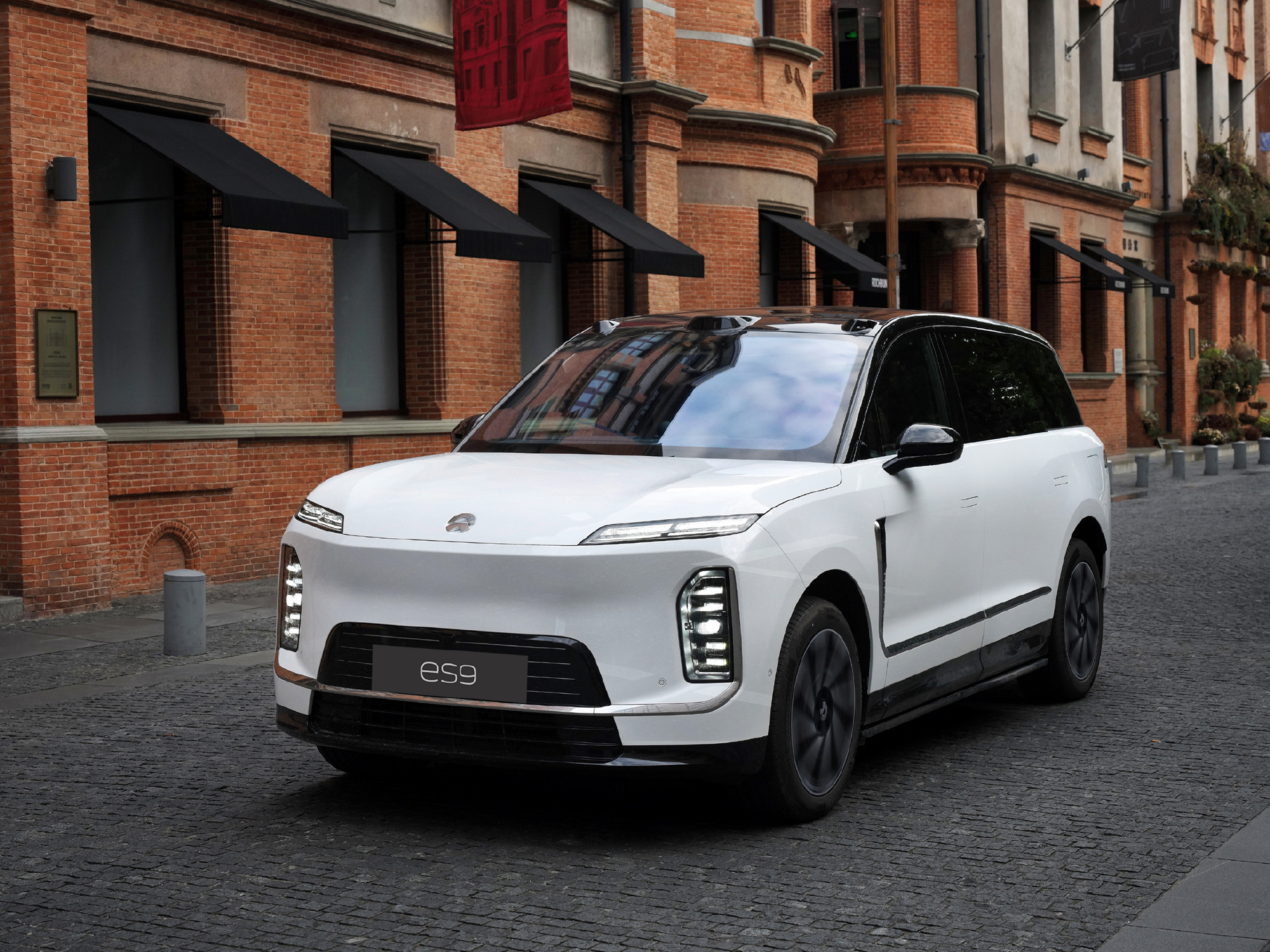
In the latest NPS rankings, NIO claimed the top spot in the “New Energy Premium Brand” segment with a score of 51.6, outperforming the segment average of 44.7. Li Auto ranked first in the “New Energy Mass Market Brand” segment with a score of 46.4, followed closely by Deepal (45.7) and XPeng (44.7).


The study revealed that the average NPS scores for 2025 were 51.8 for premium gasoline brands and 46.3 for mass market gasoline brands, while the averages for new energy vehicle brands were 44.7 for the premium segment and 40.2 for the mass market segment. On a scale of -100 to 100. Among the 72 qualified brands covered, only 8 achieved a healthy balance across product, sales, and service, while 89% of auto brands faced the challenge of “triple imbalance.”
A detailed look at the scores for various indicators in the new energy vehicle market reveals the following:
Within the Brand NPS framework, “Product-Driven” brands (18%) demonstrated excellent performance, while a significant 34% fell into the “Comprehensive Shortcomings” category. Furthermore, Sales NPS was identified as a foundational weakness for 42% of brands. The primary crisis stems from an “immature system”—although sales processes are relatively transparent, issues like long delivery cycles, insufficient sales professionalism, and low promise fulfillment rates lead to a rapid erosion of trust.
For Brand Service NPS, 32% of brands were in the “foundational weakness” state and 29% were categorized as “mediocre.” They not only face “capability gaps,” such as long repair wait times and an insufficient service network, but also suffer from “mediocre experiences” due to a lack of distinctive brand features and emotional engagement.
Regarding Brand Product NPS, 26% of brands were in a “polarized” state. This means that while some brands attract early adopters with pioneering innovations, their aggressive approach leads to controversial user experiences that deter more conservative consumers, resulting in an “internal offset” of their appeal.
Discover more from ChinaEVHome
Subscribe to get the latest posts sent to your email.