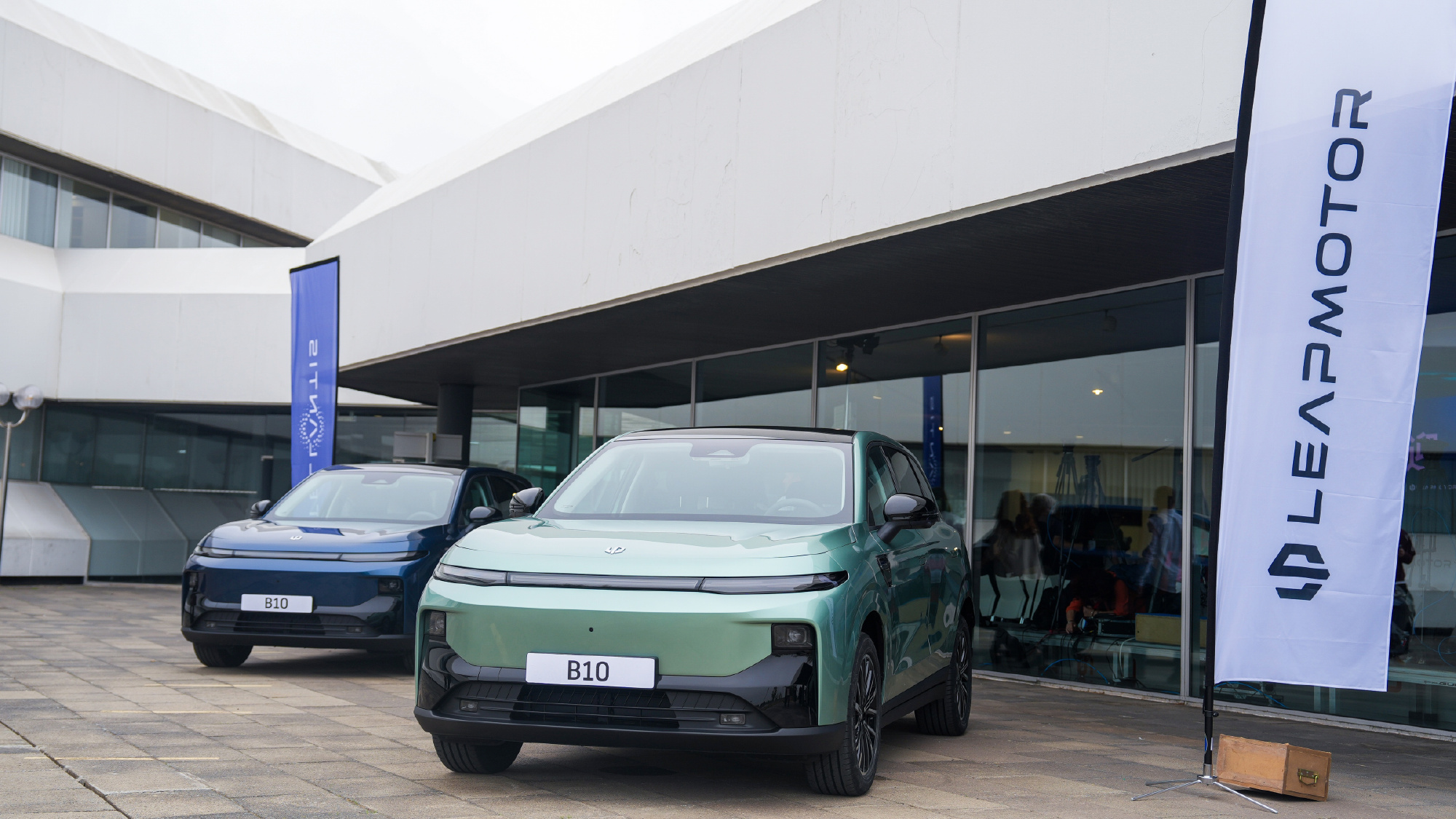
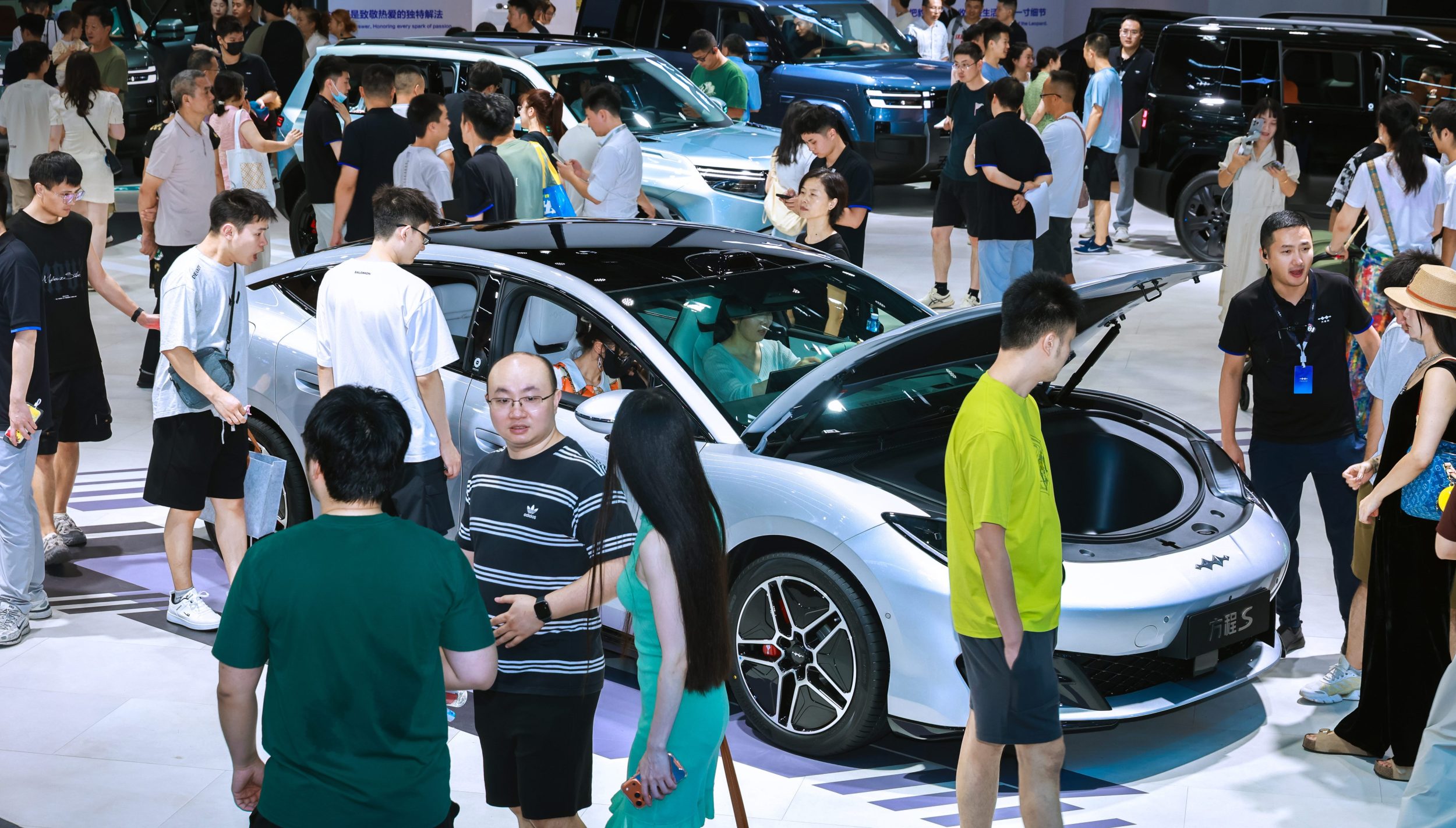
A notable shift in China’s auto export profile is the growing prominence of Latin American and European markets.
Data from the China Passenger Car Association shows that in September 2025, China exported 763,000 vehicles, a year-on-year increase of 26%. From January to September, China’s automobile exports reached 5.71 million units, up 21% compared to the same period last year.
Among these, China’s new energy vehicle (NEV) exports in September 2025 were 300,000 units, surging 66% year-on-year. From January to September, NEV exports totaled 2.32 million units, growing 52% year-on-year, establishing themselves as the core engine driving overall export growth.

The data also reveals the top 10 destination countries for total vehicle exports from January to September 2025: Mexico (410,739 units), the UAE (367,796 units), Russia (357,708 units), Belgium (233,748 units), the UK (224,590 units), Saudi Arabia (223,963 units), Australia (223,370 units), Brazil (218,146 units), the Philippines (196,676 units), and Kazakhstan (147,404 units).
This ranking shows significant changes compared to previous years. Russia, traditionally a core market, has fallen from the top spot to third place. Meanwhile, Mexico, leveraging its role as a gateway to the North American market, has surged to first place. The UAE also climbed to second position with a remarkable 59% year-on-year increase.
Among the TOP 10 destinations, several emerging markets demonstrated rapid growth. Belgium, the UK, and Brazil all ranked within the fourth, fifth, and eighth positions, respectively, with exports exceeding 200,000 units each.
Shifting the focus specifically to the new energy vehicle market, the top 10 destination countries from January to September 2025 were: Belgium (223,532 units), the Philippines (153,386 units), the UK (153,265 units), Brazil (141,317 units), Mexico (131,863 units), Australia (109,115 units), Thailand (97,319 units), the UAE (92,784 units), Indonesia (76,843 units), and India (74,998 units).
Belgium firmly held the leading position for NEV exports with 223,500 units. The Philippines, the UK, Brazil, and Mexico all recorded NEV exports exceeding 140,000 units.
Overall, Chinese automakers are accelerating their shift away from reliance on single markets, gradually forming a diversified global footprint with significant presence across Latin America, the Middle East, Europe, and Southeast Asia.

At the automaker level, different brands have distinct focuses in their export strategies, showcasing a trend of diversified development.
According to data provided by YiChe, the Chery Group retained its position as the top automaker in terms of export volume, with approximately 930,000 units exported. Its Tiggo 7 and Tiggo 5X models led the September vehicle export chart, averaging around 19,000 units per month, claiming first and second place respectively.
In terms of export destinations, Chery Group’s TOP 10 export markets are: Russia, Brazil, the UAE, Australia, the UK, Israel, Kazakhstan, Italy, Mexico, and South Africa.
It is worth noting that Chery’s exports to the Russian market from January to September reached 149,800 units, a significant decline of 42.5% year-on-year. Conversely, the UK and Israeli markets were the fastest-growing, with cumulative exports of 40,700 and 38,600 units respectively, both achieving growth rates exceeding 300% year-on-year.

BYD’s exports grew 125% year-on-year, ranking second in automaker exports for January-September, with export volume reaching 670,000 units.
Among its models, the BYD Song PLUS, with 180,000 units exported, became the most popular model in overseas markets. Simultaneously, the BYD Seagull 07 EV, with a staggering year-on-year growth of 4234.4%, became a major contributor to BYD’s overseas sales growth.
Specifically looking at various markets, BYD’s TOP 10 export destinations from January to September were: Belgium, Mexico, Brazil, Indonesia, Turkey, Thailand, the UAE, the Philippines, the UK, and Australia.
Among these, exports to Belgium, Mexico, and Brazil all exceeded 50,000 units. Notably, alongside BYD’s channel expansion in the Philippines, the local market saw a 733% year-on-year surge, securing the eighth position and becoming the fastest-growing market, with cumulative sales reaching 29,800 units.

Ranking third is SAIC Motor, with cumulative January-September exports of 350,000 units, down 7.2% year-on-year. The MG brand was the main contributor to its sales, with the MG ZS and MG3 ranking second and tenth respectively on the model export list, with sales of 142,385 and 74,010 units.
SAIC’s TOP 10 export destinations for January-September were: Belgium, the UK, the UAE, Mexico, Spain, Italy, Saudi Arabia, Germany, Australia, and Egypt.

Overall, while Chinese auto exports were previously characterized by a high proportion going to Central and South America and strong performance in Southeast Asia and other parts of Asia, the focus has now gradually shifted towards a landscape where Central and South America and Europe demonstrate relatively stronger performance.
Discover more from ChinaEVHome
Subscribe to get the latest posts sent to your email.