October saw China’s NEV market thrive, led by NIO, Xpeng, and Leapmotor, amid rising competition.
October marked the final surge of China’s “Golden September, Silver October” sales season, further fueled by automakers rolling out “price guarantee” incentives ahead of the 2026 vehicle purchase tax phase-out.
NIO, Xpeng, and Xiaomi all posted monthly deliveries above 40,000 units, while Leapmotor continued its rapid ascent, delivering over 70,000 vehicles in October — edging closer to the 80,000-unit threshold.
As the last month of the high-sales window concluded, competition among China’s NEV newcomers intensified.
(Data compiled as of 9:00 p.m. on November 1)
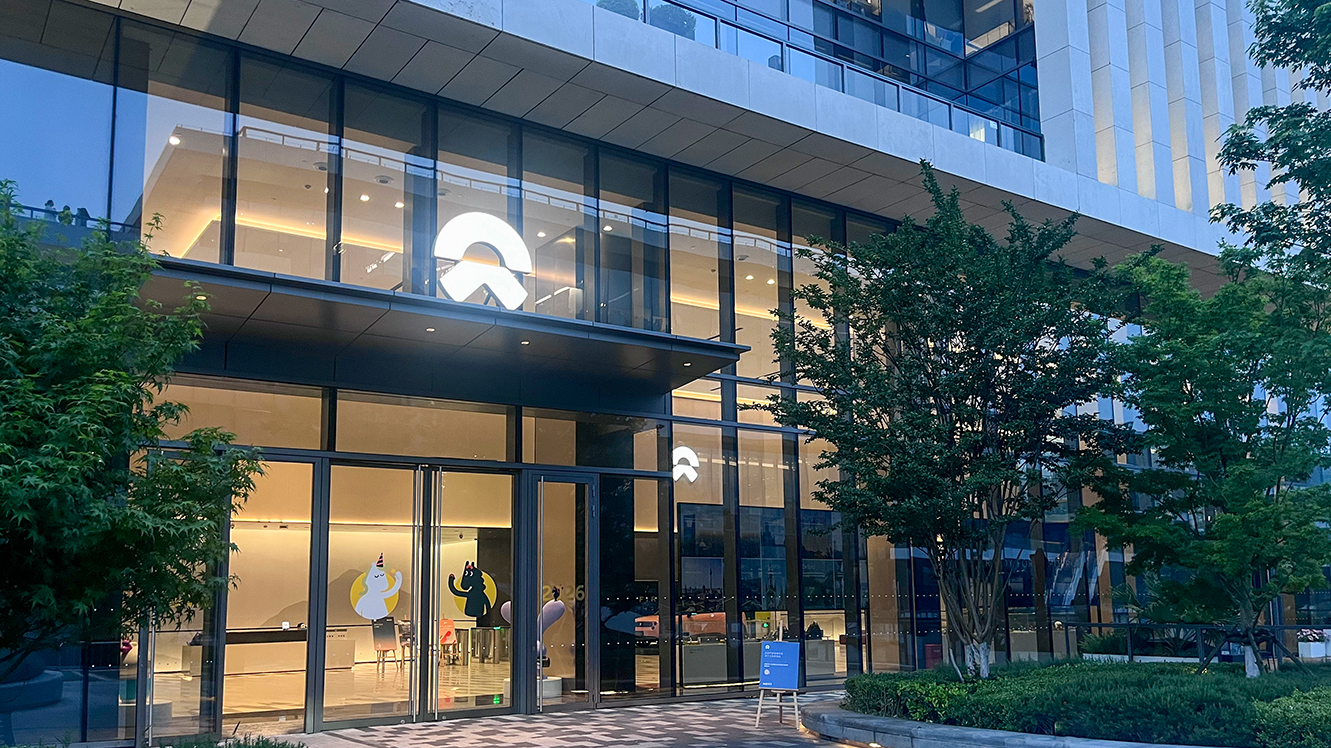
NIO Inc.
NIO delivered 40,397 vehicles in October, up 92.6% year on year.

The NIO brand accounted for 17,143 units, led by the all-new ES8, which surpassed 10,000 deliveries and set a record as the fastest pure electric model priced above RMB 400,000 ($55,000) to reach that mark.
ONVO, NIO’s sub-brand, saw deliveries of 17,342 vehicles — a 301.5% surge — with the L90 topping China’s full-size electric SUV charts for three consecutive months.
Firefly, its compact EV line, delivered 5,912 units, up 3% month on month.
Both the NIO ES8 and ONVO L90 remain the company’s key volume drivers as it pushes toward a 50,000-unit monthly delivery target.
NIO said ES8 output will increase 70% in November, with December expected to see further ramp-up.
NIO founder and CEO William Li reiterated the company’s fourth-quarter focus on achieving profitability through higher production and sustained delivery growth.
The 300,000th NIO ES6 has rolled off the line, making it the top-selling sub-RMB 300,000 ($41,000) pure EV among Chinese brands.
Xpeng Motors
Following its September breakthrough, Xpeng set a new record with 42,013 deliveries in October.

CEO He Xiaopeng aims to more than double 2025 deliveries to exceed 380,000 vehicles.
From January to October, Xpeng’s cumulative deliveries reached 355,209 units, putting it on track to easily surpass its annual goal if the 40,000-unit monthly pace holds.
The P7+ has surpassed 80,000 cumulative deliveries and has led the 150,000–200,000 yuan ($20,500–$27,400) mid-size EV sedan segment for 11 straight months. The new P7 has exceeded 10,000 deliveries.
Next, Xpeng plans to expand its “Super Electric” lineup, introducing an extended-range X9 with a 63.3 kWh battery and over 1,600 km combined range.
Extended-range versions of the P7+, G7, and G6 have also entered regulatory listings, signaling a strong hybrid push.
Li Auto
Li Auto delivered 31,767 vehicles in October, bringing total historical deliveries to 1,462,788 units.

The figure represents a 7% month-on-month decline as the company introduced no new models during the month.
The Li MEGA incident — a self-ignition case that drew wide public scrutiny — may have dampened sentiment toward Li’s pure EV lineup. The company has since issued an official report and recall measures.
Despite this, the pure electric Li i6 continues to accumulate strong orders, exceeding 70,000, with the company working to resolve supply bottlenecks.
Spy shots suggest a next-generation Li L9 under testing, expected to feature larger dimensions and rear-wheel steering, potentially reinforcing Li Auto’s edge in the SUV market.
Leapmotor
Leapmotor shattered its record with 70,289 deliveries in October, up 84% year on year and leading China’s emerging EV makers for the eighth consecutive month.

In just six months, Leapmotor has vaulted from 40,000 to over 70,000 monthly units, moving rapidly toward its 80,000-unit milestone.
To achieve annual sales of one million, a brand would need to sustain around 83,000 deliveries per month — a goal now within Leapmotor’s reach.
In September, Leapmotor unveiled the sporty Lafa5 and flagship D19 three-row SUV, with both in presale.
Its A-series sedan, the A10, will debut at the Guangzhou Auto Show in November, completing the “A–D” lineup architecture.
It may not be long before Leapmotor’s monthly deliveries surpass the 80,000-unit mark.
Xiaomi Auto
Xiaomi Auto delivered over 40,000 units in October for the second consecutive month.

Despite public controversies, production capacity remains the main bottleneck.
The SU7 and YU7 Standard versions have delivery cycles exceeding 35 weeks, though the Max version has improved.
Xiaomi also announced a “tax guarantee” — buyers locking orders before November 30, 2025, will receive up to RMB 15,000 ($2,080) compensation if tax policies change before delivery.
Rumors suggest Xiaomi is developing a performance YU7 variant and a large extended-range SUV dubbed “Kunlun.”
The combination of incentives and new models could keep Xiaomi’s momentum strong.
Huawei-Backed HIMA
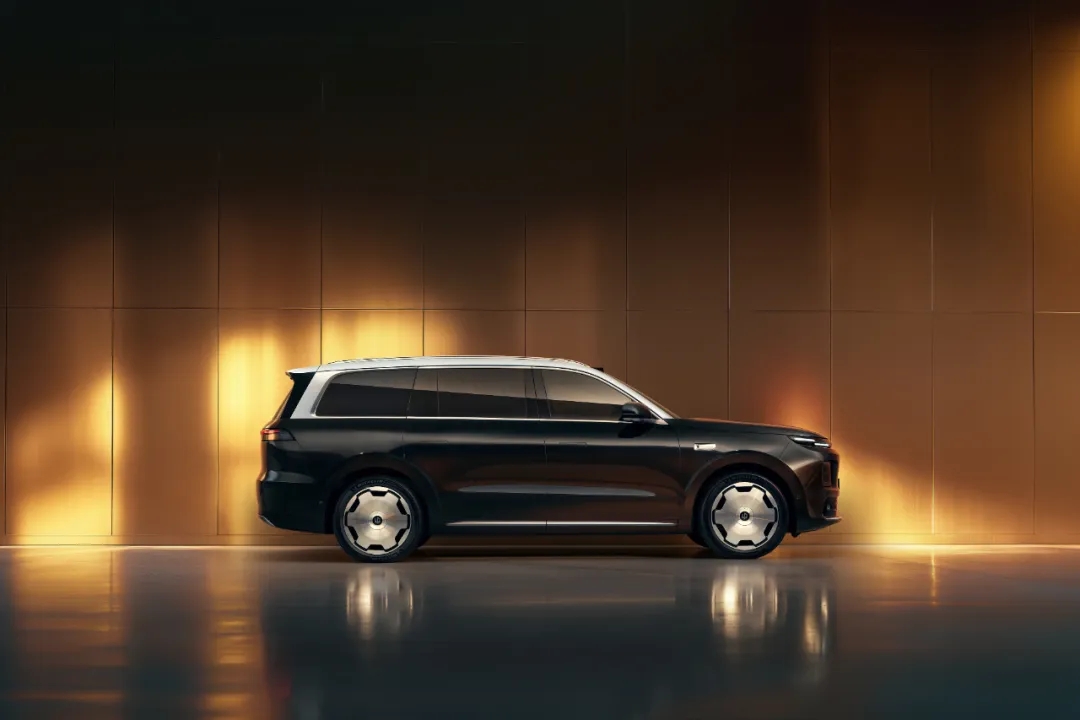
Huawei-Backed Harmony Intelligent Mobility Alliance (HIMA) reported record October deliveries of 68,216 vehicles, surpassing one million cumulative units — the fastest milestone among new-energy upstarts.

Average transaction price stood at RMB 390,000 ($54,000), with the AITO M8 and M9 remaining volume leaders.
The new AITO M7 sold over 20,000 units within 36 days of launch.
HIMA expects M7 production to climb to 20,000–30,000 units per month by November, underscoring its expanding scale.
Zeekr Technology
Zeekr and Lynk & Co combined for 61,636 units in October, up 20.5% month on month, with Zeekr alone delivering 21,423 units — its first time above 20,000.

The refreshed Zeekr 001 logged 10,000 orders within seven minutes of launch.
Lynk & Co sold 40,213 units, with the Lynk 900 surpassing 40,000 cumulative deliveries within six months.
Zeekr targets 320,000 sales in 2025 and has reached roughly 240,000 so far.
With new models like the Zeekr 001, 7X, and flagship 9X ramping up, the brand could soon meet its annual goal.
IM Motors
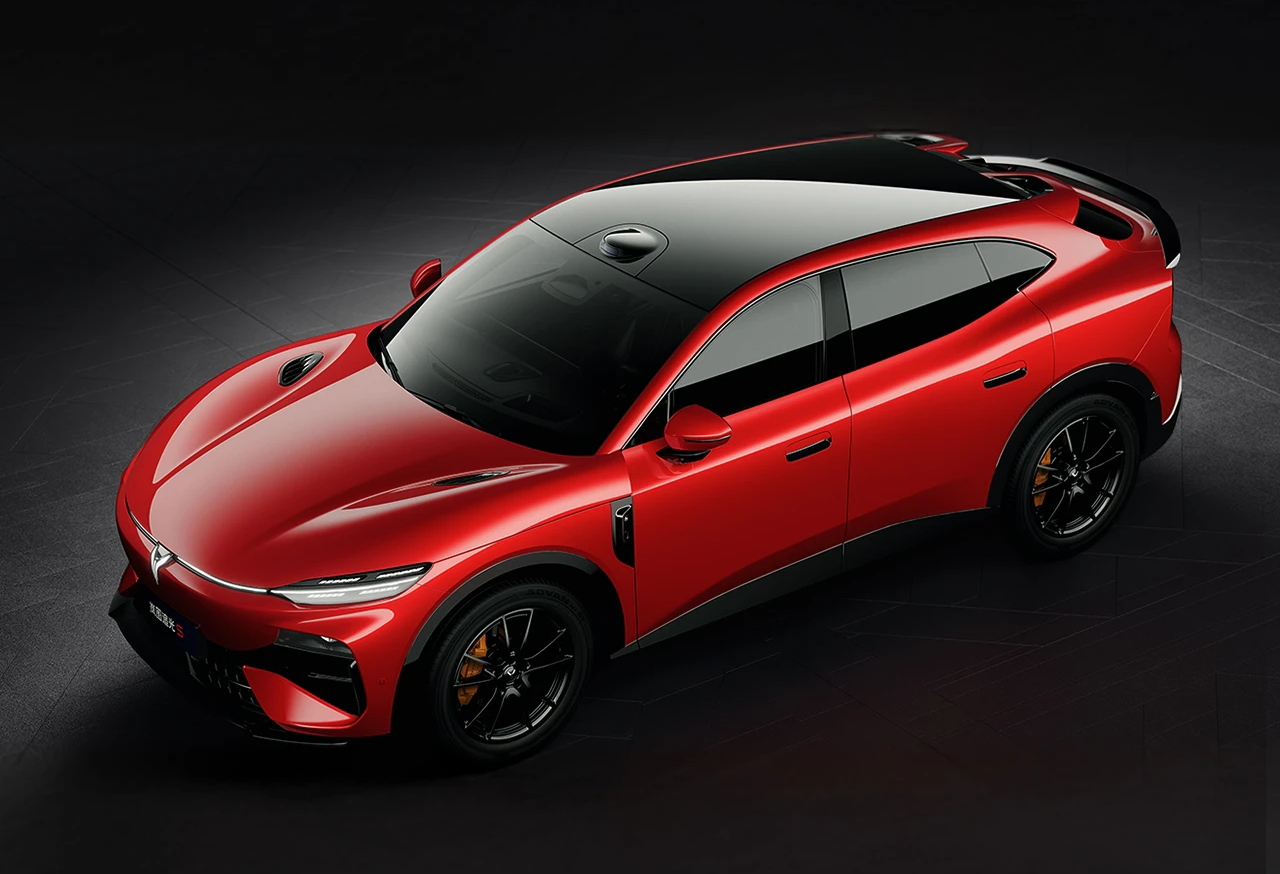
IM Motors achieved a record 13,159 sales in October, hitting a new record compared to September.

This data is led by the LS6 SUV, featuring a 66 kWh pack and 450 km range with rear-wheel steering — a unique configuration in the RMB 200,000 ($27,400) segment.
The brand plans to unveil its new flagship SUV LS9 in November, dubbed the “Lujiazui Range Rover,” expected to further lift volumes.
Deepal
Deepal sold 36,792 vehicles in October, up 9% month on month and 57.1% year to date.

Its global expansion continued steadily, with the Deepal S05 surpassing 20,000 monthly deliveries.
At home, the brand is banking on the new L06, priced from RMB 139,900 ($19,200), featuring a magnetic suspension and a 3 nm automotive-grade cockpit chip — both rare in this price bracket.
Voyah
Voyah, a Dongfeng Motor sub-brand, sold 17,218 vehicles in October, up 12% month on month and 82% year on year.

Two new models — the Taishan and Chasing Light L — will join its lineup in Q4.
The Taishan SUV, launching in November, features a 65 kWh battery with 370 km CLTC range and Huawei’s HarmonyOS cockpit plus ADS 4 QianKun autonomous system.
BAIC NEV
BAIC’s NEV division sold 30,542 vehicles in October, up 112% year on year and 48.7% month on month.

The Arcfox brand contributed 23,387 units, up 110% year on year.
Stelato sold 6,700 units in September, driven by the S9T launched this month. Sources indicate that the 10,000th S9T has already rolled off the line at BAIC’s plant.
The next-generation Stelato S9 will debut in November with upgraded lidar-based ADS 4 QianKun system and redesigned interiors.
GWM
Great Wall Motor (GWM) sold 143,078 vehicles in October, up 22.5% year on year, including 46,155 NEVs (up 44.1%).

GWM’s NEV volume now rivals the leading emerging EV players.
“Boxy” models such as the Haval Menglong PHEV and Tank 300 Hi4-T accounted for 65,942 units. Overseas sales reached 57,158 units, up 28.7%.
Geely Galaxy
Geely’s Galaxy series achieved record sales of 127,476 in October and crossed the one-million cumulative mark for 2025 — the fastest-growing new-energy brand in China.

Geely Group overall exceeded 300,000 monthly sales for the first time, intensifying pressure on BYD.
The Galaxy M9 remains a core model, with the 20,000th unit recently off the line.
The newly launched Galaxy Xingyao 6 starts at RMB 68,800 ($9,500), positioned against BYD’s Qin PLUS.
BYD
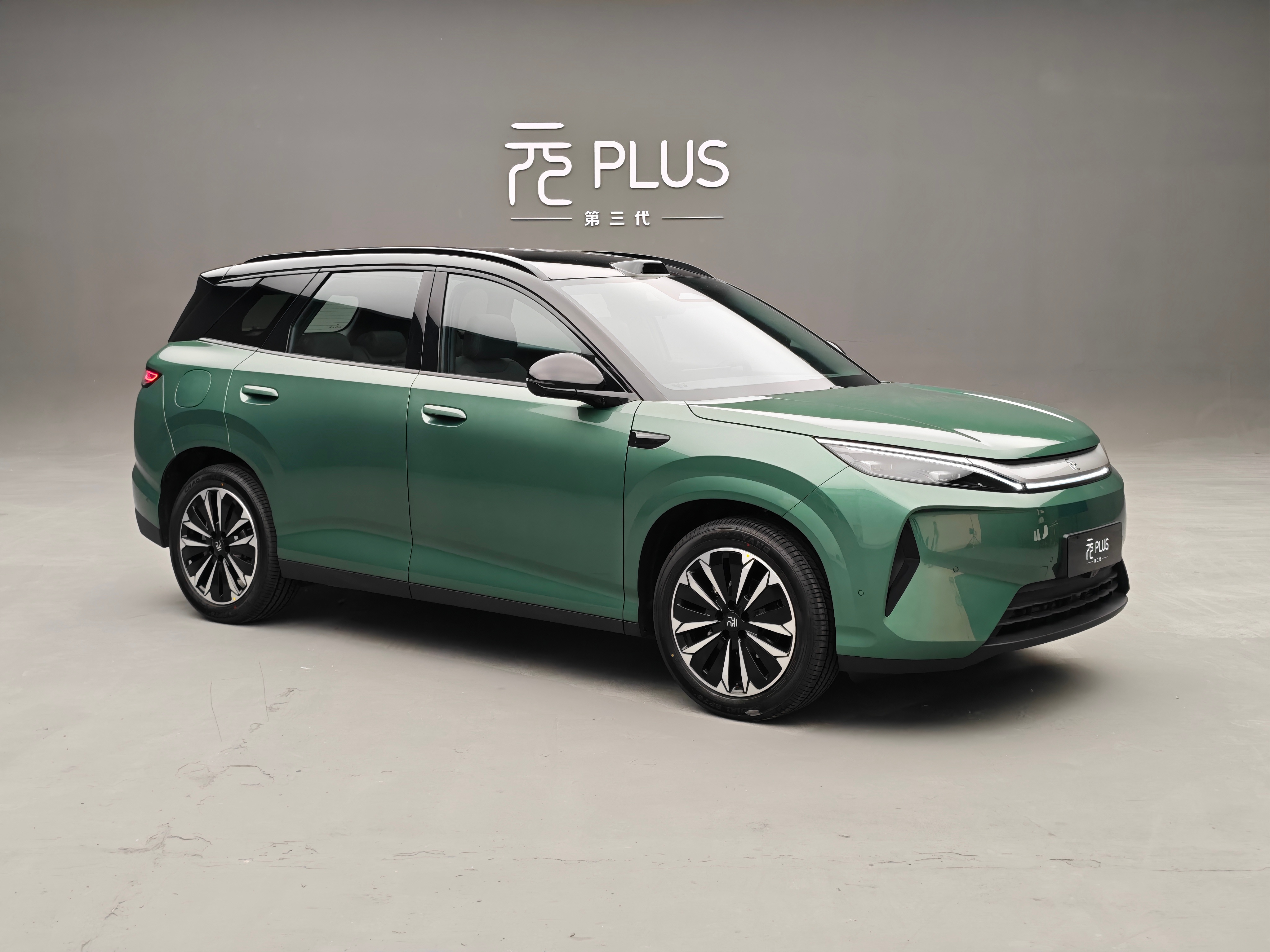
BYD sold 441,706 vehicles in October, with passenger cars contributing 436,856 units — up 11% month on month.

The Dynasty and Ocean series remain dominant, delivering 395,015 units, up 10% month on month.
Fangchengbao added 31,052, up 24%, while Denza fell 19% to 10,135.
Denza launched the N8L, a six-seat SUV starting at RMB 299,800 ($41,700), powered by a tri-motor 2.0T hybrid platform — potentially broadening its customer base under RMB 300,000 ($41,000).
Discover more from ChinaEVHome
Subscribe to get the latest posts sent to your email.