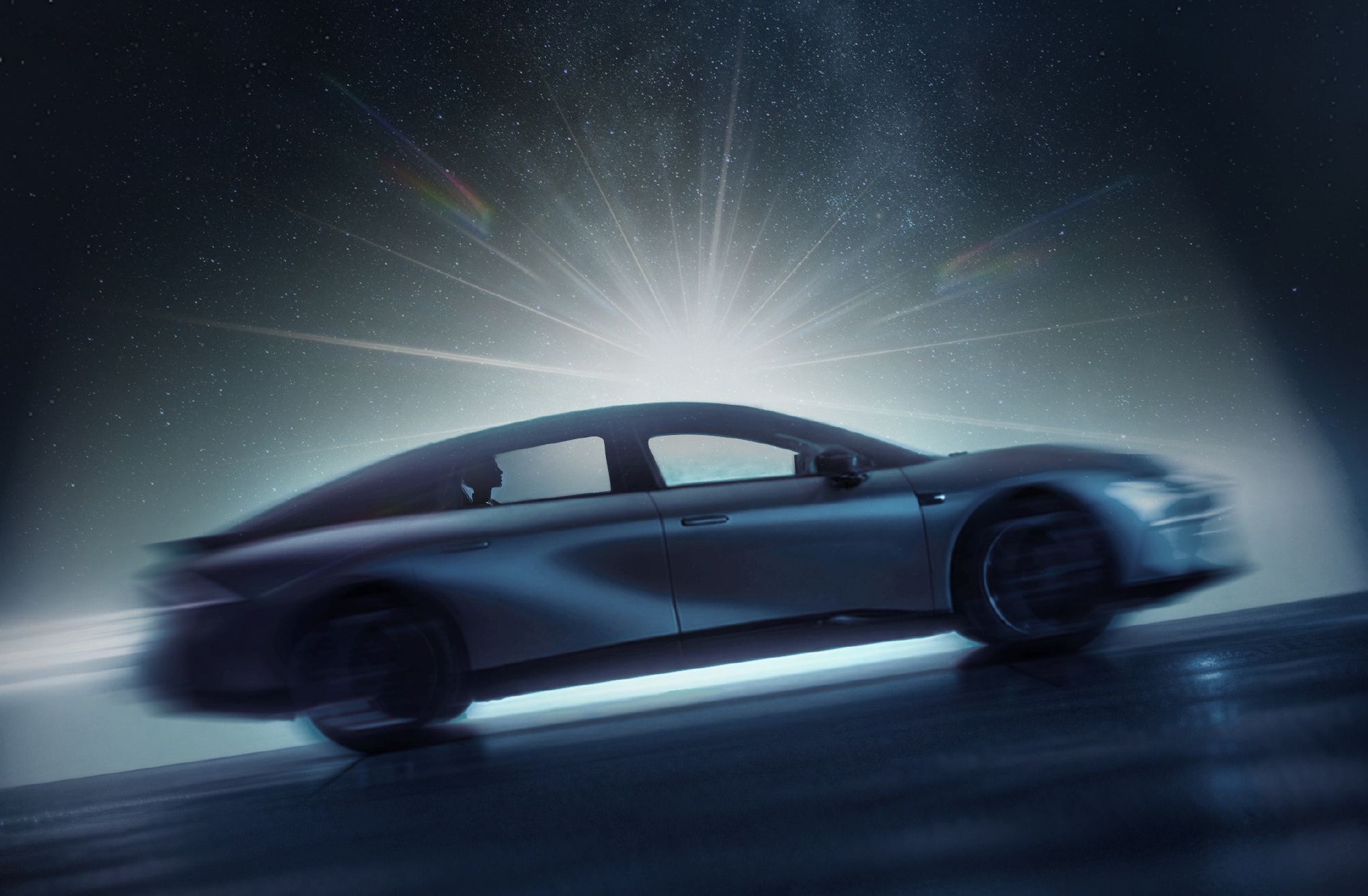
The Robotaxi project will deploy two different SUV models for trial and commercial operations, with a premium model being used in the initial testing stage.
On November 4, according to Chinese media reports, XPeng officially restarted its Robotaxi project last week (i.e., at the end of October) and initiated internal transfers to formally prepare for the mass production of its L4-level vehicles next year.

“XPeng attaches great importance to this project and has invested heavily to recruit a high-profile expert from a renowned L4 company to lead it,” stated a source familiar with XPeng’s Robotaxi project.
Another informed source at XPeng revealed that the company’s previous approach was to build an entirely new Robotaxi vehicle. The current strategy, however, is to conduct trial operations based on vehicles already under development, followed by formal commercial operations. It is reported that the project will utilize two different SUV models for trial operations and commercialization respectively, with a premium model being used in the initial testing phase.

A source close to XPeng’s Robotaxi project disclosed that the company’s investment is more focused on software algorithms and related talent, given the high degree of hardware reuse. “We are still hiring, with priority given to internal transfers. The AI infrastructure department already has nearly 20 people,” the source added.
Currently, among Chinese automakers, XPeng is the only one that has initiated an in-house Robotaxi project.
CEOs of other Chinese EV makers, such as NIO’s William Li and Li Auto’s Li Xiang, have publicly stated on various occasions that they do not plan to develop Robotaxi. William Li believes it is not a sustainable business model, while Li Xiang has clearly expressed no intention to enter the field, arguing that enabling more people to own vehicles with autonomous driving capabilities represents a more mainstream future trend for the industry than Robotaxi.

Compared to NIO and Li Auto, XPeng’s technology ambitions are broader. XPeng’s goal is to build an AI empire, similar to Tesla, by using its self-developed world foundation model to support a universal model for all future XPeng physical AI terminals, fully applied across AI cars, AI robots, flying cars, and more.
It is worth noting that on November 5, XPeng will host the 2025 XPeng AI Tech Day, where it will comprehensively showcase the latest R&D achievements in artificial intelligence, intelligent driving, and other fields, with the progress on the mass-produced Robotaxi expected to be a major highlight.
Discover more from ChinaEVHome
Subscribe to get the latest posts sent to your email.