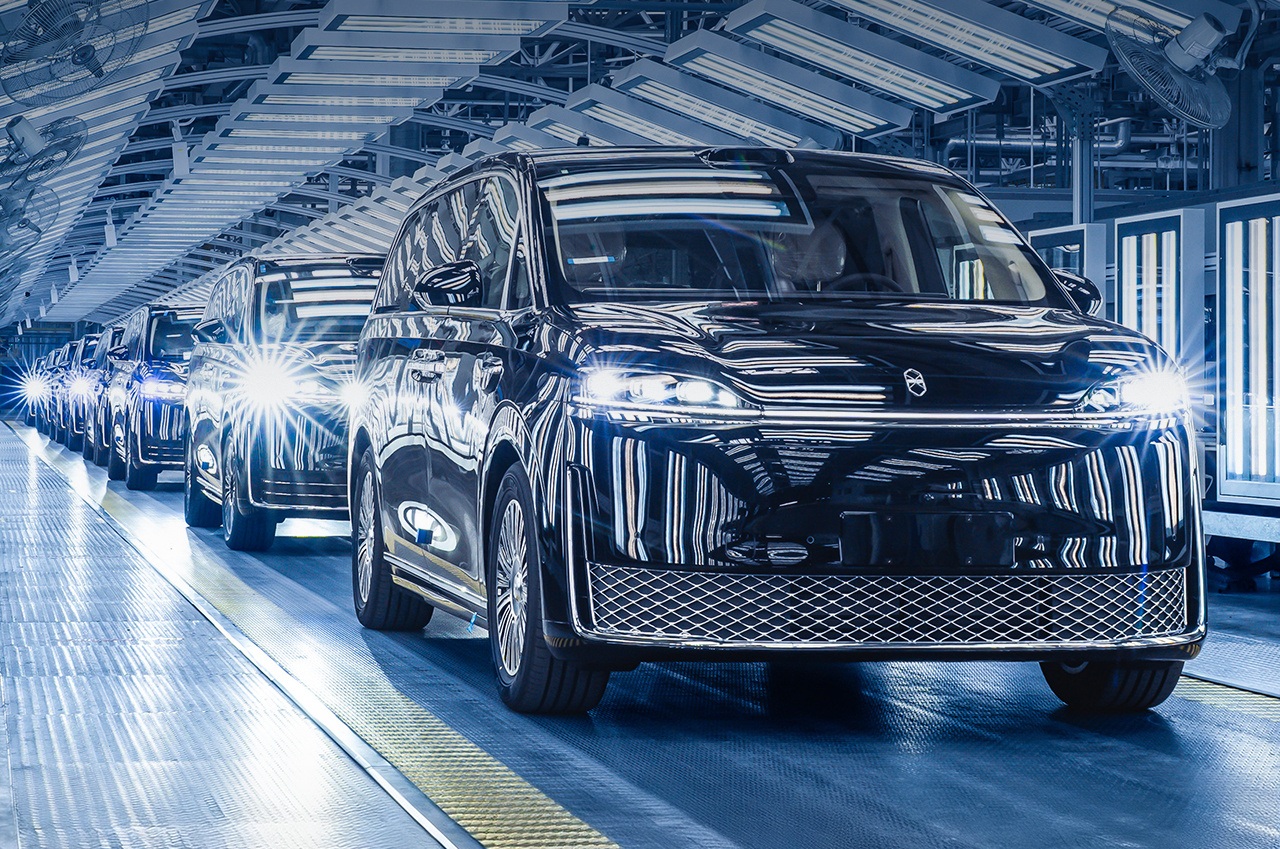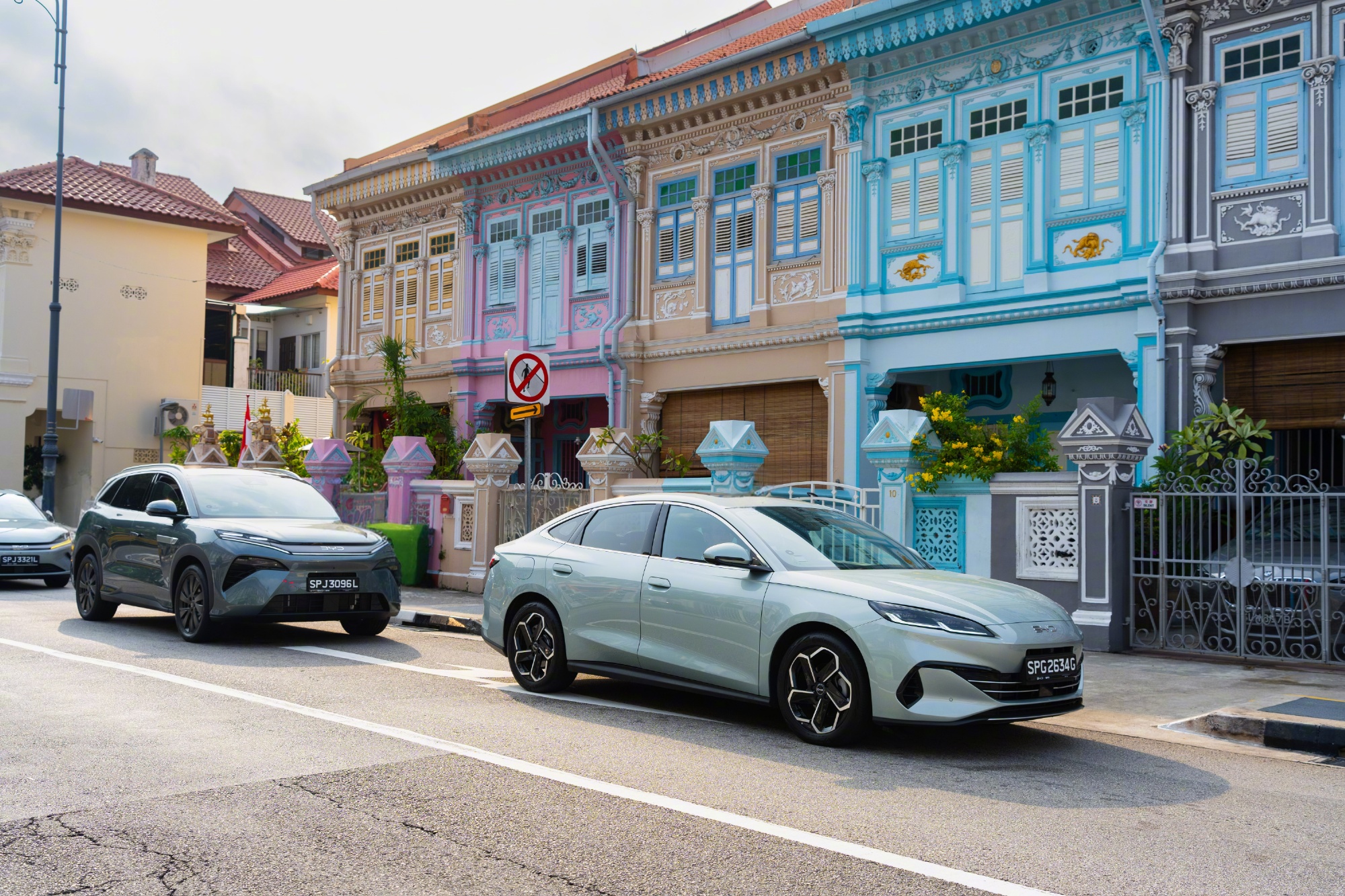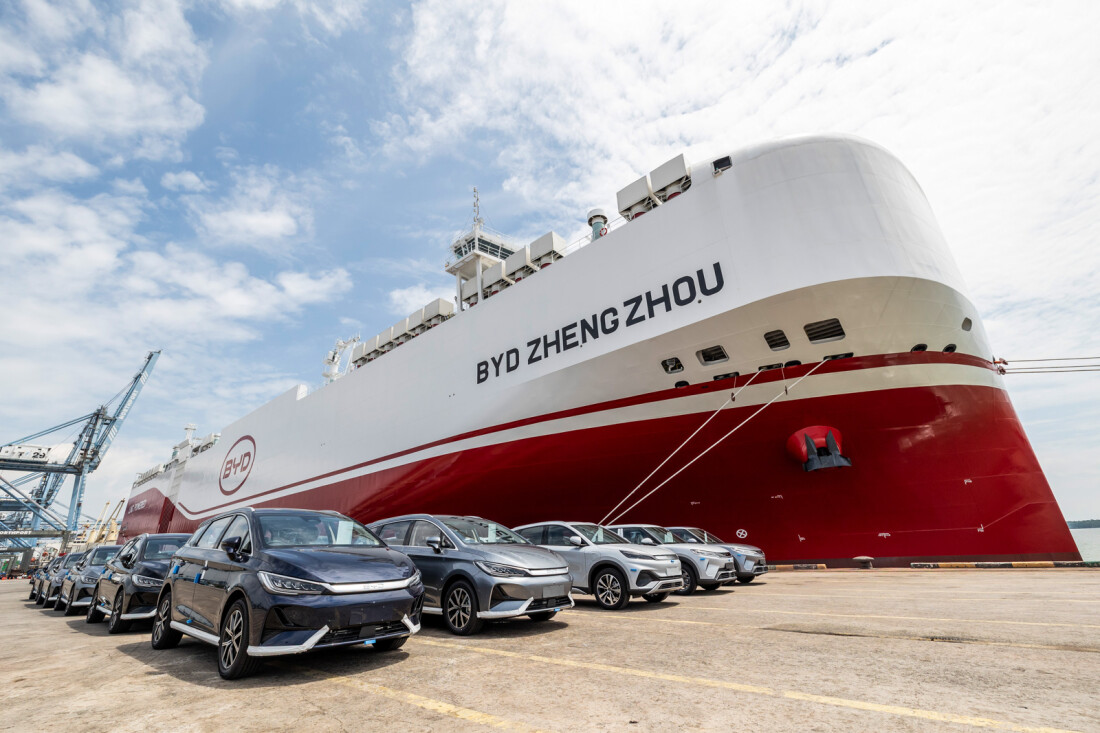
In November, BEVs accounted for 26% of total exports, PHEVs 17%, and HEVs 6%, while ICEs fell to 40%.
China exported 810,000 vehicles in November, up 48% year on year and down 2% from October, according to data released on December 23 by the secretary-general of the China Passenger Car Association.
Cumulative exports for the first eleven months reached 7.33 million units, representing a 25% year-on-year increase and sustaining a high overall level.

On a monthly basis, China’s vehicle exports continued to show clear seasonality.
Shipments were strong in January, before weakening between February and April amid disruptions from tariff hikes imposed by the Trump administration. Exports began to recover in May and have accelerated steadily since September.
New energy vehicles remained the primary driver of export growth. China exported 350,000 NEVs in November, marking a year-on-year surge of 156%.
From January to November, cumulative NEV exports totaled 3.01 million units, up 62% year on year, with their share of total vehicle exports continuing to rise.

Looking at the broader trend, NEV exports came under pressure in the second half of 2024 due to additional tariffs imposed by the European Union, even posting a temporary year-on-year decline in November last year.
Exports rebounded strongly in January this year, saw a brief adjustment in February and March, and then remained near record highs from April through November, laying the foundation for full-year growth.
By powertrain mix, exports are rapidly shifting toward electrification. In November, battery electric vehicles accounted for 26% of total exports, plug-in hybrids 17%, and hybrid vehicles 6%, while internal combustion engine vehicles fell to 40%.

Compared with a year earlier, plug-in hybrid models recorded the fastest growth, while the share of ICE vehicles declined by 19 percentage points.
On a cumulative basis from January to November, BEVs accounted for 28% of exports, PHEVs 13%, and ICE vehicles 43%.
In terms of destination markets, growth in NEV exports varied by region. Europe and Asia remained the two largest markets, with demand in parts of Asia rising notably for entry-level NEV products.
The Americas continued to emerge rapidly as a growth engine, led by strong performance in Mexico.

In November, the top five destinations for China’s NEV exports were Mexico with 48,172 units, the United Arab Emirates with 25,895 units, the United Kingdom with 19,191 units, Indonesia with 18,337 units, and Brazil with 15,709 units.
Southeast Asian markets such as the Philippines and Indonesia, along with Brazil in South America, are becoming new pillars of growth.
Overall, amid diverging global demand and a volatile trade environment, China’s vehicle exports are increasingly entering a new phase led by new energy vehicles.
The parallel adjustment of product mix and market structure is also creating room for continued expansion into 2026.
Discover more from ChinaEVHome
Subscribe to get the latest posts sent to your email.