China’s autonomous vehicles have transitioned from testing and demonstration to formal mass production, ushering in the era of L3 autonomous driving.
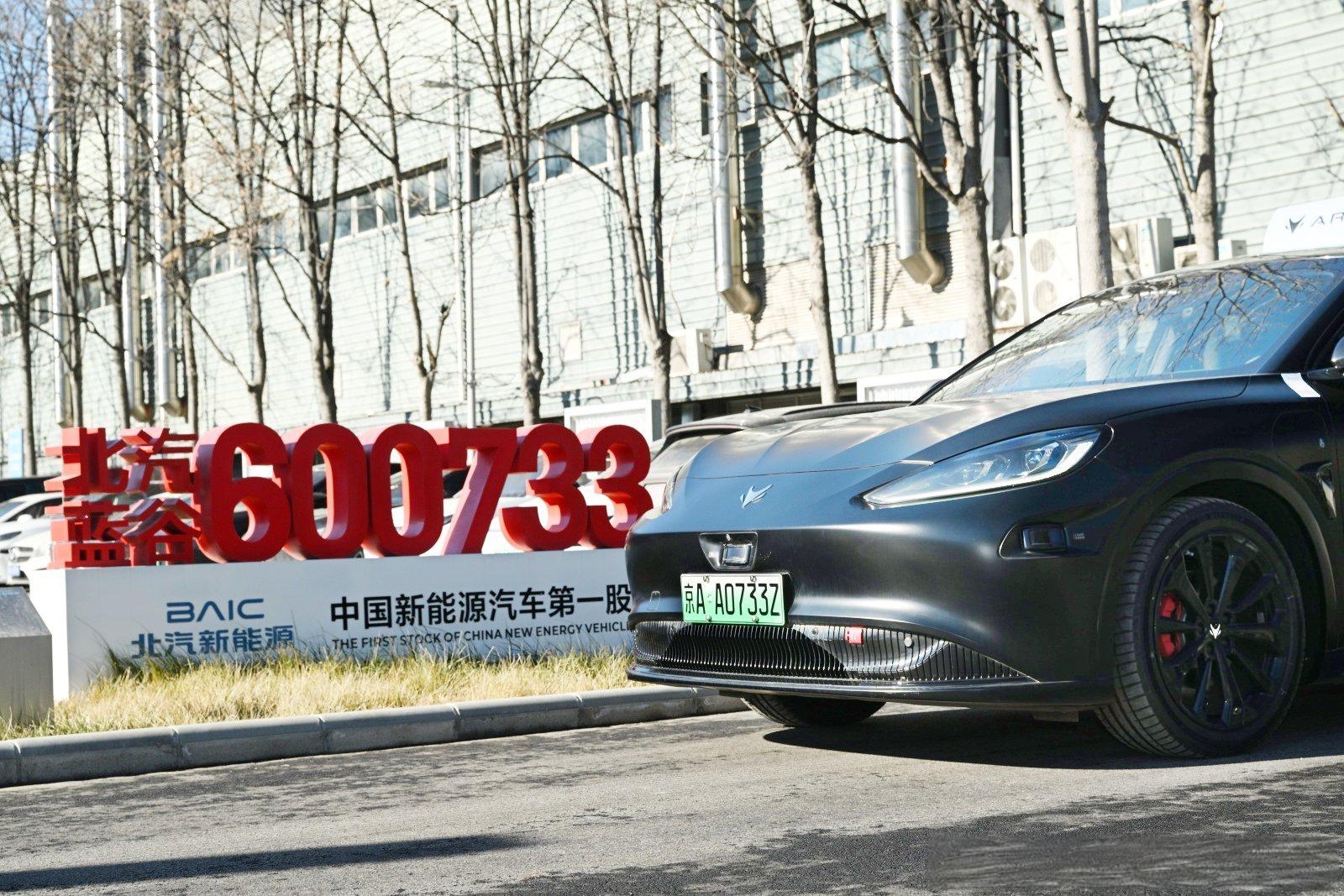
Today, the Beijing Municipal Public Security Bureau Traffic Management Bureau officially issued China’s first batch of special license plates for L3-level highway autonomous vehicles to three BAIC Arcfox intelligent connected vehicles. The license plate numbers are Jing AA0001Z, Jing AA0733Z, and Jing AA0880Z. Operated by Beijing Chuxing Automobile Service Co., Ltd., these vehicles are the first to commence the commercial application of L3 “conditionally automated driving.”

This marks the first issuance of special license plates for L3-level highway autonomous vehicles in China, signifying that the country’s autonomous vehicles have progressed from testing and demonstration phases to formal mass production, pioneering the era of L3 autonomous driving.
Relevant officials from the traffic management department explained that this vehicle model has undergone a series of preliminary tests and is currently in the conditionally automated driving stage. The system can perform dynamic driving tasks under specified conditions, enabling autonomous driving functions at speeds up to 80 km/h within a single lane on highways and urban expressways.
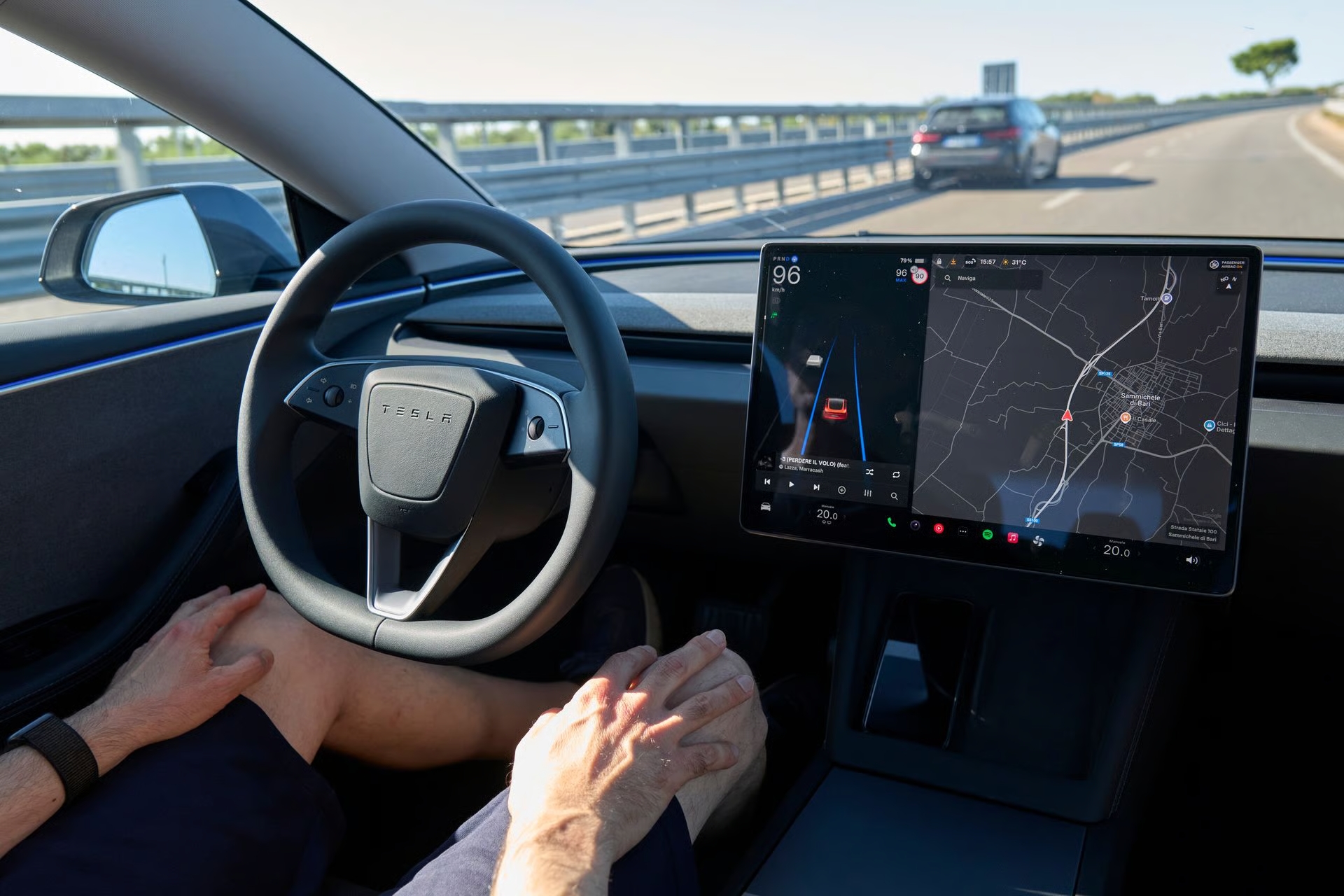
The official emphasized that although the three vehicles can achieve autonomous driving on designated roads, a driver is still required to be seated in the driver’s seat, ready to take over control of the vehicle in emergency situations.

The L3 autonomous driving cars approved for road use have strictly defined functional limits. The vehicles can achieve autonomous driving at speeds up to 80 km/h within a single lane on specified highways and urban expressways.
Currently, the “conditionally automated driving” function is only enabled on specific sections of Beijing’s highways: the Jingtai Expressway (from Jiugong Xinqiao in Daxing District to the Airport North Line Expressway), the Airport North Line Expressway (from Daqu South Bridge to the Daxing Airport Expressway), and the Daxing Airport Expressway (from the South Sixth Ring Road to the Airport North Line Expressway). On other roads or areas, this function will be forcibly disabled by the system.
Officials stated that as the next step, the Beijing traffic police will continuously strengthen the management of intelligent connected vehicle usage. They will collaborate with the Municipal Economy and Information Technology Bureau, the Municipal Transportation Commission, and the Municipal Smart City and Intelligent Vehicle Office to thoroughly implement Beijing’s development plan for the intelligent connected vehicle industry, aiming to create a replicable “Beijing model” for the large-scale application of autonomous driving.
Discover more from ChinaEVHome
Subscribe to get the latest posts sent to your email.