- The EU imposed a provisional 200-day quota restricting China’s hybrid passenger car shipments to 191,780 units from Dec 1, 2026 to Jun 18, 2027, curbing rapid export growth and protecting local industry.
- China exported roughly 302,400 hybrid vehicles to the EU in 2025 and 674,917 hybrid and plug‑in hybrids in the first 10 months of 2026, with first‑half 2026 export value to the EU at $7.5 billion.
- Direct rivals include Chinese HEV/PHEV makers and European incumbents, but execution risks center on accelerated EU local production needs, quota carryover rules, and potential WTO disputes or retaliatory trade measures.
On November 24, the European Commission announced provisional safeguard measures for new hybrid passenger cars.
The measures set import quotas for major exporting countries and regions, including China, Japan, Turkey, the United Kingdom, South Korea, Mexico, Morocco, Serbia and the United States.
The measures will take effect on December 1, 2026, and remain in place provisionally for 200 days, through June 18, 2027.

The European Commission said imports of the vehicles had continued to increase, with some imported models priced below those produced by EU manufacturers, putting pressure on the bloc’s automotive industry.
According to the Commission’s investigation, the EU imported approximately 302,400 hybrid vehicles from China in 2025, up sharply from 106,500 in 2024. Chinese exports to the bloc increased further during the investigation period.
China received the largest quota of any single source country under the measures, although the allocation still places a limit on the volume of vehicles that can enter the EU market.
Under the European Commission’s official document, China-made hybrid vehicles will be subject to a quota of 191,780 units during the 200-day period from December 1, 2026, to June 18, 2027.
The quota will be allocated across three periods: 86,301 units from December 2026 to February 2027, 88,219 units from March to May 2027, and 17,260 units from June 1 to 18.

Annualized over 12 months, the allocation is equivalent to approximately 350,000 vehicles.
The quotas are based on each source country’s exports to the EU in 2025, with an additional allowance of slightly more than 15%.
The system will be administered quarterly, with unused quota volumes carried over to the following quarter. Imports exceeding the allocated quota will not be allowed to enter the EU market.
China’s Ministry of Commerce subsequently said the EU had decided to impose provisional measures less than a month after launching its investigation on October 30.
The ministry called on the EU to comply with World Trade Organization rules, uphold the principle of non-discrimination and implement the relevant understandings previously reached between China and the EU.
China also reserved the right to take trade compensation measures and use the WTO dispute settlement mechanism to safeguard its interests.
The restrictions come as Chinese hybrid vehicle exports to Europe are growing rapidly.

In the first 10 months of 2026, China exported 674,917 hybrid and plug-in hybrid vehicles to Europe, up 178% from 242,538 in the same period last year.
Data from Dataforce showed that sales of Chinese brands across the EU doubled year over year during the same period. Sales of plug-in hybrid vehicles rose 216%, while conventional hybrid sales increased 134%.
In the first half of 2026, the value of China’s hybrid vehicle exports to the 27 EU member states reached $7.5 billion, three times the figure recorded in the same period last year.
Notably, the safeguard measures cover hybrid electric vehicles (HEVs), plug-in hybrid electric vehicles (PHEVs) and mild hybrid electric vehicles (MHEVs), but exclude extended-range electric vehicles (EREVs).
Chinese automakers have already begun expanding their overseas EREV offerings.
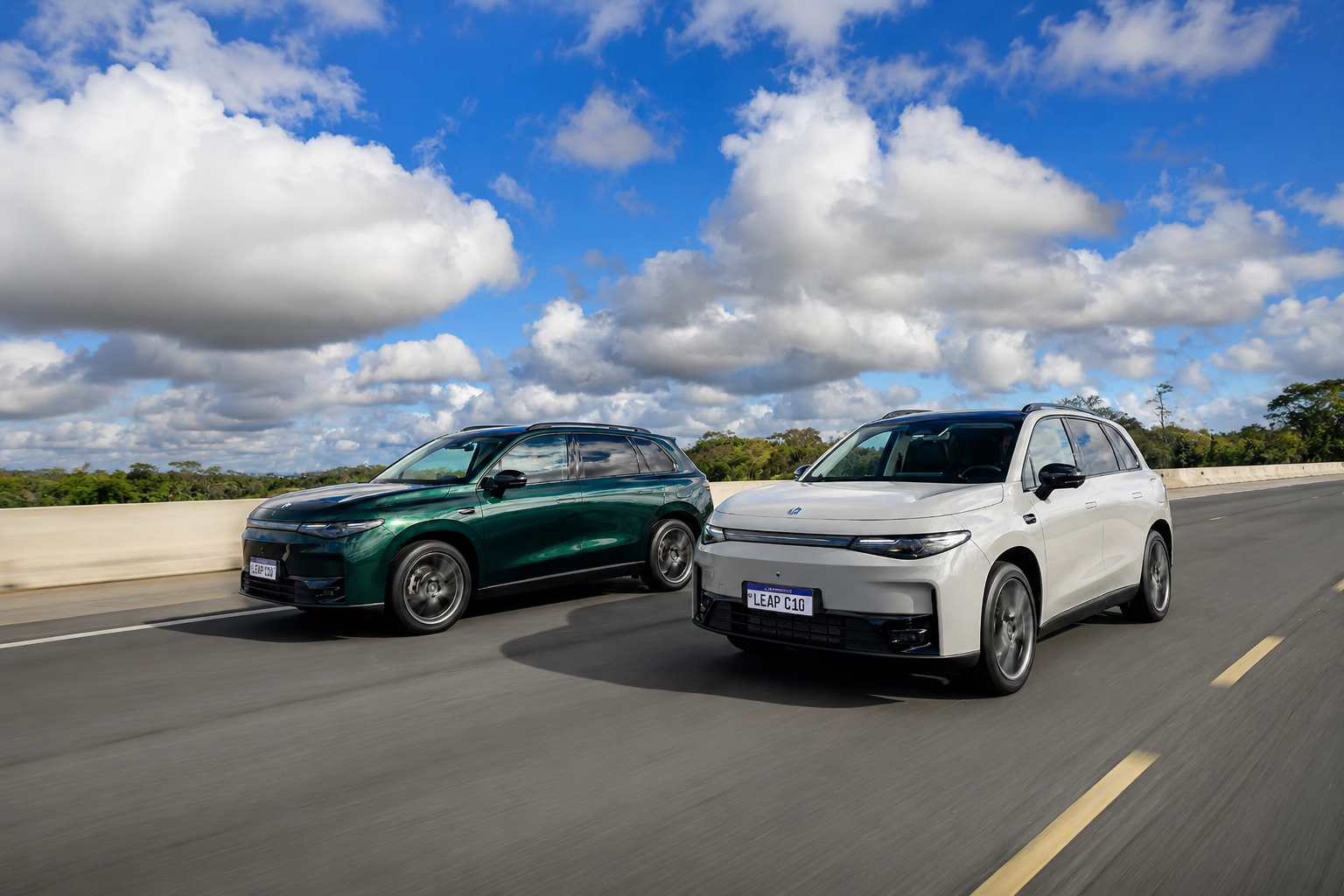
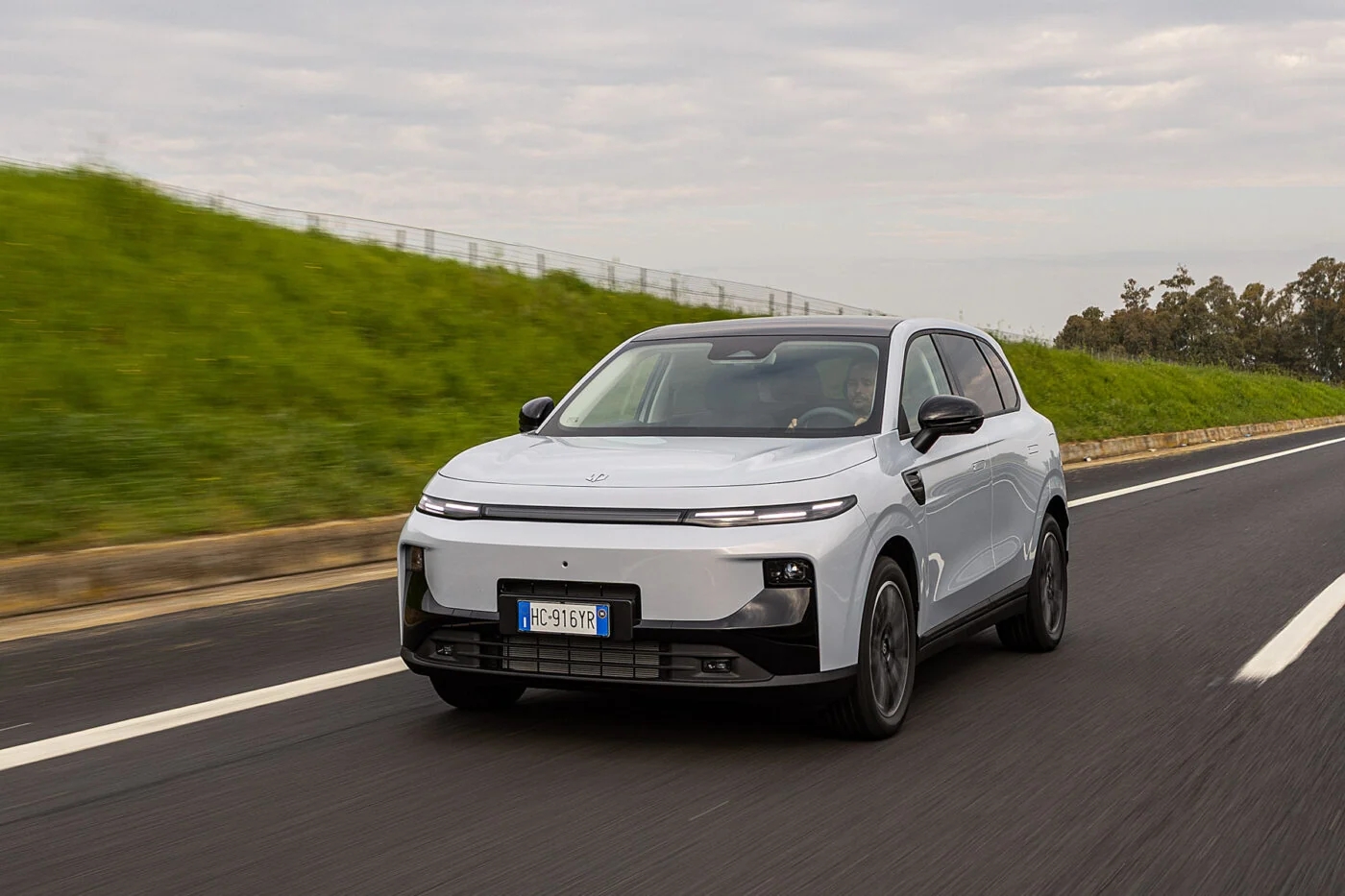
XPeng, Li Auto and AITO all plan to introduce more range-extended models in Europe, while Leapmotor has already launched the C10 and B10 EREV models in the region.
For Chinese automakers, the quotas also increase the importance of establishing local production capacity in Europe.
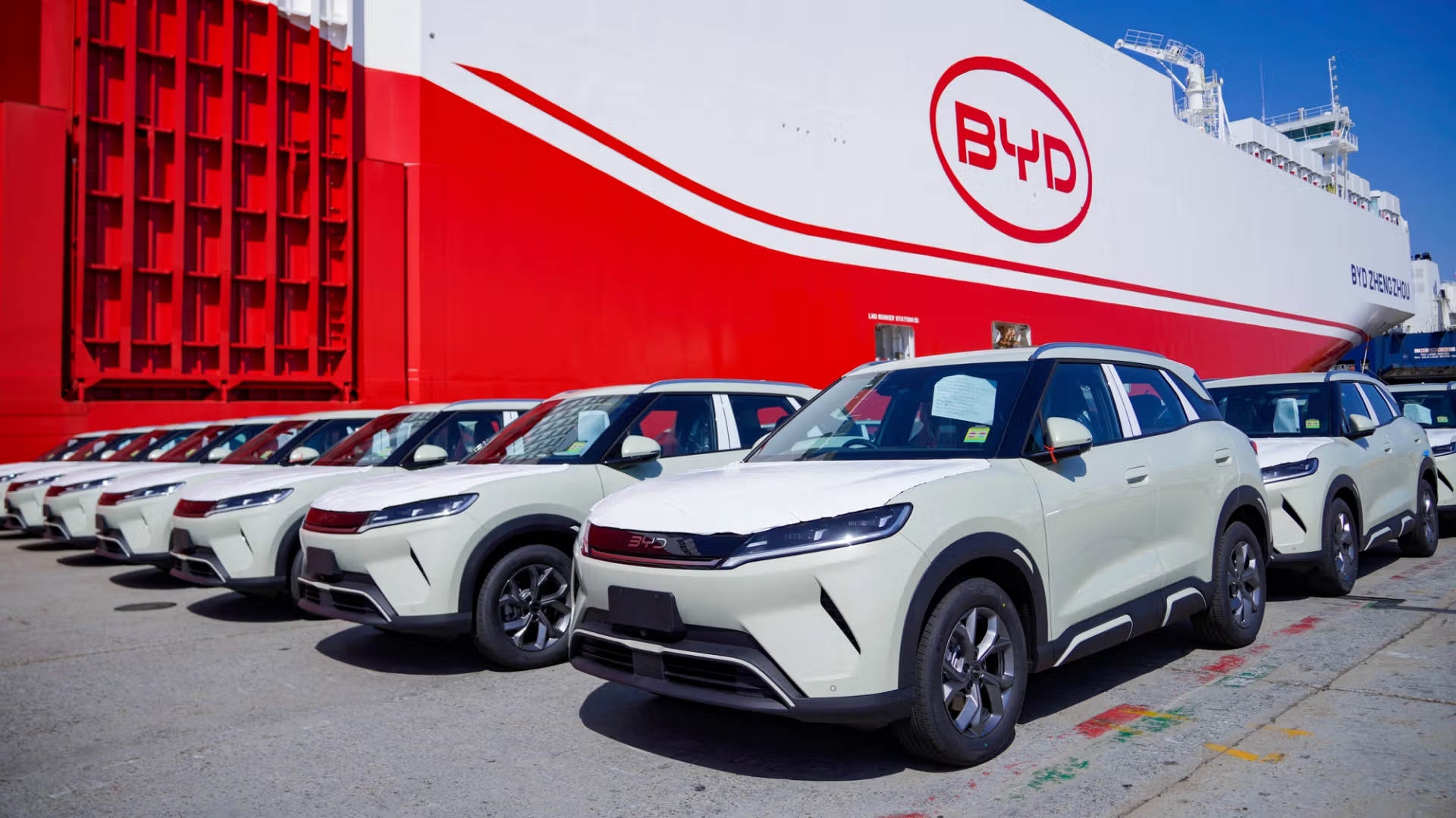
BYD is moving ahead with plans to start production at its Hungarian plant, Geely is developing a manufacturing project in Spain, and Leapmotor is pursuing local production through Stellantis’ manufacturing operations in the country.
Discover more from ChinaEVHome
Subscribe to get the latest posts sent to your email.