China’s NEV sales have ranked first globally for 10 consecutive years, growing over 8 times compared to the end of 2020.
On December 26, the Industrial Development Department of the National Development and Reform Commission (NDRC) published an article titled “Vigorously Promoting the Optimization and Upgrading of Traditional Industries.” It clearly stated that for industries dubbed the “Three New”—new energy vehicles, lithium batteries, and photovoltaics—the key lies in standardizing order and leading through innovation.
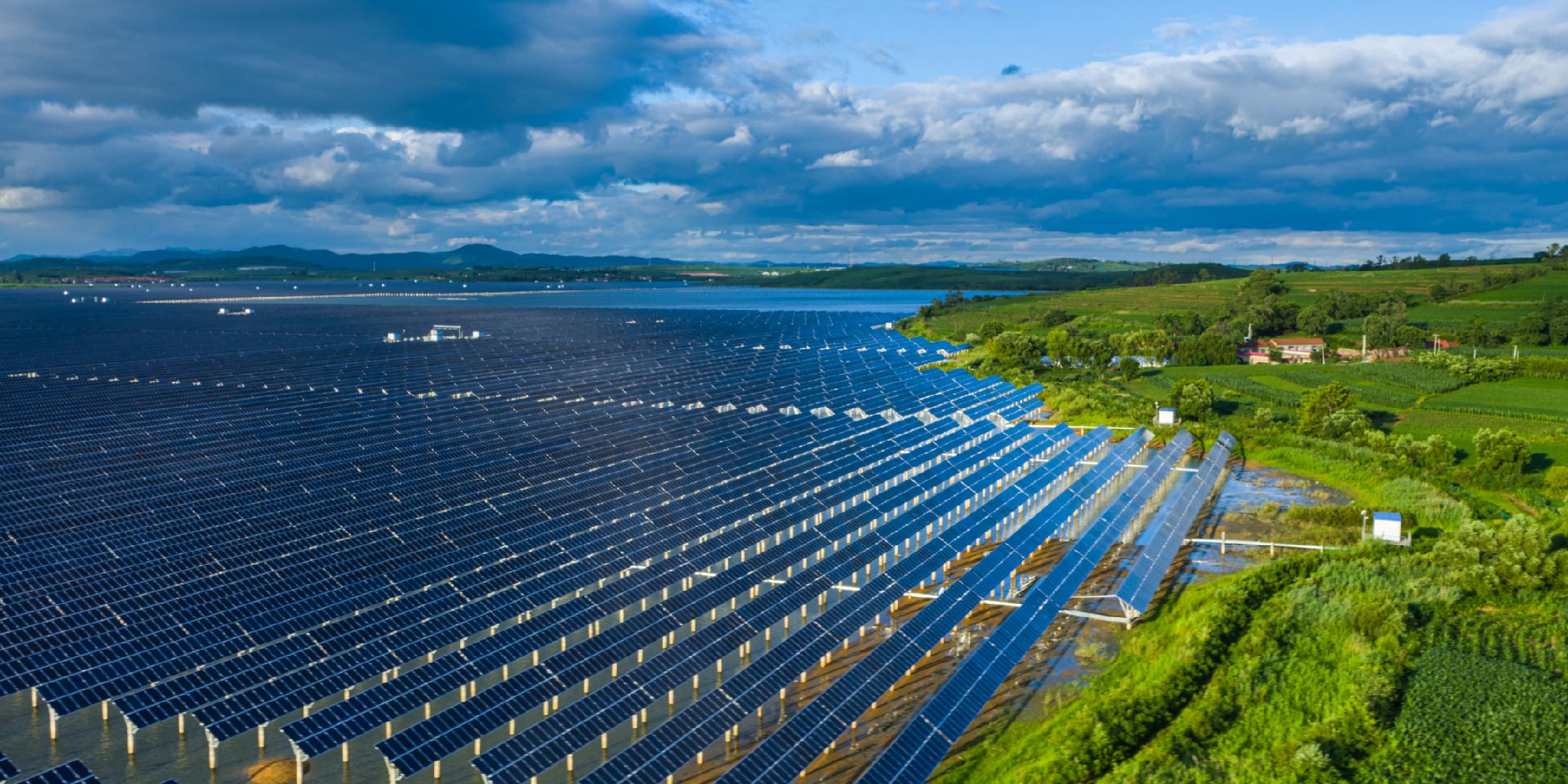
The announcement noted that during the “14th Five-Year Plan” period, China’s new energy vehicle sales have ranked first globally for 10 consecutive years, growing over 8 times compared to the end of 2020. China’s photovoltaic product output accounts for more than 90% of the global total, driving down the cost of global PV projects by over 80%.
In 2024, China’s exports of the “Three New” products—new energy vehicles, lithium batteries, and photovoltaics—increased by 2.6 times compared to 2020, accelerating the cultivation of new advantages in international competition.
The announcement places greater emphasis on optimizing and upgrading traditional industries, specifically highlighting the three sectors of new energy vehicles, lithium batteries, and photovoltaics as representative achievements of green transformation and international competitiveness.
The article pointed out that the “Three New” industries are China’s competitive sectors nurtured under intense market competition, but they also face challenges such as disordered market competition and a still-fragile core competitive edge.
To address this, the NDRC proposed a series of concrete measures: thoroughly implementing the fair competition review system, strengthening price monitoring and quality inspections, and preventing low-priced, disorderly competition.

The release of this policy signal may have a profound impact on listed automotive companies currently in a period of adjustment.
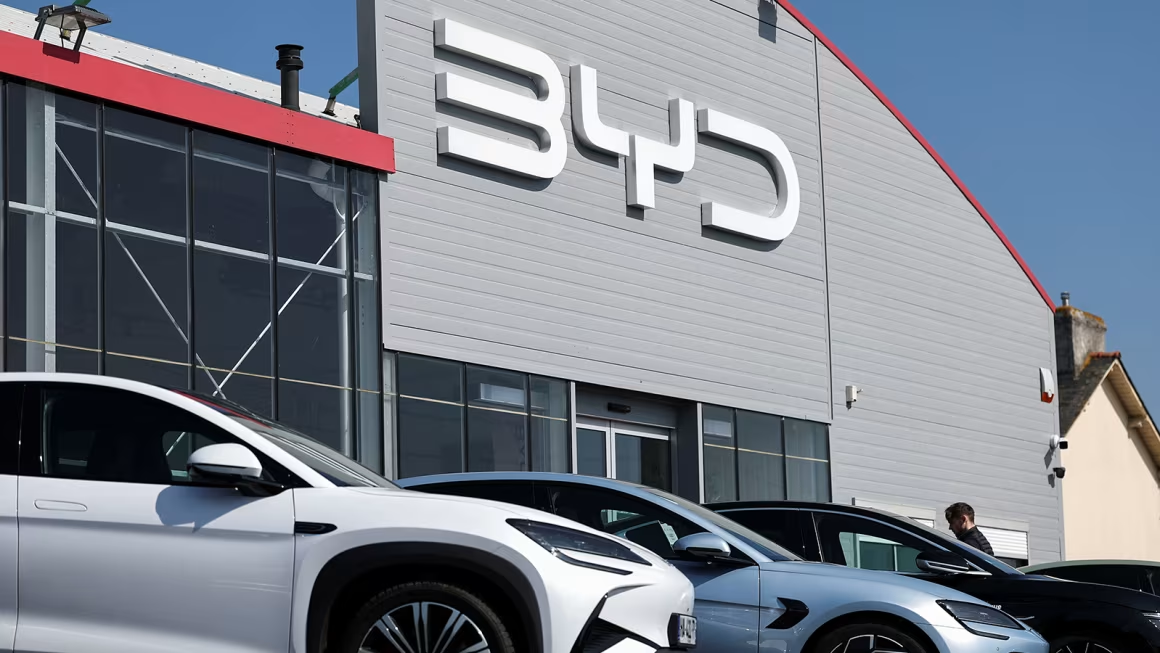
Industry analysts indicated that for leading companies like BYD and Great Wall Motors, this policy shift could lead to a change in valuation logic.
Since 2025, market concerns that price wars in the automotive industry would erode corporate profit margins have led to a downward valuation adjustment for the sector as a whole. This concern was particularly evident during the sell-off of automotive stocks in May.
With the policy now clearly oriented towards “standardizing order,” the industry’s competitive environment is expected to shift from a pure “price war” to a healthier “value war.” Leading companies, leveraging their technological accumulation, brand advantages, and economies of scale, are expected to gain more development space in a regulated market environment, enabling a recovery in profitability and an uplift in valuation.

Following the announcement, the vehicle manufacturing sector became active, with over 10 automakers’ stocks rising, including Great Wall Motors, Seres, SAIC Motor, and Changan Automobile. At the time of reporting, BYD’s A-share price was up over 5%.
Discover more from ChinaEVHome
Subscribe to get the latest posts sent to your email.