Among all brand types, new energy vehicle startups saw the largest average price decline in 2025.
Recently, Cui Dongshu, Secretary-General of the China Passenger Car Association (CPCA), released the “December 2025 Passenger Car Market Price Segment Tracking” report.
The report indicates that changes in market prices are primarily influenced by structural shifts.
Data shows that the average price of passenger cars from January to December 2025 was RMB 170,000, a decrease of RMB 14,000 compared to the 2024 average. In December alone, the average price was RMB 184,000, reflecting an increase of RMB 3,000.
In the new energy vehicle (NEV) sector, the average price of NEV models has been gradually declining recently, dropping from RMB 184,000 in 2023 to RMB 180,000 in 2024, and further to RMB 161,000 in 2025, showing a clear downward trend. In the final month of 2025, the average vehicle price reached RMB 179,000, indicating a price increase despite a decline in sales volume.

Looking specifically at energy types, the highest average prices in the car market are for range-extended electric vehicles (REEVs) and hybrid models, while the lowest are for pure electric vehicles (BEVs).
The structural reason for the average price decline in the first three quarters is the increased share of entry-level pure electric vehicles and a decreased share of higher-priced hybrids and range-extended models, creating a structural pull-down effect.

According to CPCA data, the price segment structure in the national retail market in recent years showed a continuous upward trend, with significant growth in sales of high-end new energy models and a reduction in sales of low- and mid-priced vehicles. Recently, driven by policies promoting vehicle scrappage and renewal, the low- and mid-range car market has rebounded, leading to a recovery in consumption of mid- to low-priced vehicles.
Analyzing passenger car pricing, the market share of models priced above RMB 150,000 declined in 2025. Models priced between RMB 200,000 and RMB 300,000 accounted for 18% of domestic retail sales in 2024, rising to 19% this year, showing a relative increase. In previous years, the share of models priced above RMB 300,000 across various segments continued to rise, but this trend began to decline in 2024 and continued to drop in 2025.

In the NEV sector, recent penetration rates are highest among smaller vehicles. In December, the penetration rate for micro-cars reached 100%, for A0-class compact cars it reached 82%, and for A-class cars, NEV penetration grew rapidly, reaching 43%.
The NEV penetration rate for B-class cars saw a slowdown in growth, while range-extender models showed improved performance. The NEV penetration rate for C-class cars increased significantly, highlighting the clear advantages of high-end electrification.

Domestic retail sales of pure electric NEVs continue to experience high growth, plug-in hybrids have performed notably well over the past three years, and range-extended vehicles show sustained slight growth. Sales of traditional passenger cars continue to face downward pressure.

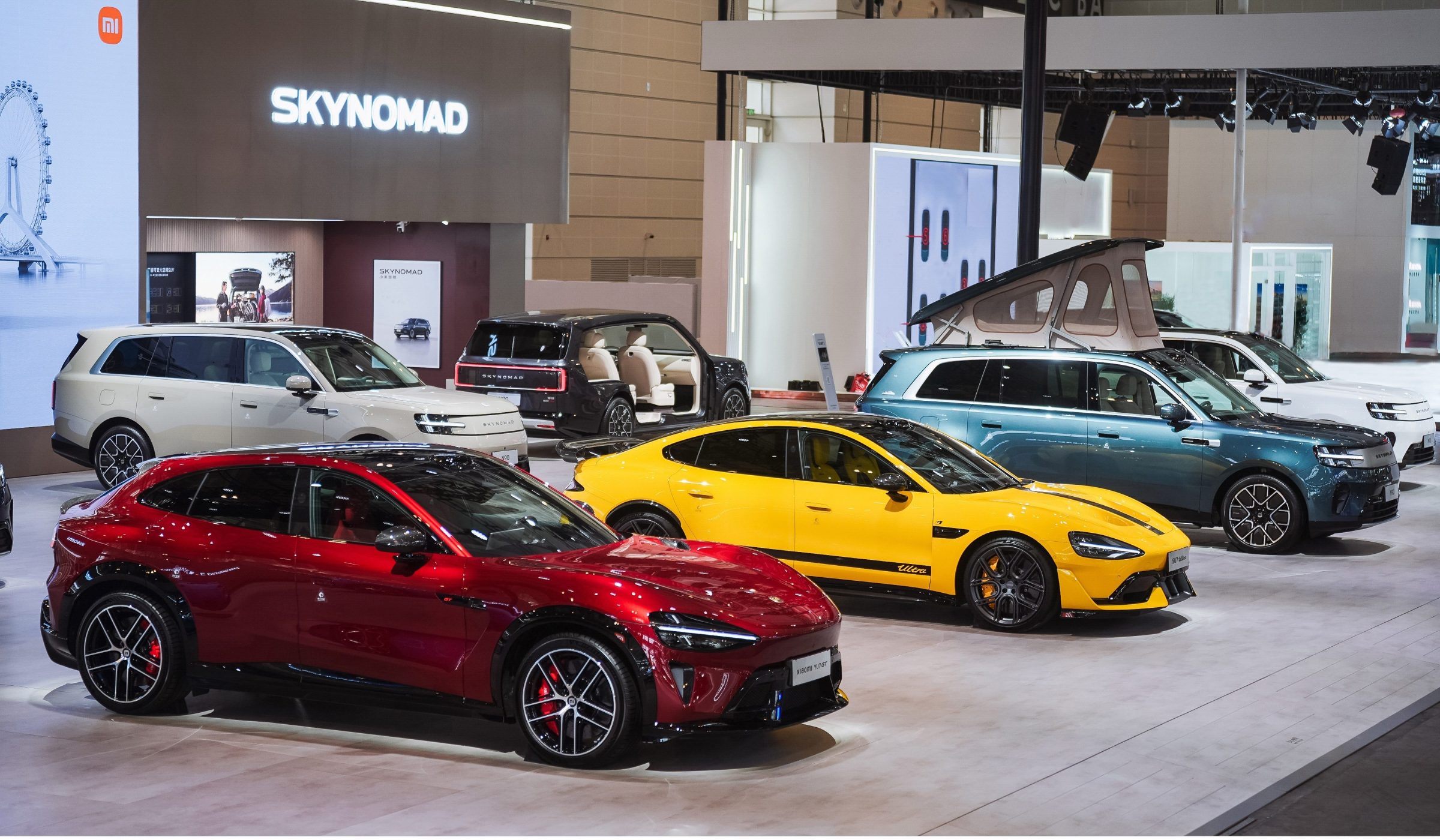
Examining changes in the average market prices across various brand types, new energy vehicle startups saw the largest decline in average price in 2025.
Among them, the average price of luxury cars was RMB 358,000, down RMB 18,000 from 2024, with a December average of RMB 358,000.
The annual average price for joint venture brands was RMB 173,000, down RMB 7,000 from 2024, with a December average of RMB 176,000.
The annual average price for new energy vehicle startups was RMB 241,000, down RMB 40,000 from 2024, with a December average of RMB 261,000.
The average price for domestic brands was RMB 122,000, down RMB 11,000 from 2024, with a December average of RMB 132,000.
Discover more from ChinaEVHome
Subscribe to get the latest posts sent to your email.