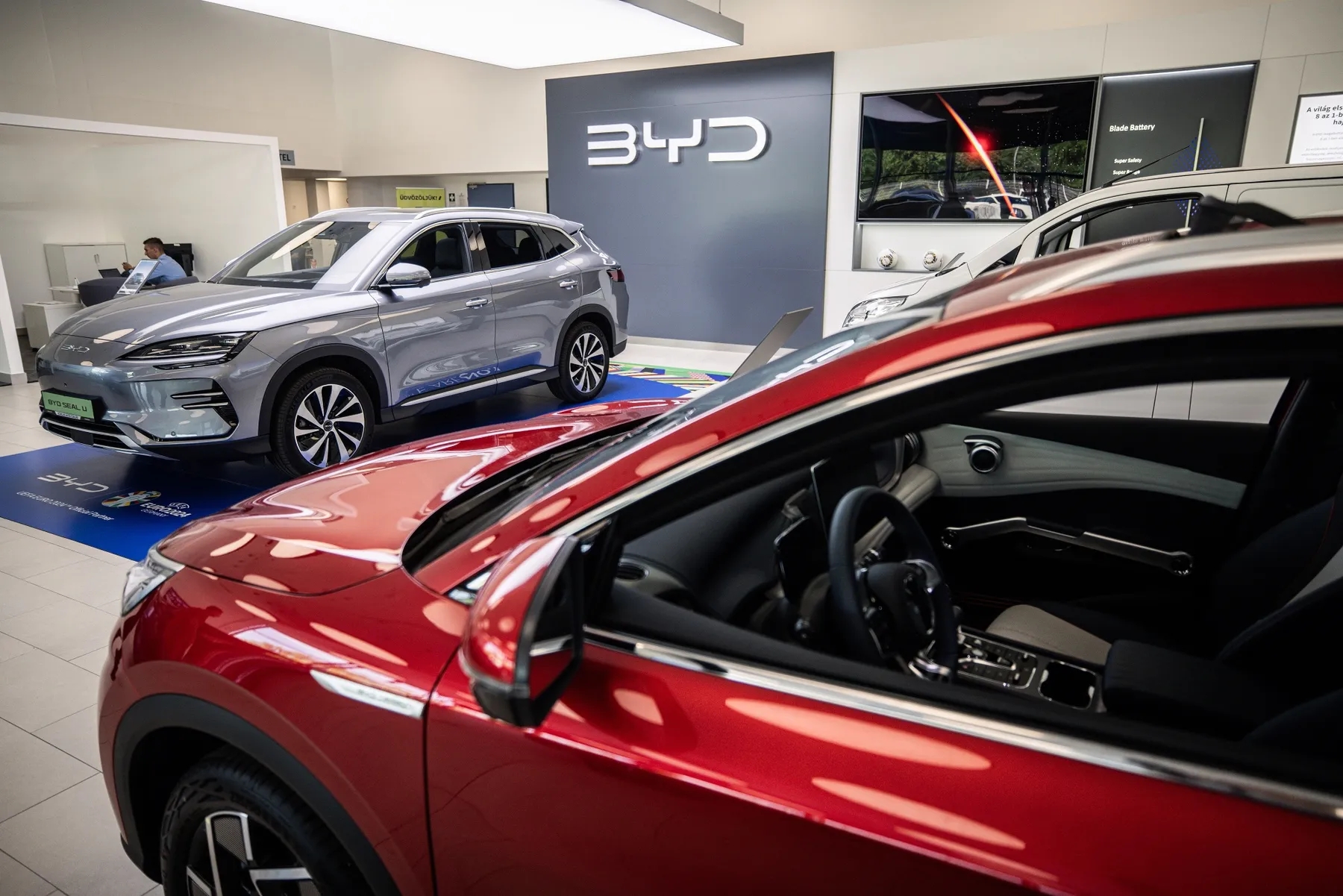
BYD sold 2,629 vehicles in Germany in Jan 2026, more than ten times the 235 units recorded a year earlier.
Germany’s Federal Motor Transport Authority (KBA) data show that newly registered passenger cars in Germany totaled 193,981 units in January 2026, down 6.6% year-on-year.
Despite pressure on the overall market, electrified vehicles continued to gain share.

Hybrid vehicle registrations reached 79,996 units, accounting for 41.2% of the market, up 3.9 percentage points.
Plug-in hybrid vehicle registrations totaled 21,790 units, representing an 11.2% share, up 23%. Battery electric vehicle registrations reached 42,692 units, accounting for 22% of the market, up 23.8%.
Combined, the three powertrain categories accounted for more than 74% of total registrations.
Against this backdrop, Chinese brands continued to strengthen their presence in Germany.
BYD sold 2,629 vehicles in January, more than ten times the 235 units recorded a year earlier. Its registrations were more than double Tesla’s January total of 1,301 units.
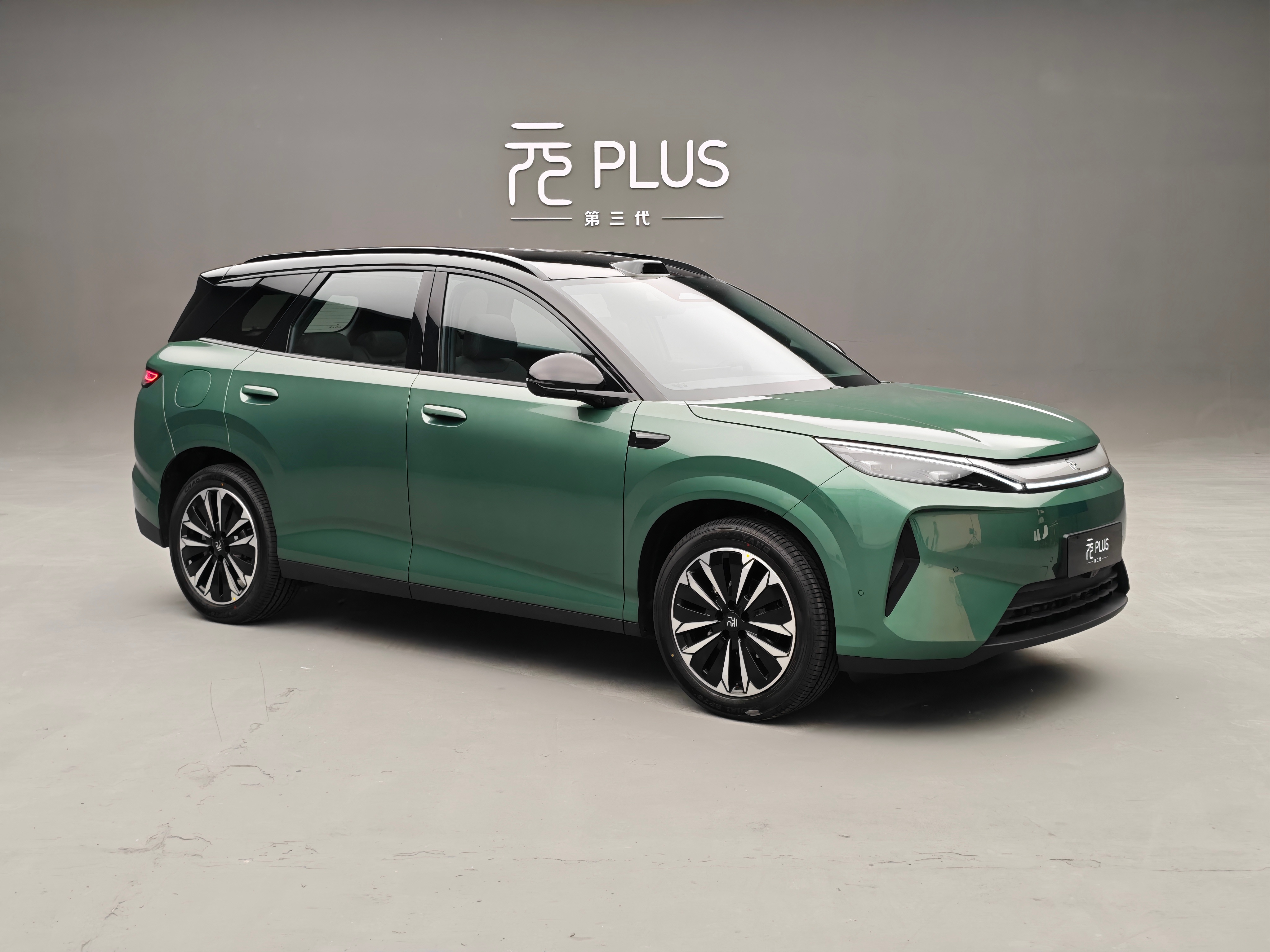
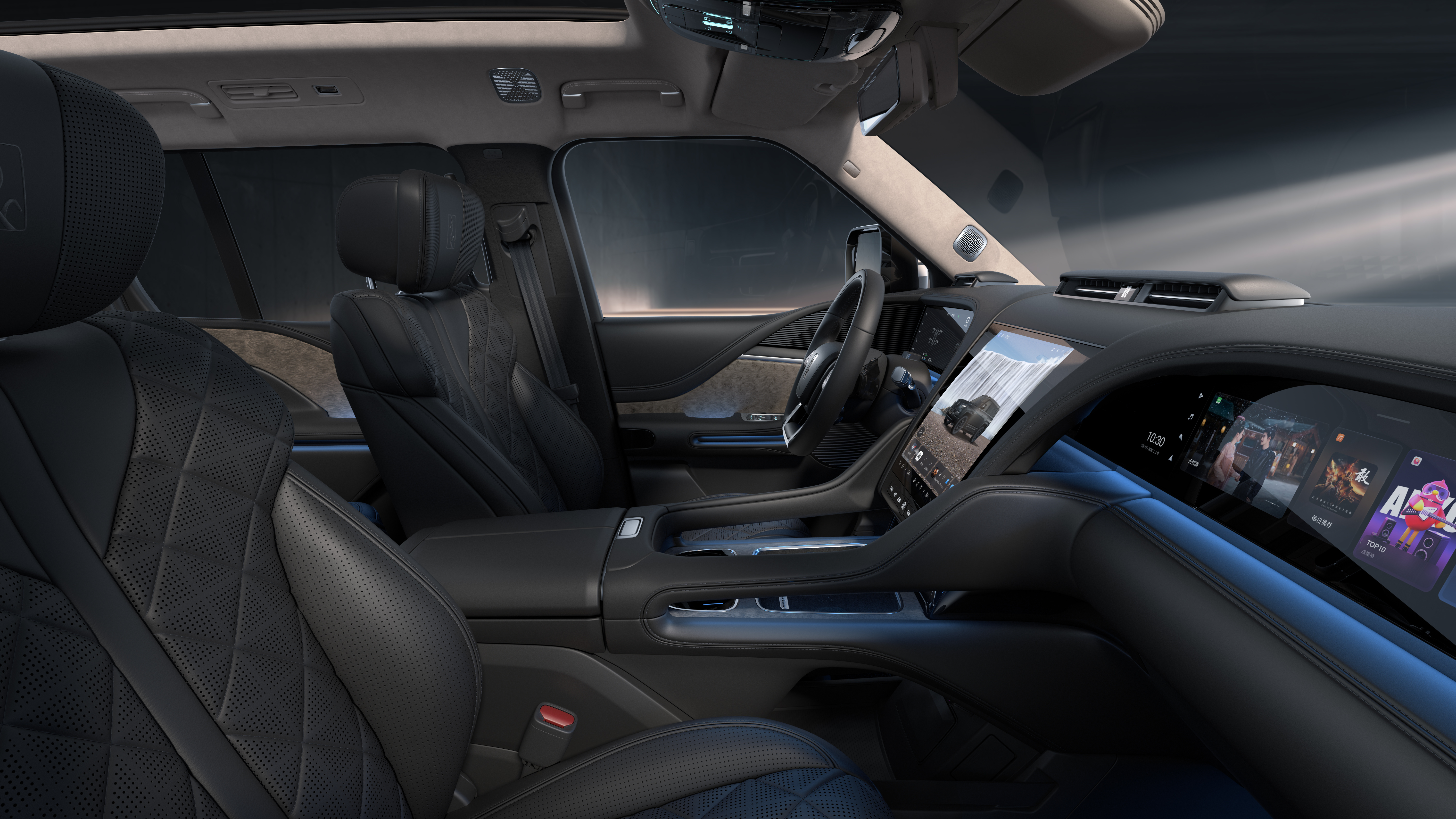
One of the core drivers of BYD’s growth has been the Seal U DM-i, known in China as the Song PLUS. The model entered the German market in 2024, with a starting price of 39,990 euros ($46,800).

Benefiting from its plug-in hybrid positioning and pricing advantage, the Seal U became Europe’s best-selling PHEV in 2025, with annual sales reaching 72,667 units.
Germany is not an isolated case. According to earlier reporting by ChinaEV Home, BYD ranked first in Australia’s EV market in January with 2,779 registrations, marking a year-on-year increase of 640.9%.
Other Chinese brands also maintained expansion momentum in Germany.
SAIC-owned MG and Roewe recorded 1,458 new registrations in January, down 11.4% year-on-year. Leapmotor sold 689 vehicles, up 344.5%, while Xpeng registered 327 units, up 247.9%.

By comparison, Tesla’s January sales in Germany rose 1.9% year-on-year, a modest increase built on a low base following a sharp decline in early 2025.
In Germany, Europe’s largest EV market, Chinese automakers are steadily expanding their footprint through a parallel strategy combining PHEV and BEV models.
Discover more from ChinaEVHome
Subscribe to get the latest posts sent to your email.